International Trade Fairs of Yazd

International Trade Fairs of Yazd

Project Info
Year:2021
Client:Yazd International Trade Fair Company
Location:Yazd, Iran
Status:Ongoing
Program:New Developments

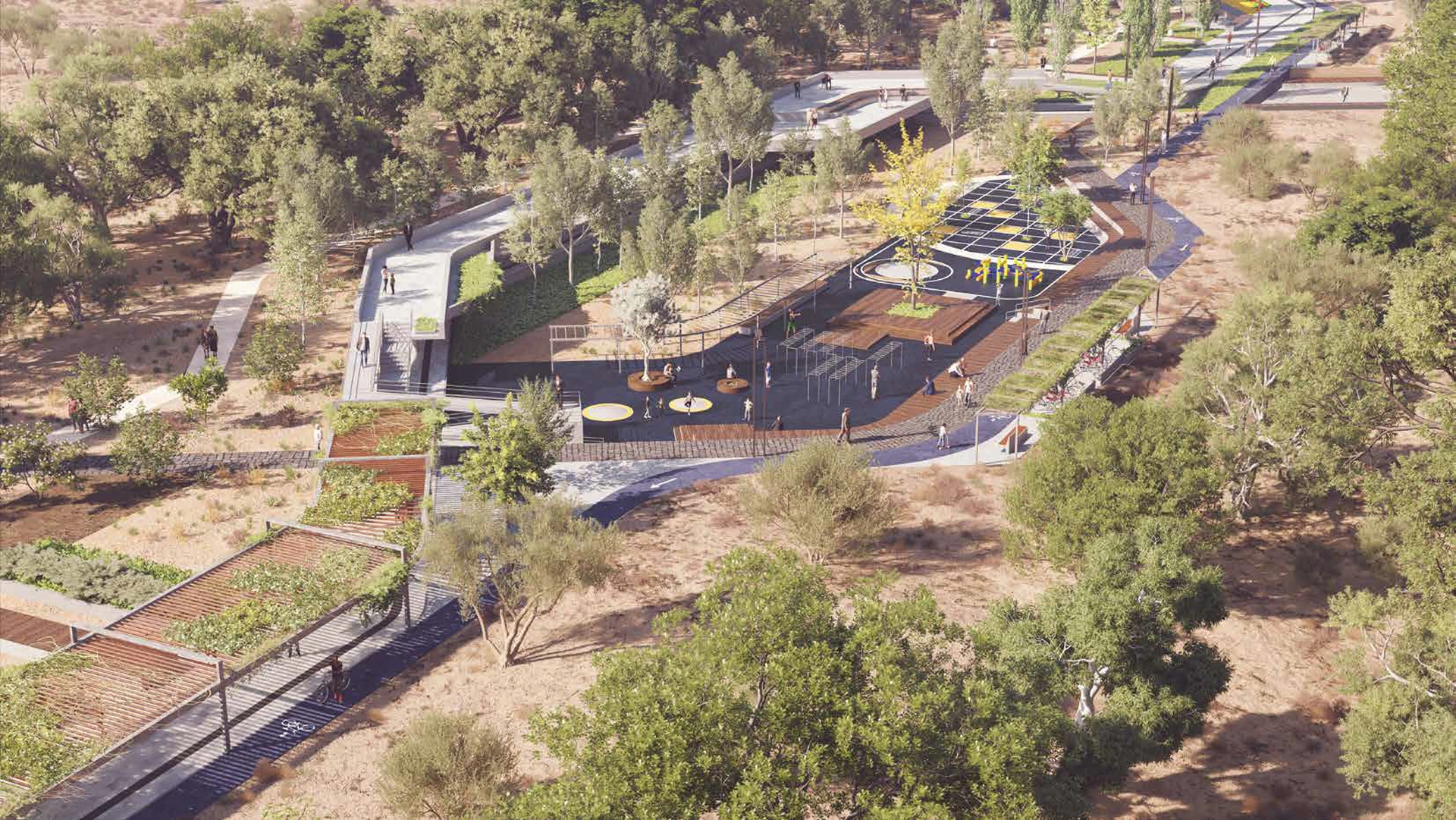
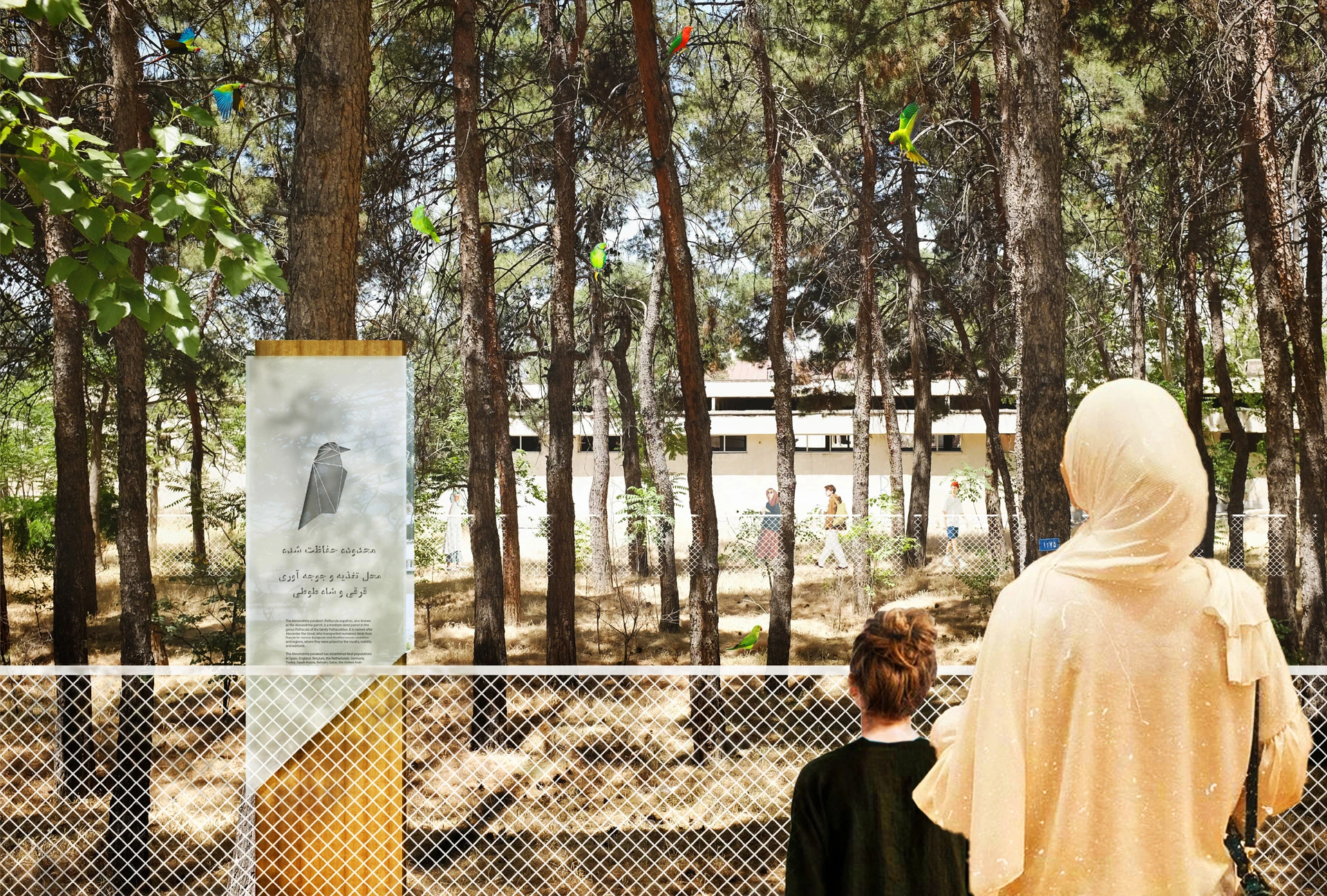
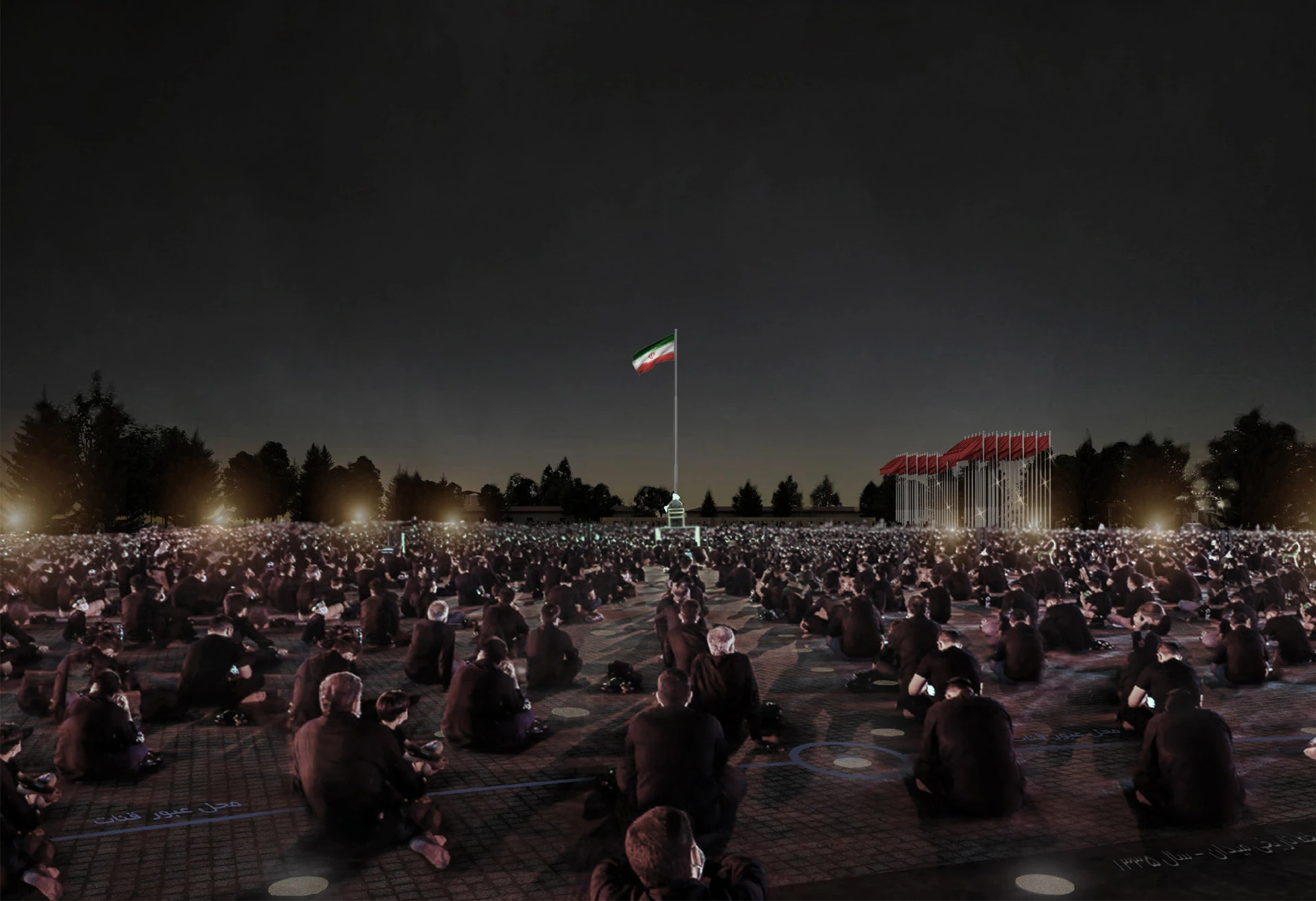
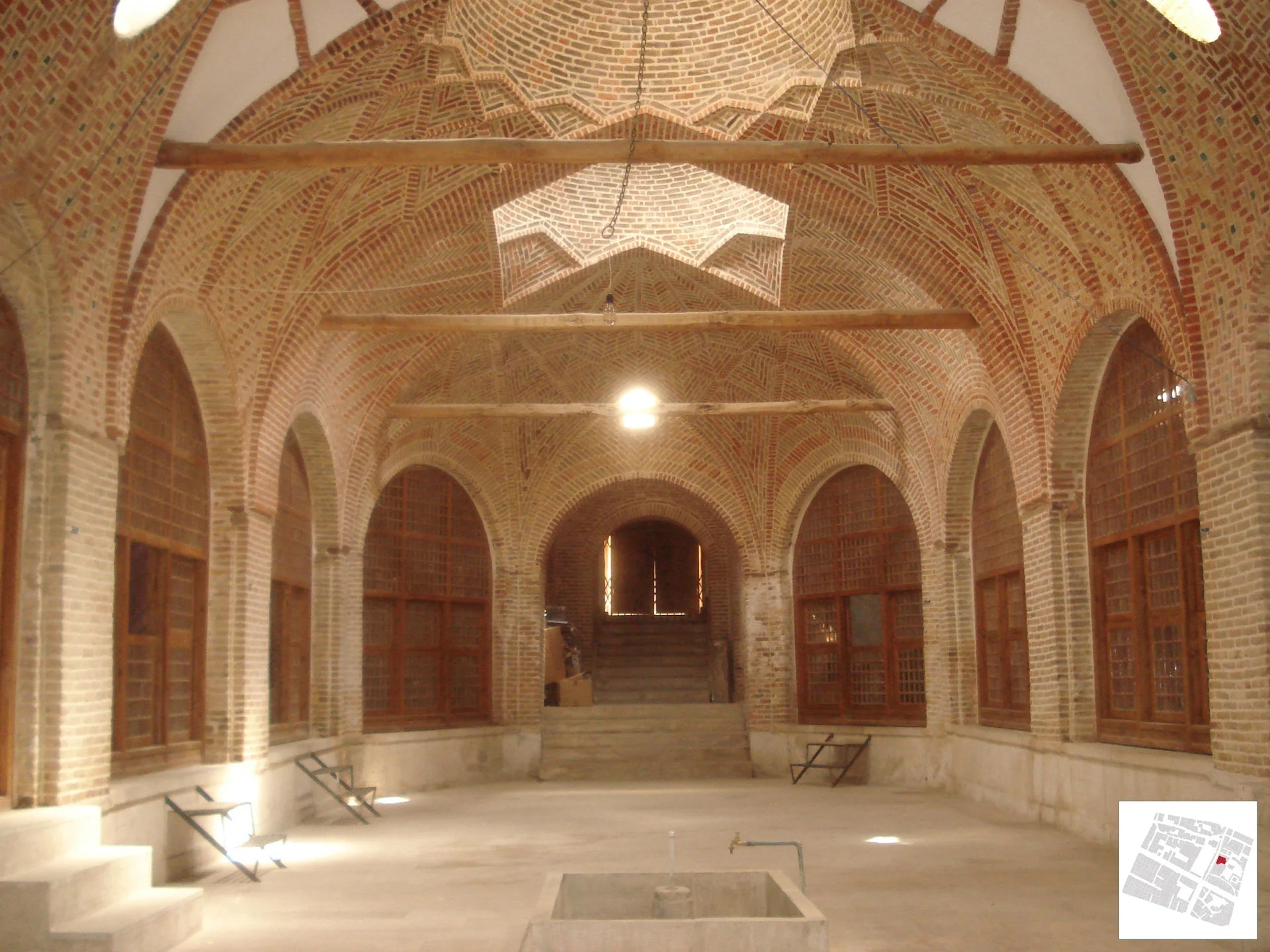
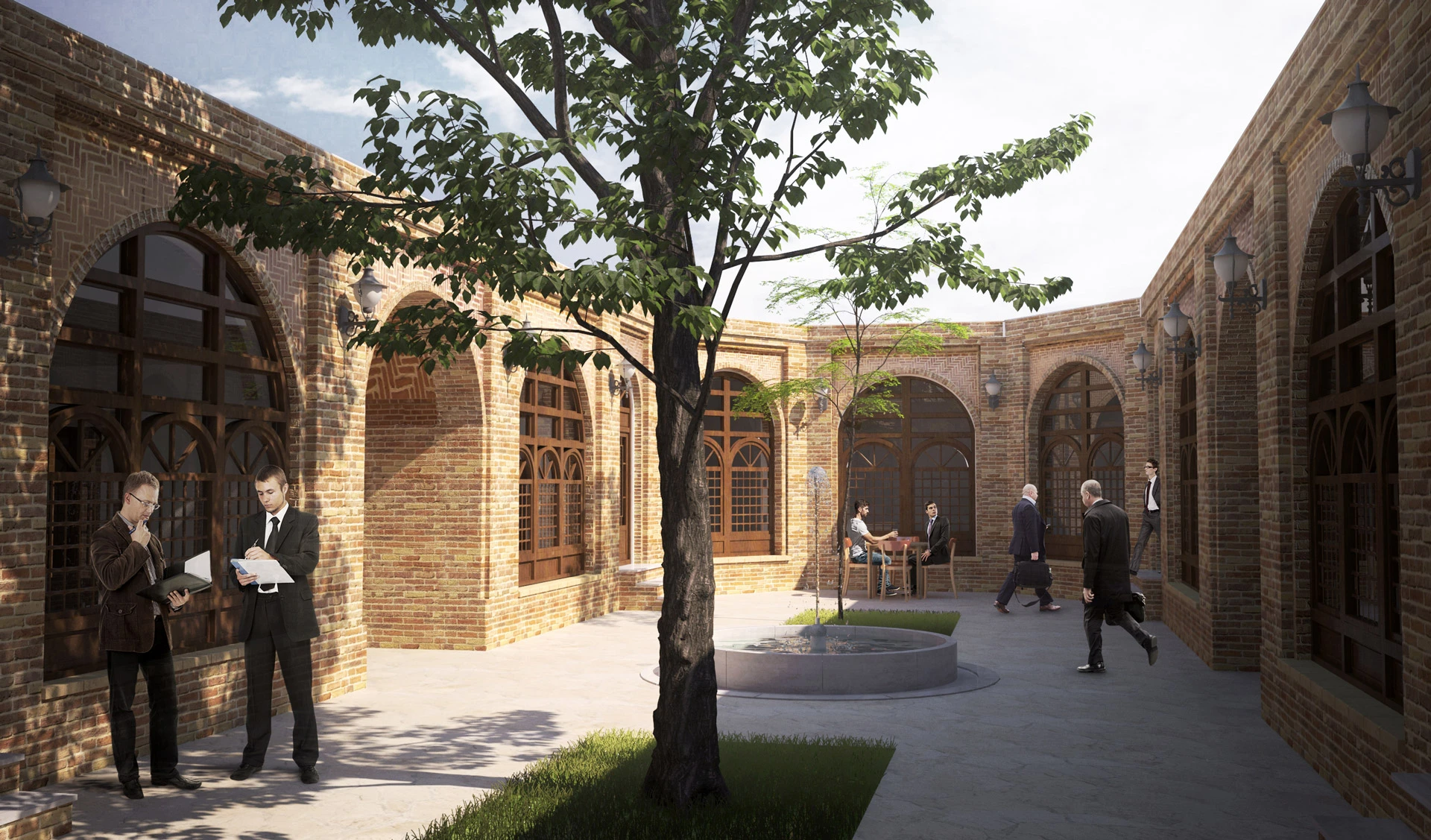
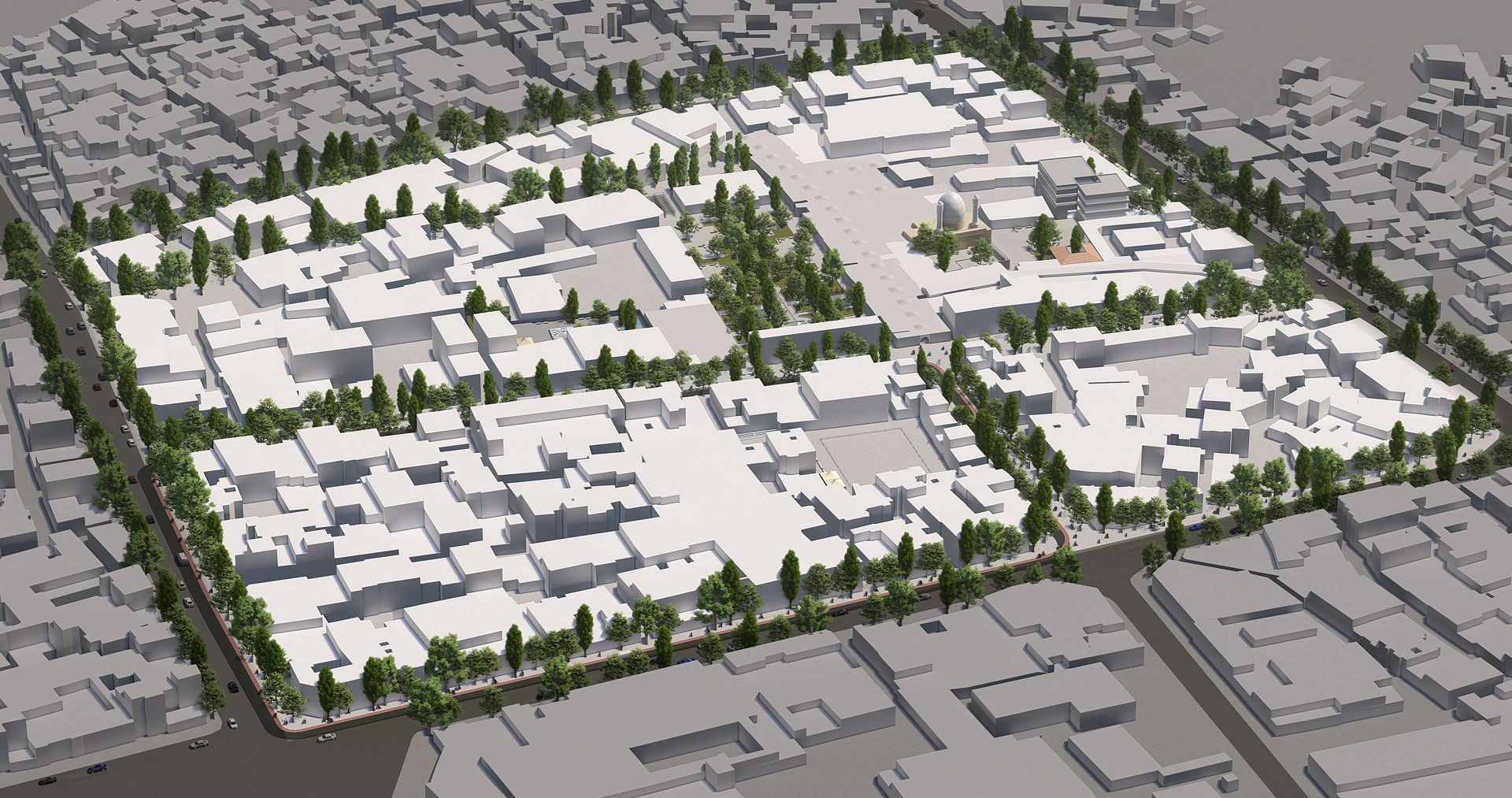
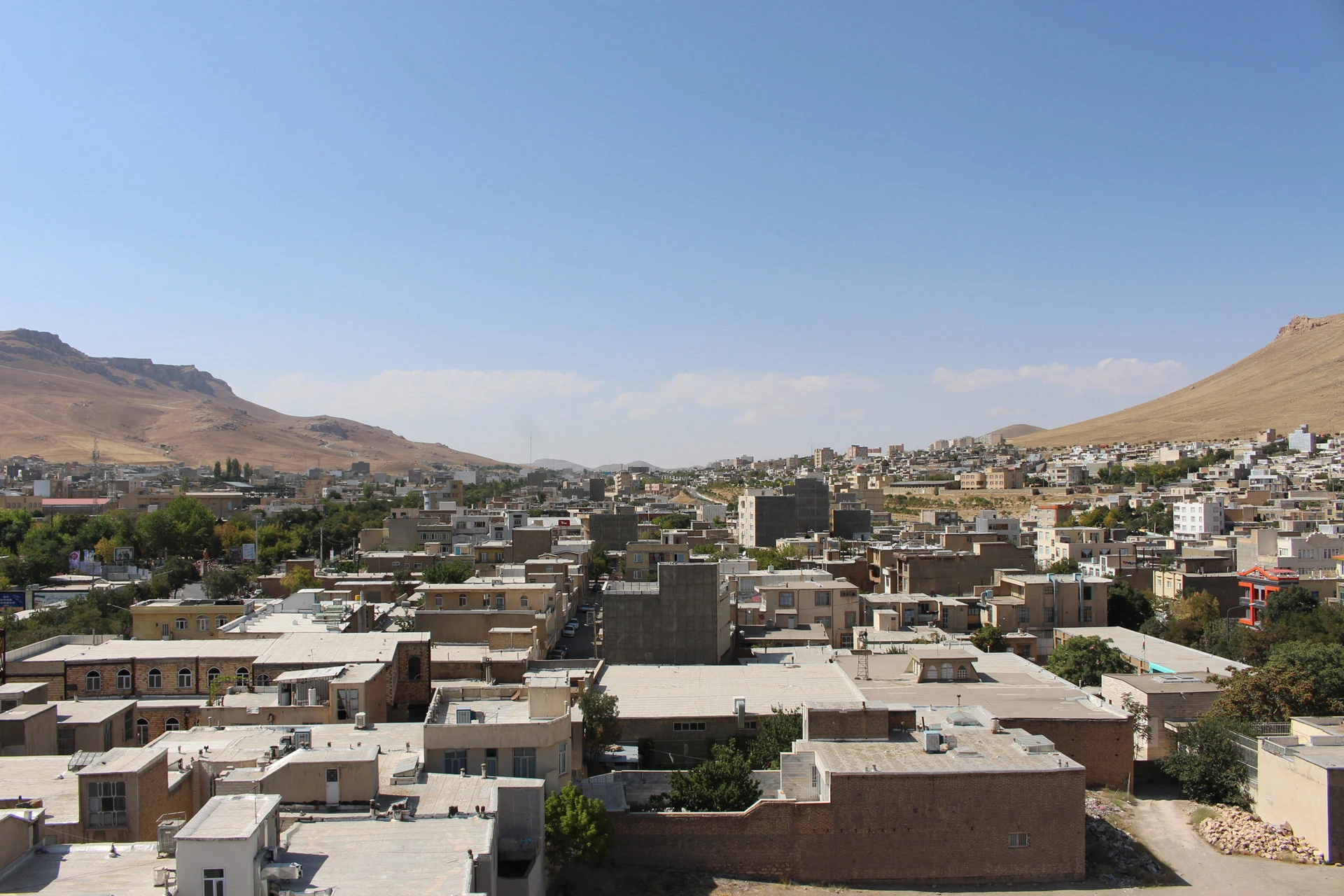
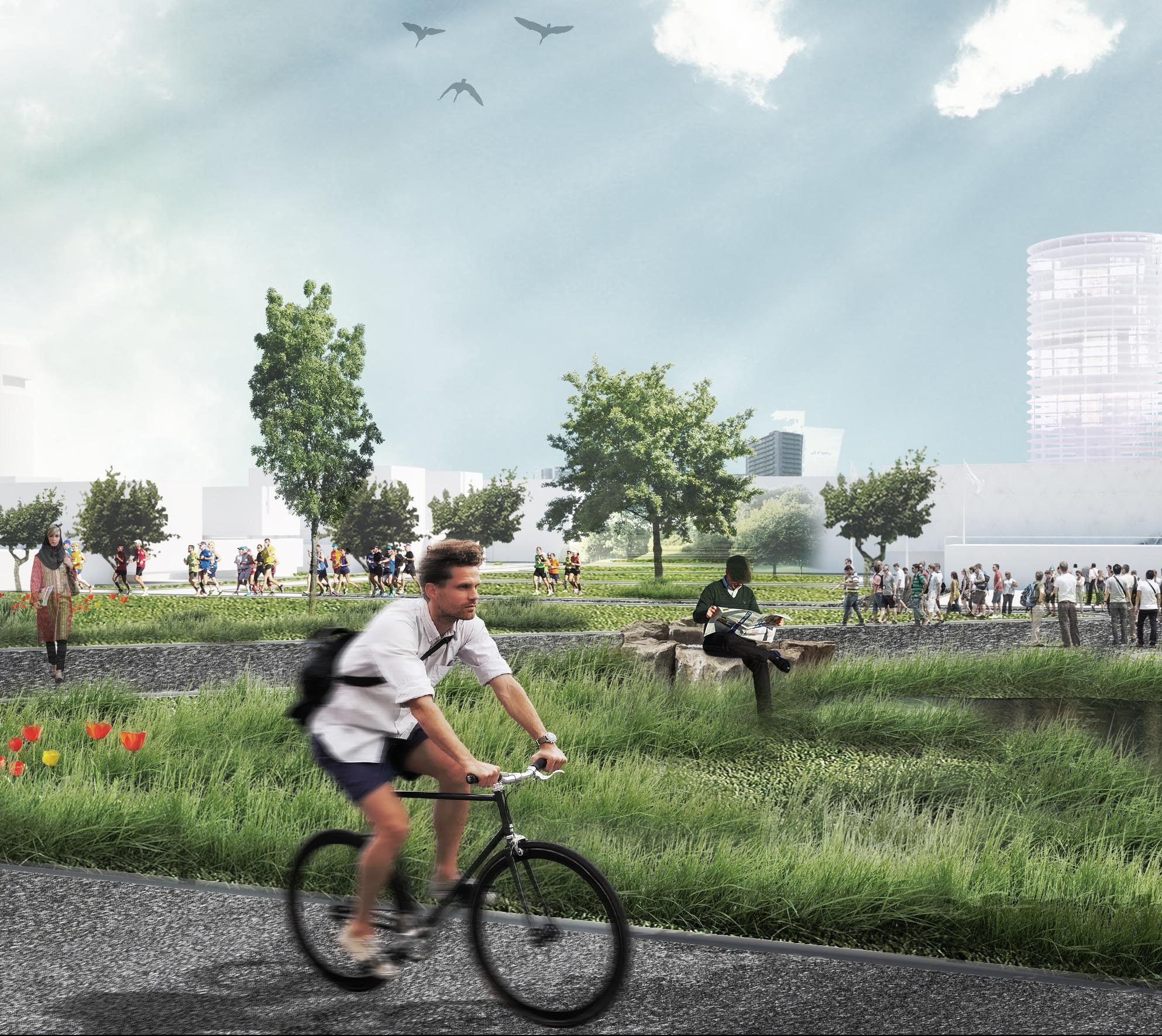
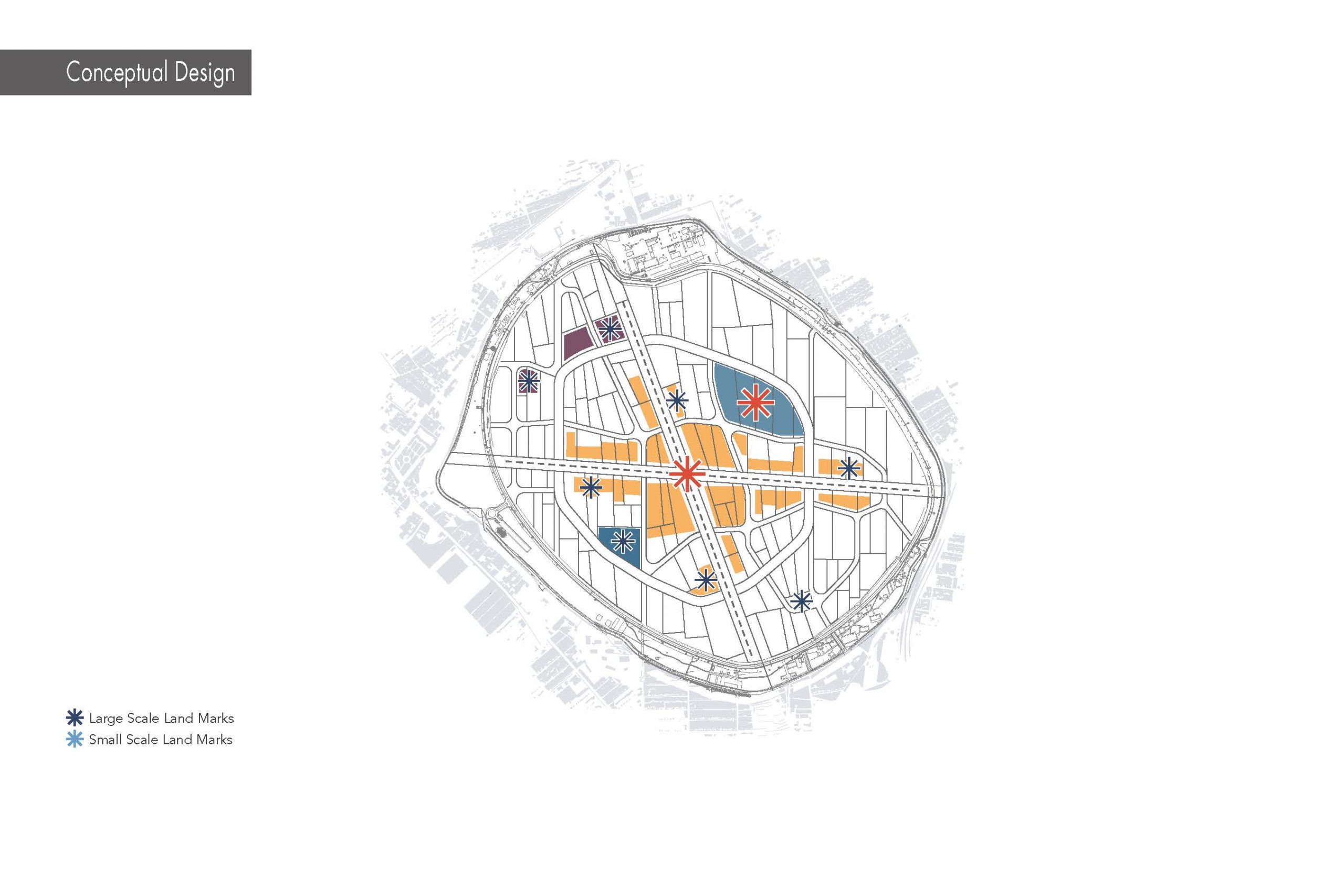
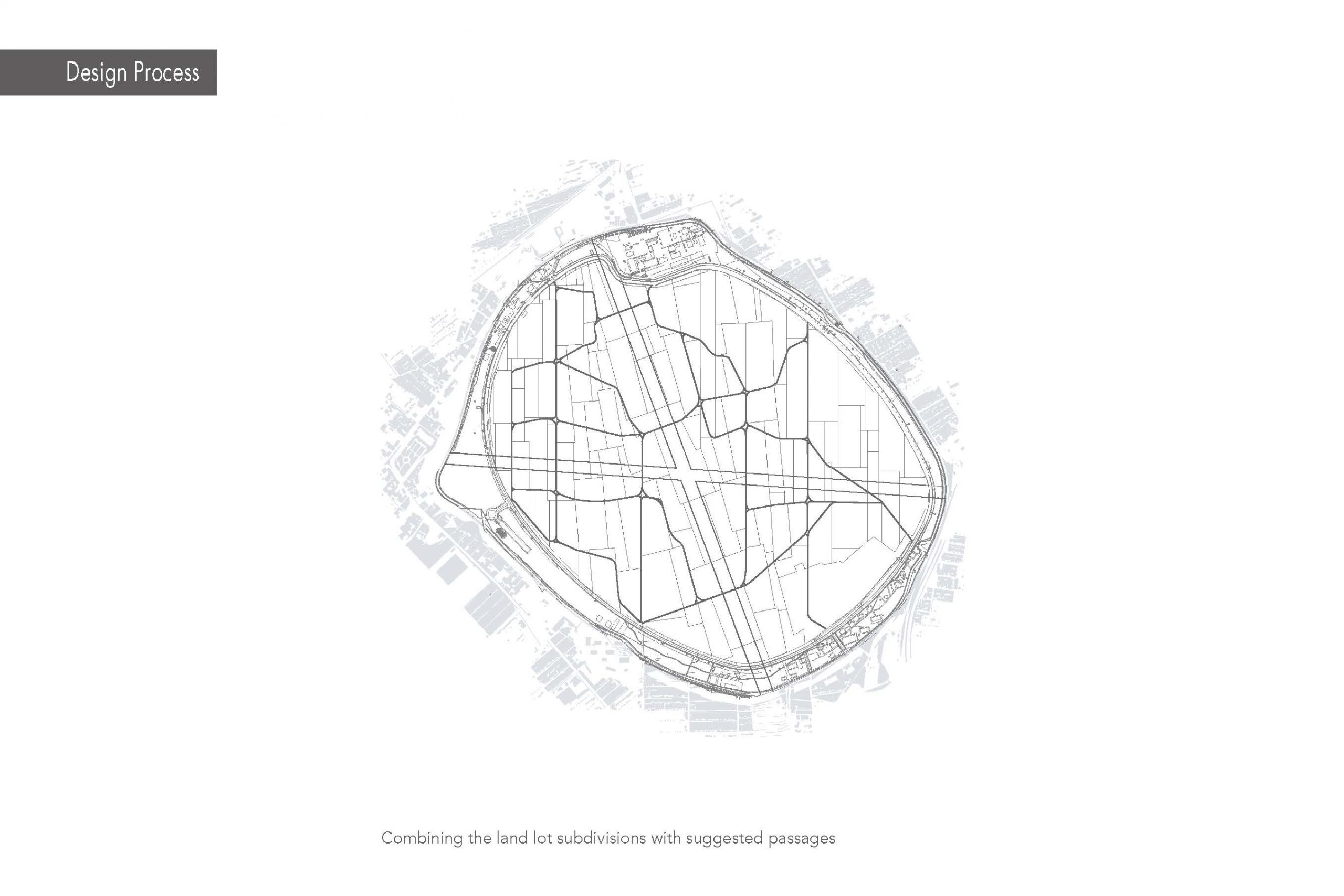
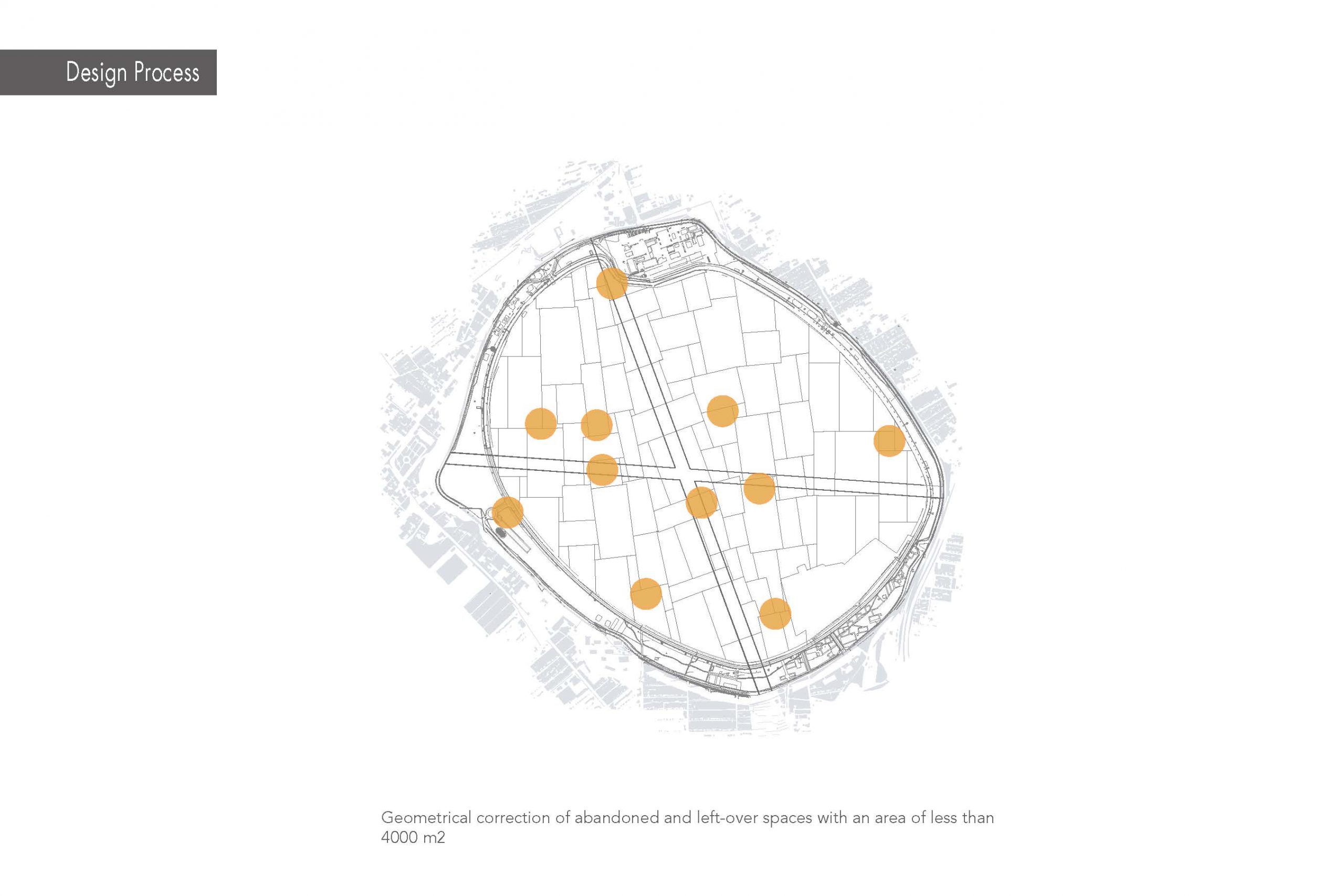
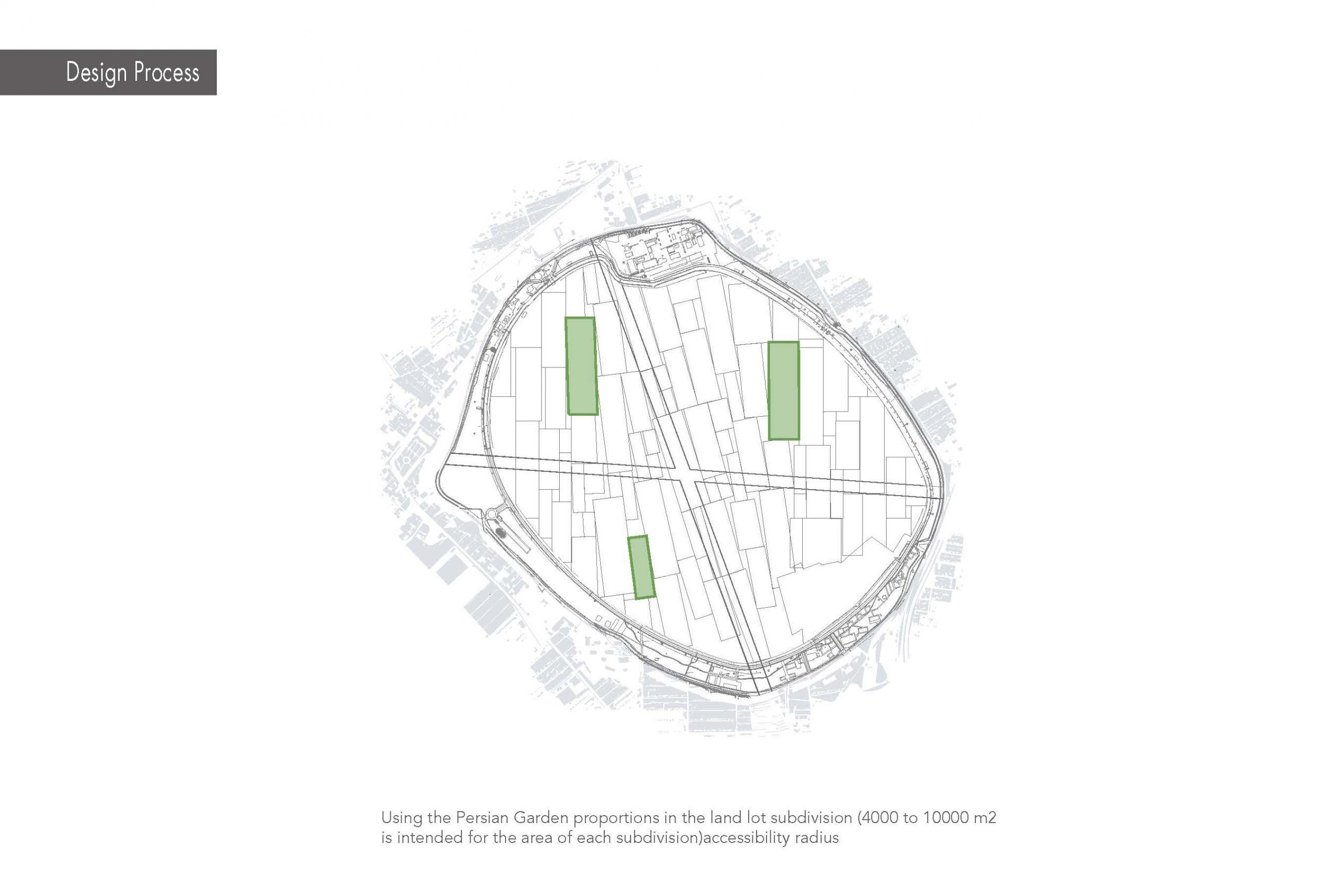
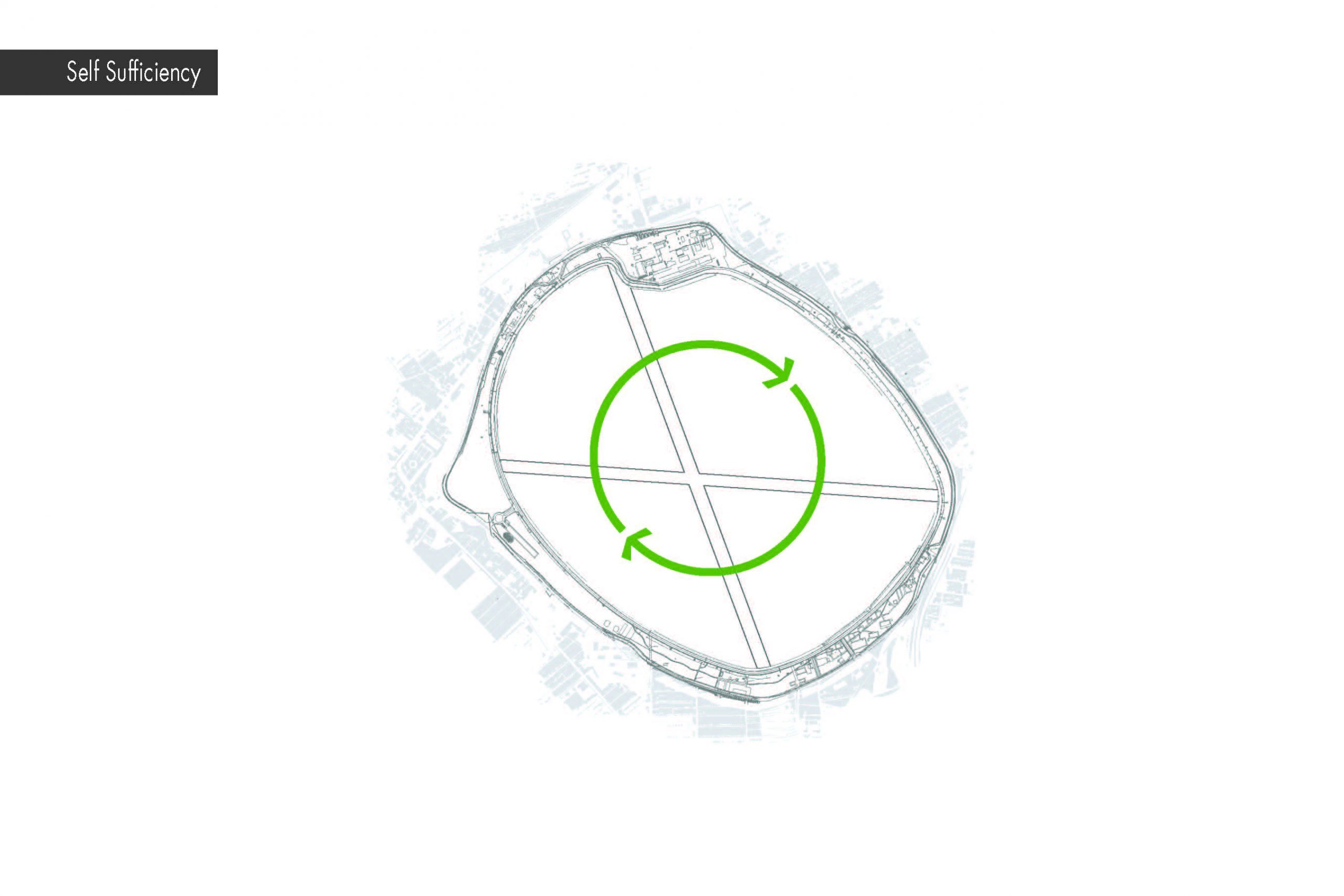
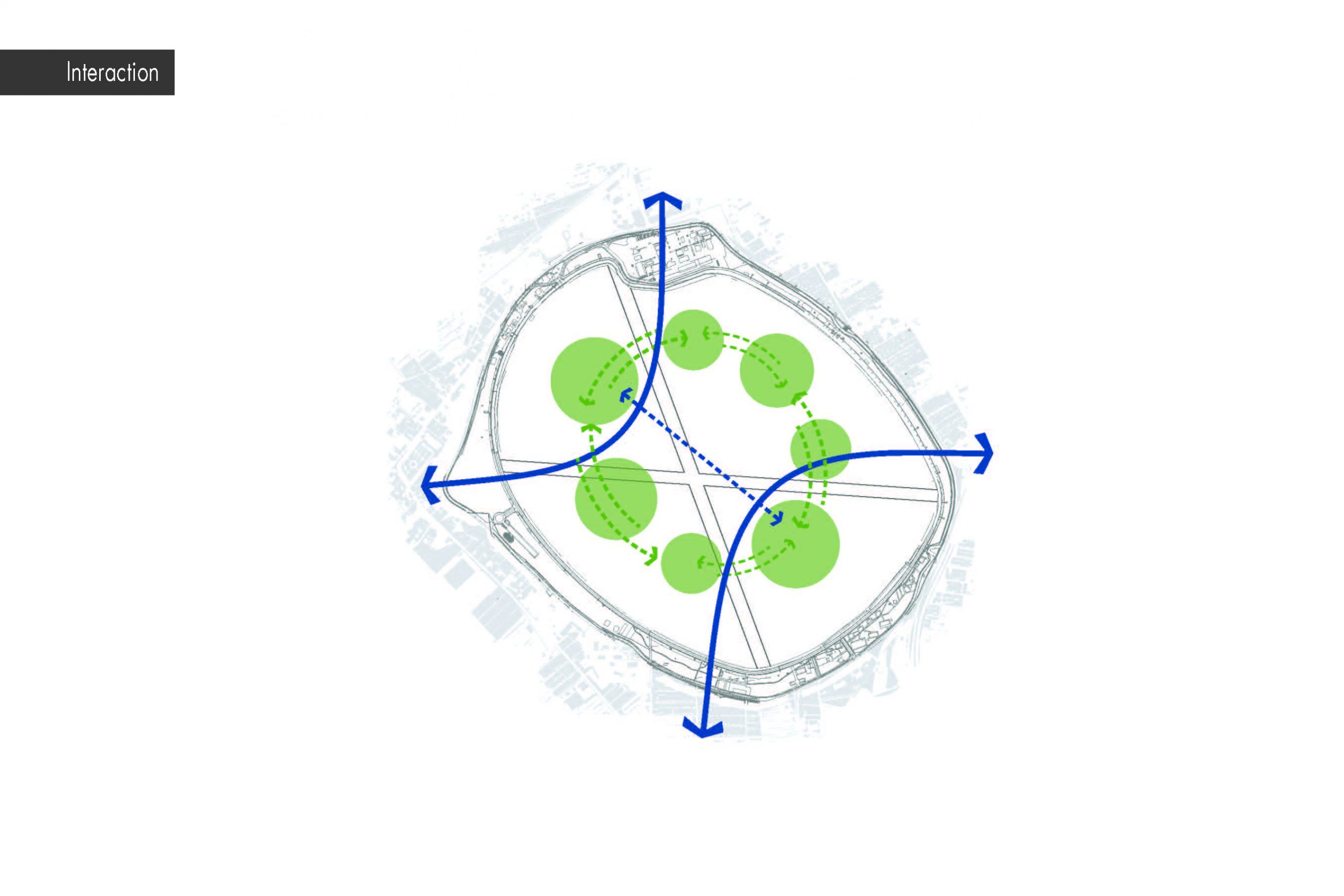
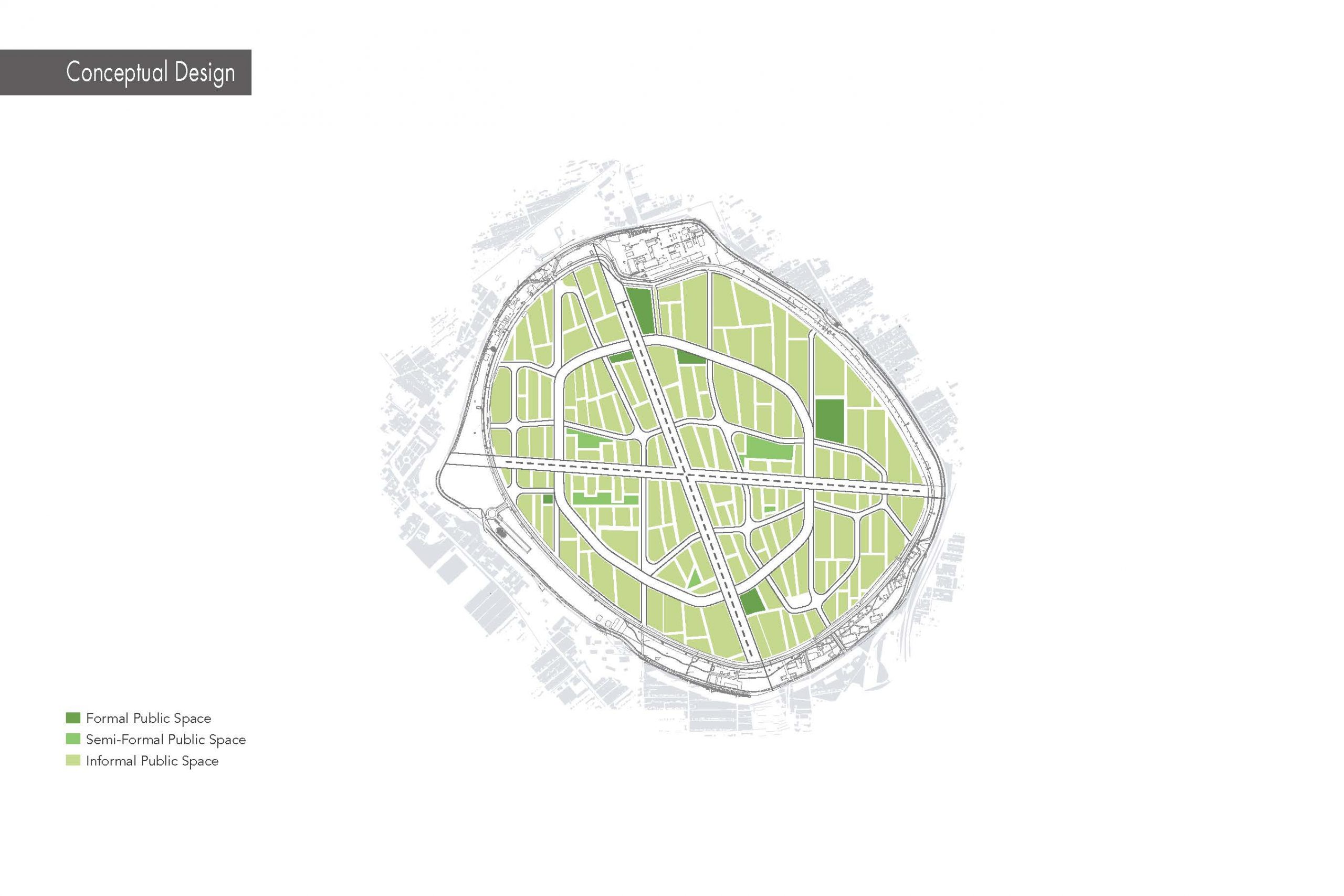
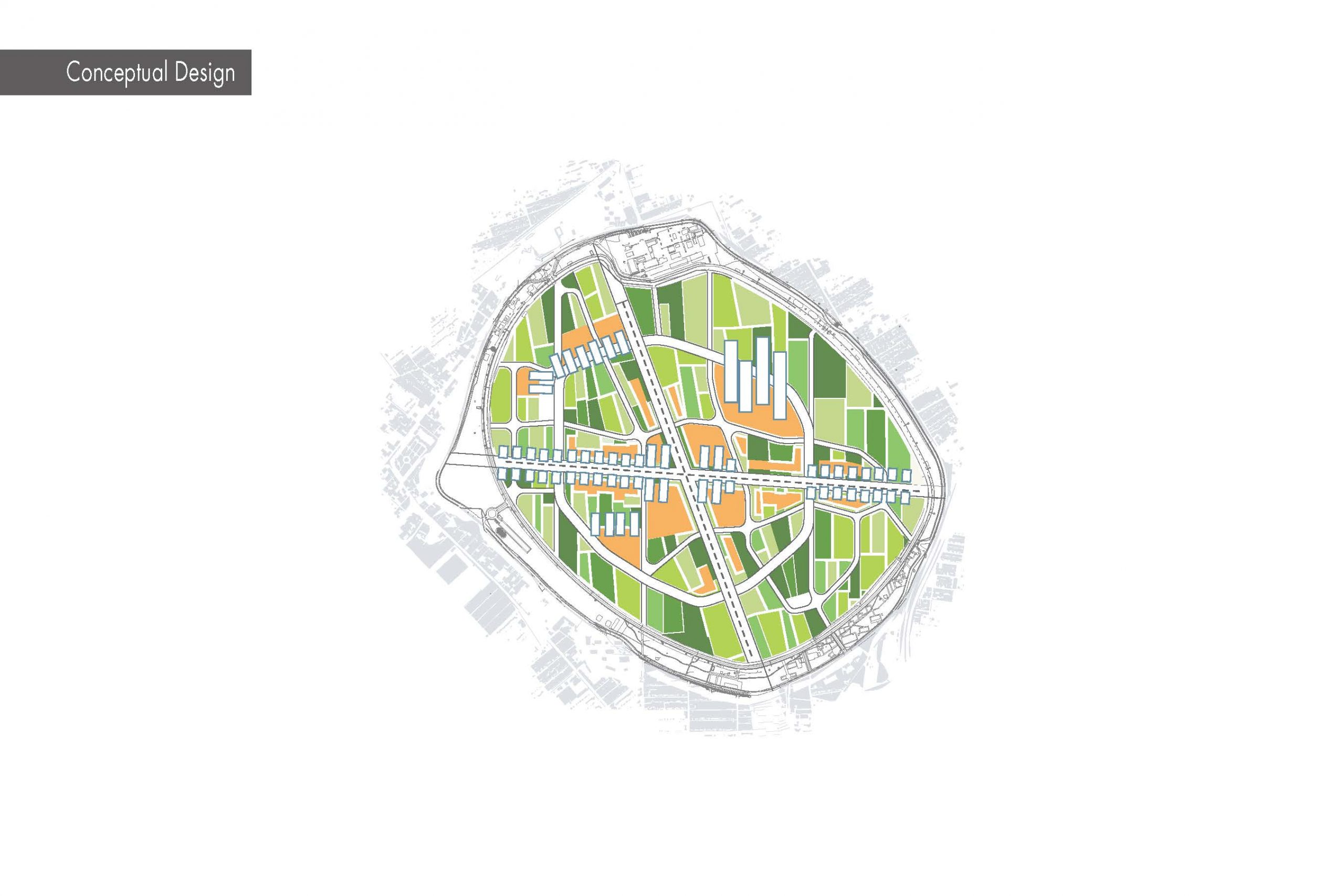
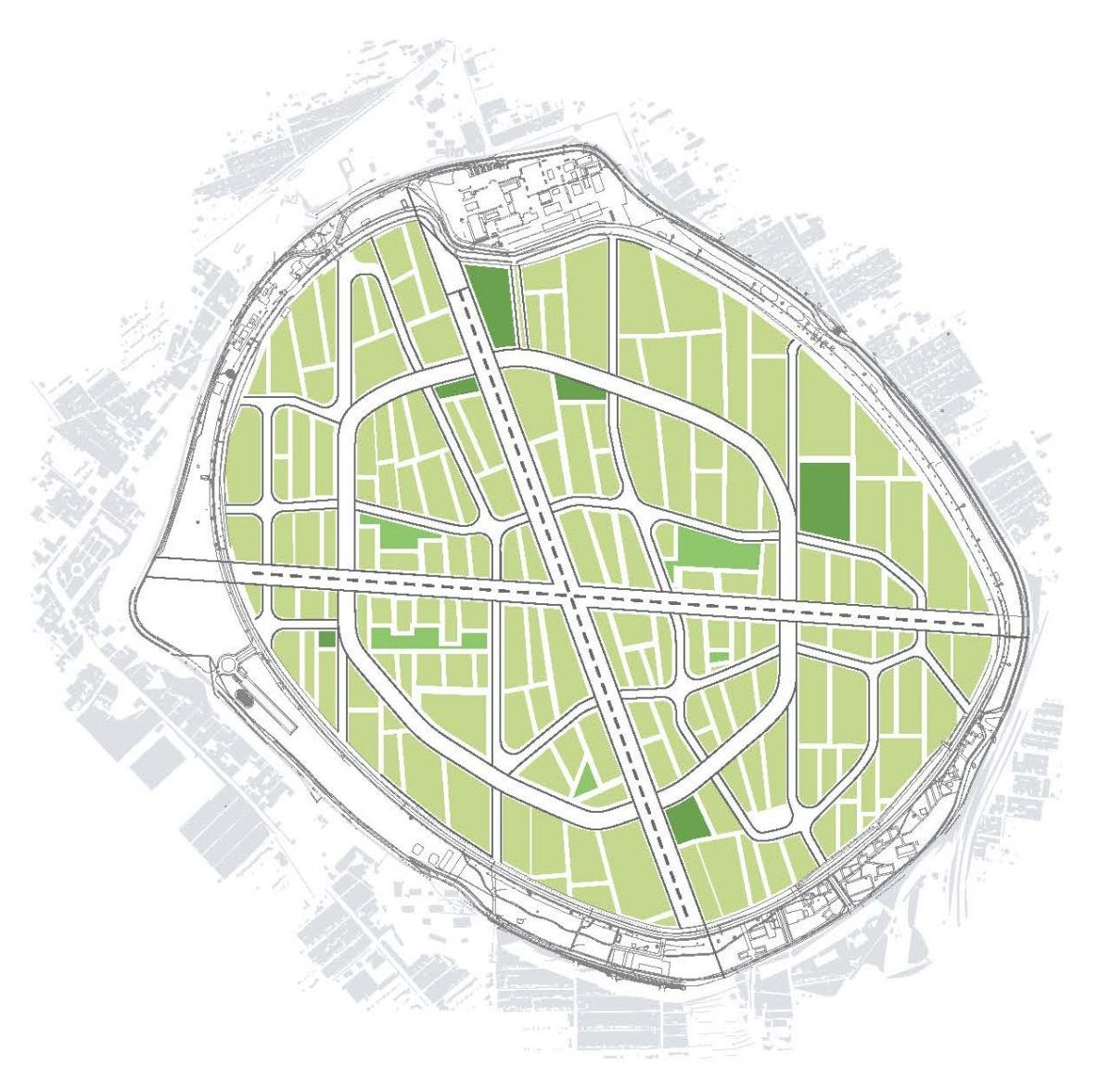
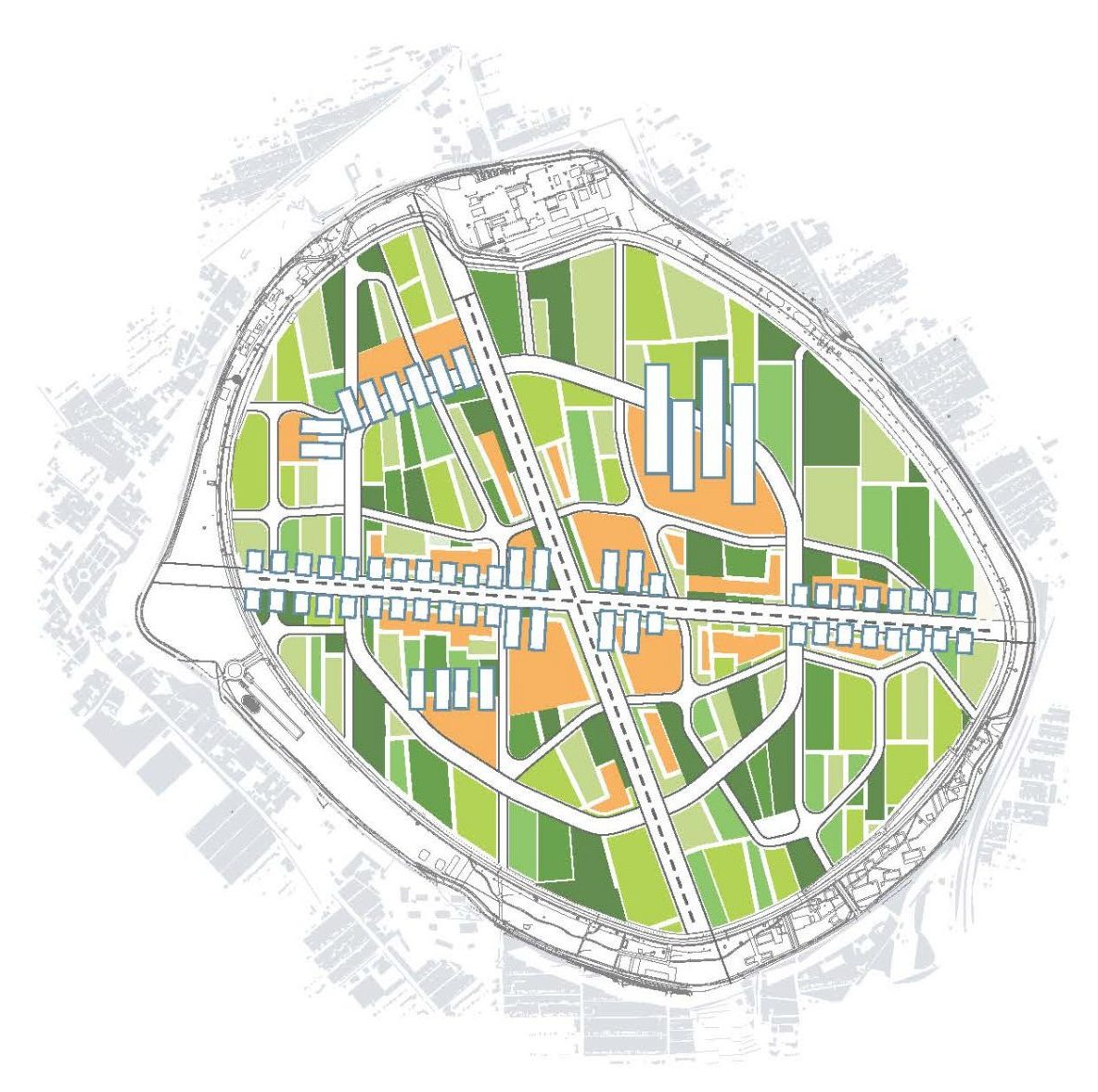
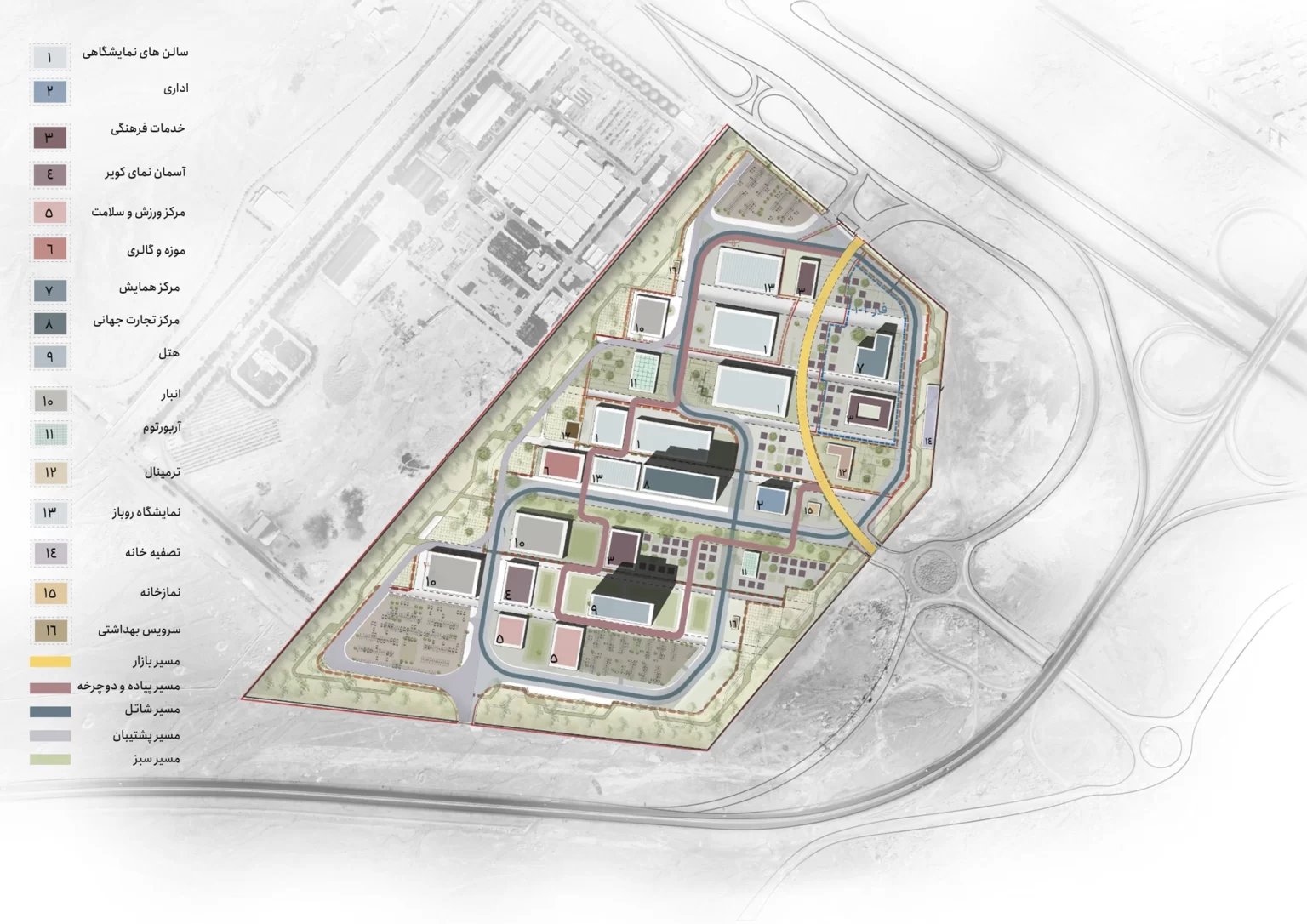
Yazd International Trade Fair plan’s main task is the large-scale (56 ha) vacant site development, located in the south of the historical city’s limits of Yazd. Our mission in this project was to prepare a Strategic Plan bringing feasibility and conception into focus; A Spatial Masterplan and a Landscape Plan for main open and public spaces with the image of a new and contemporary business district for Yazd, devoted to Trade Exhibitions and Cultural Events. Considering the nature of Exhibitions as a meeting point for exchange and interaction both at specialized levels and in general sectors, and relying on the capacities and facilities within the city, this development would certainly act as a stimulus for the growth of activities and infrastructures by increasing the demand for them, especially those that have a compatible or complementary nature to the exhibition activities.
Design values followed in Master planning process are to maintain social continuity and cohesion and effective communication with the local community, aiming for a balanced and asset-based economic growth both for the YITF Co. and the surrounding urban area, and create an authentic and appropriate identity in dialogue with the historical city of Yazd. Full respect and taking measures to maintain the ecosystem’s sustainability and trying to reach compatibility with natural processes are also the main underlying values framing the strategies and actions.
The YITF development plan focuses on the two key elements: A business model in order to lead through in Trade Fair business; and spatial development of the site to prepare a platform for the business as well as creating added value on the site as a competitive advantage in holding commercial, cultural and tourism events.
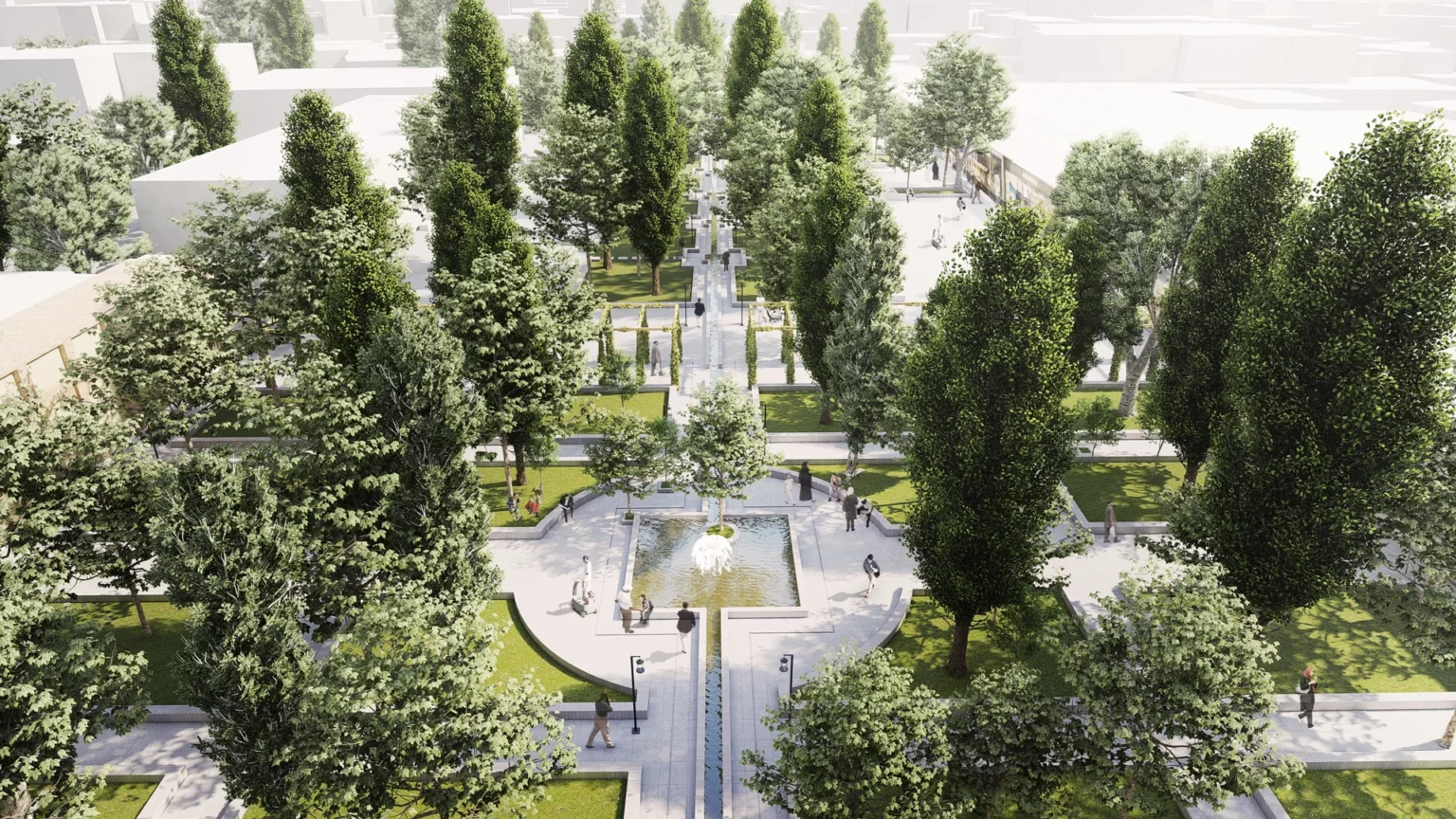
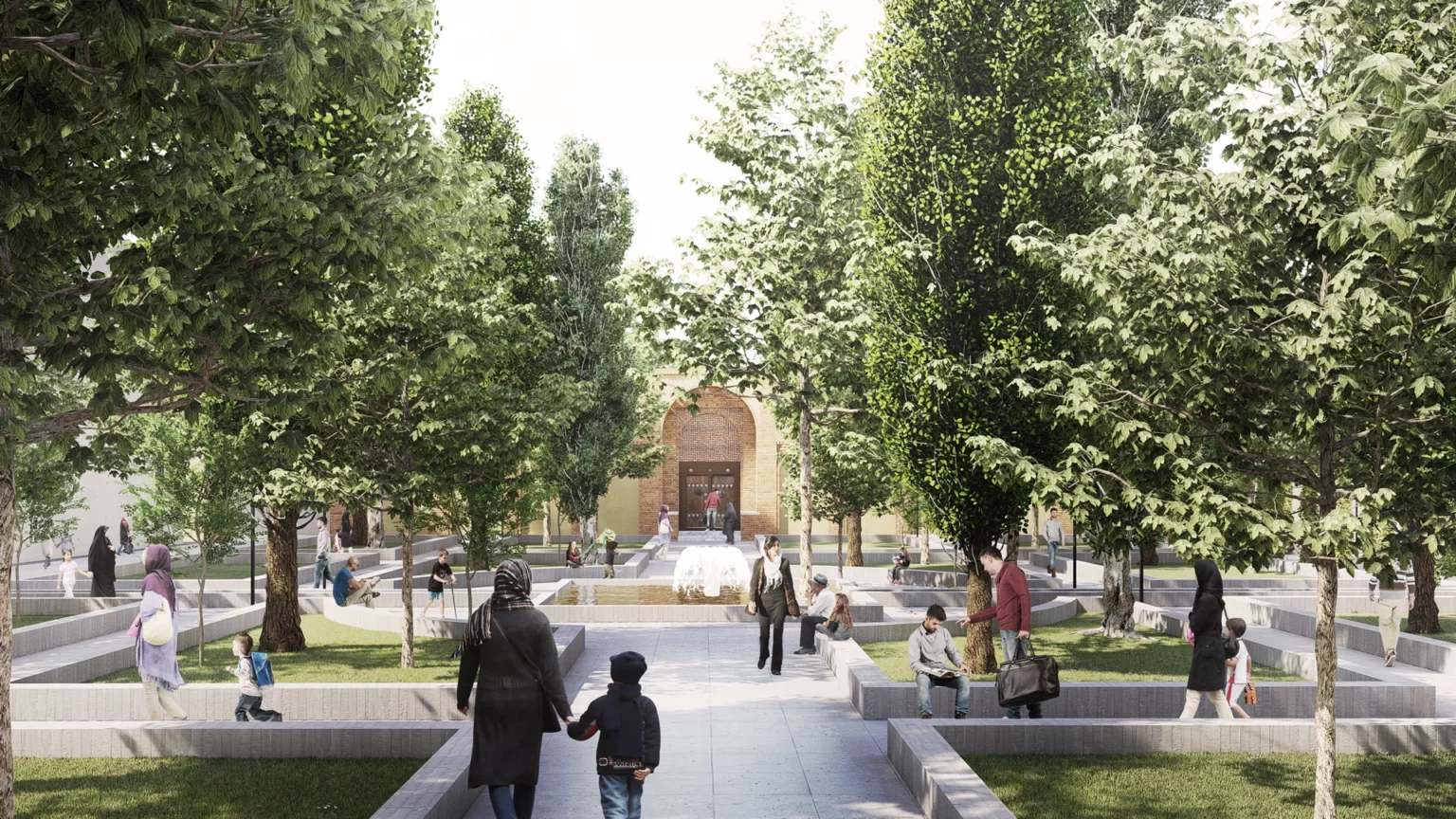
Hence, design team tried to create a chain of activities and at the same time a memorable sequence of spatial experience to achieve through time. A prominent feature to be named is the Green Belt and the Arboretum in the outer layer of the site, inspired by vernacular concepts of the Iranian garden, which address climatic control and filtration as well as creating a lively place for visitors. The green belt penetrates the site through the central Green Corridor designed as a conceptual trajectory starting from tradition to the new frontiers of innovation.
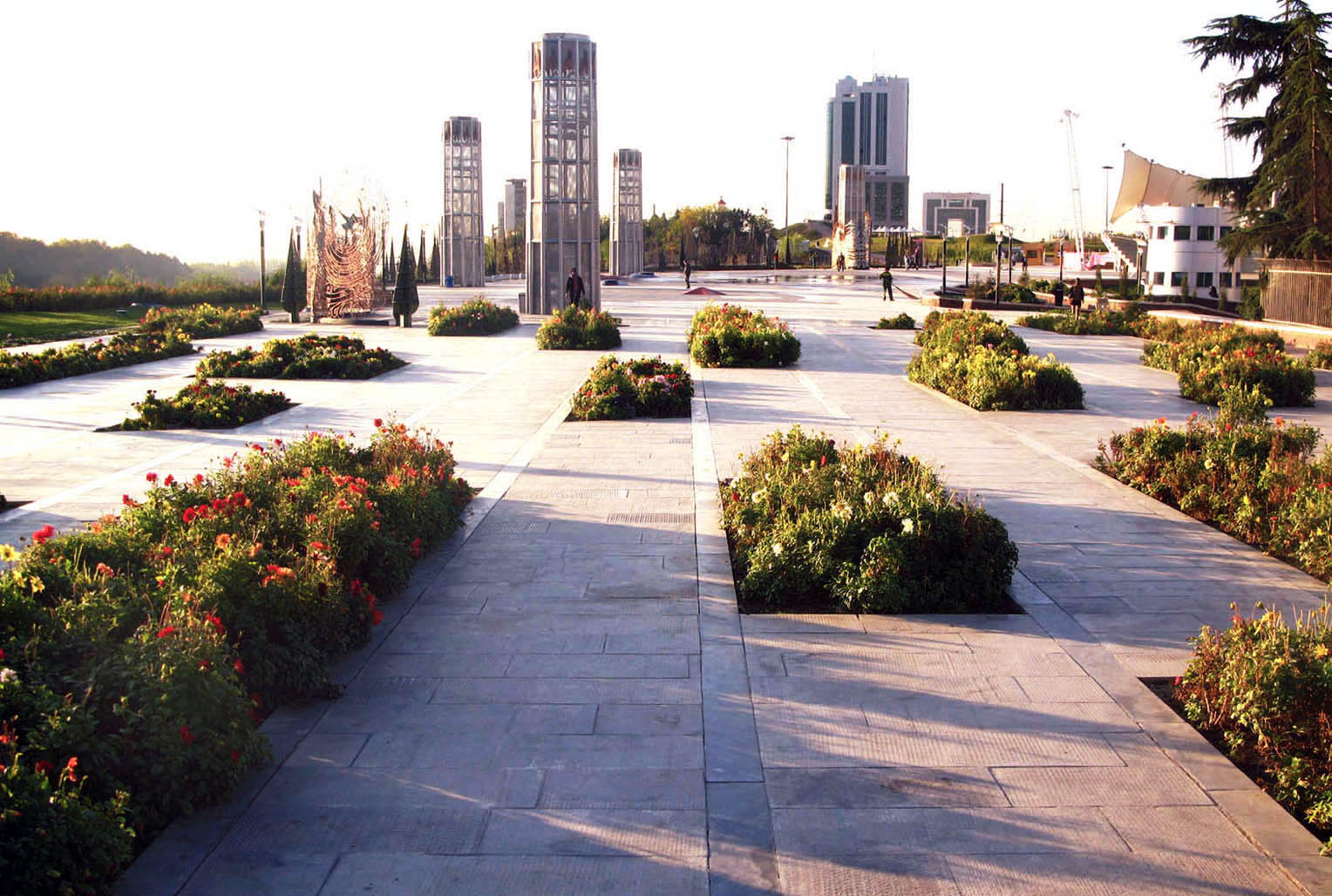
Planning for activities goes beyond the merely exhibition functions. Here, the site is envisioned as a mixed and multi-functional sustainable urban space. In addition to holding domestic and international fairs, the site is planned to offer a vivid range of tourism, recreation and leisure opportunities, active for 24/7. This pedestrian-friendly complex is ready to connect to the historical city through the same shuttle vehicles it provides for visitor to move around the site. The sequences of receiving light and shadow through the open areas by means of trees and supportive elements are designed to make walking and wandering a possible mode of transport within the entire site.

Although the Spatial Master Plan may seem a more tangible and sightly deliverable, yet the BDP, comprises FS studies, planning for existing and possible cooperation networks, setting strategies for revenue streams, considering development trends, and communication models has had a direct impact on physical and spatial planning. Analyzing the business environment, defining services to provide, marketing and organizational planning at a strategic level, and identifying and analyzing the risks to the business are the main activities taken in this part of the services of this project.
موضوع اصلی طرح نمایشگاه بین‌المللی یزد توسعه زمینی بزرگ مقیاس به وسعت 56 هکتار است که در جنوب و حریم شهر تاریخی یزد واقع شده. مأموریت ما در این پروژه تهیه طرح توسعه کسب و کار، طرح جامع فضایی و طرح منظر فضاهای باز این محدوده به منظور خلق یک مرکز جدید با محوریت کسب و کار نمایشگاهی در پیوند با شهر یزد بود. با توجه به ماهیت عملکرد نمایشگاه‌ها به عنوان نقطه عطفی برای ملاقات، تبادل و تعامل انواع کسب و کارها هم در سطوح تخصصی و هم در بخش‌های عمومی، توسعه این طرح در چشم‌انداز خود و با بهره‌گیری از ظرفیت‌ها و امکانات شهر، علاوه بر توسعه شرکت نمایشگاه‌های تجاری شهر یزد، محرکی برای رشد و توسعه انواعی از فعالیت‌ها و افزایش تقاضای توسعه زیرساخت‌های موجود در شهر، به خصوص آن دسته‌ای خواهد بود که سرشتی سازگار یا مکمل فعالیت‌های نمایشگاهی دارند. مهم‌ترین دغدغه‌های نشا در تدوین فرآیند تهیه طرح جامع یا ارزش‌های طرح، عبارت از حفظ پیوستگی و انسجام اجتماعی و ارتباط مؤثر با جامعه محلی، شناسایی و زمینه‌سازی برای رشد اقتصادی متوازن و دارایی محور شرکت نمایشگاه‌ها و منطقه شهری پیرامون، و ایجاد هویتی معتبر و متناسب با موقعیت ویژه سایت در نزدیکی شهر تاریخی یزد بود. توجه به پایداری اکوسیستم و سازگاری با فرایندهای طبیعی نیز اصلی‌ترین ارزش زمینه‌ای مفروض و مسلّم در طرح است. طرح توسعه نمایشگاه در دو محور اصلی طراحی مدل بیزنسی با هدف نقش‌پذیری و رقابت در سپهر کسب و کار نمایشگاهی؛ و طراحی و برنامه‌ریزی توسعه کالبدی- فضایی سایت با هدف ایجاد و آماده‌سازی بستر توسعه کسب و کار و همچنین ایجاد ارزش افزوده در سایت در اختیار شرکت نمایشگاه‌ها به عنوان یک مزیت رقابتی در برگزاری رویدادهای تجاری، فرهنگی و گردشگری است. با توجه به نیازهای کارفرما و تجزیه و تحلیل‌های انجام شده در دیسیپلین‌های مختلف، تیم طراحی اقدام به ایجاد یک زنجیره کامل عملکردی و در عین حال توالی به یاد ماندنی از تجربه فضایی در فازهای زمانی کوتاه‌مدت، میان‌مدت و بلندمدت توسعه سایت نمود.

یکی از ویژگی‌های بارز این پروژه پیشنهاد کمربند سبز و آربورتوم در لایه پیرامونی زمین است که با الهام از معماری بومی یزد و باغ ایرانی ارائه شده و علاوه بر کارکرد اقلیمی و تعدیل هوا به عنوان فضایی سرزنده و عملکردی سلسله مراتبی از تجارب مختلف را در مقیاس پیاده در اختیار بازدیدکنندگان قرار می‌دهد. کمربند سبز بوسیله باغ‌راه مرکزی به درون سایت نفوذ می‌کند و با سناریوسازی‌های مبتنی بر تکنولوژی به عنوان قلمرو بین سنت و مرزهای جدید نوآوری عمل می‌کند. اما طراحی اقلیمی و استفاده از تکنولوژی در فضاها تنها جنبه‌های منحصر بفرد این پروژه نیستند. رویکرد طراحی برای نمایشگاه بین‌المللی یزد فراتر از کارکرد نمایشگاهی می‌باشد. در این کانسپت سایت نمایشگاهی به عنوان یک فضا و مکان پایدار شهری مختلط و چندعملکردی پیش‌بینی شده که علاوه بر برگزاری نمایشگاه‌های داخلی و بین‌المللی، طیف گسترده‌ای از فضاهای گردشگری، تفریحی و فراغتی شهر یزد را تأمین می‌کند و فضاهای هیبرید و سرزنده آن در تمام طول سال و ساعات شبانه روز فعال خواهند بود. این مجموعه دوستدار پیاده با استفاده از خطوط شاتل امکان ارتباط با شهر تاریخی یزد و همچنین جابجایی در سایت نمایشگاهی را فراهم می‌کند.

با توجه به مکان‌یابی کاربری‌ها و همچنین بهره‌گیری از تکنیک‌های نور و سایه و سایبان‌ها در طول مسیرها امکان پیاده‌روی در تمام سایت وجود دارد. در طراحی سازمان‌ فضایی، لکه‌گذاری کاربری‌ها و پیش بینی فرم کالبدی و فضاهای همگانی، تلاش شده است قرائتی امروزین از سنت غنی معماری کهن یزد ارائه شود و به تأسی از روش‌های کنترلی غیرعامل، با رعایت جهت‌گیری‌های مناسب، توجه به سایه‌اندازی و نورگیری به‌اندازه، شرایط آسایش اقلیمی در جهت افزایش حضورپذیری فضاهای باز برای کاربر پیاده فراهم باشد. گرچه برنامه توسعه کالبدی- فضایی و روند پیشرفت آن خروجی ملموس‌تر این پروژه است، باید توجه داشت که پیش‌ران آن برنامه توسعه کسب و کار، از امکان‌سنجی تحقق‌پذیری زنجیره‌های فعالیتی با اتکا بر مزیت‌های نسبی وابسته به جغرافیای کسب و کار و شبکه‌های همکاری موجود و قابل شکل‌گیری گرفته تا بررسی کانال‌های درآمدی، گرایش‌های توسعه‌ای، و مدل ممکن برای پاگرفتن و تداوم کسب و کار بوده و تأثیری مستقیم بر برنامه‌ریزی فضایی و کالبدی داشته است. تحلیل محیط کسب و کار و تبیین خدمات قابل ارائه، برنامه‌ریزی بازاریابی و سازمانی در سطح استراتژیک و شناسایی و تحلیل ریسک‌های متوجه کسب و کار اقدامات اصلی انجام شده در این بخش از خدمات این پروژه است.

Perceptions of Public Spaces in Tehran- An Evaluation Platform (HayateTehran)

Perceptions of Public Spaces in Tehran- An Evaluation Platform (HayateTehran)

Project Info
Year:
Client:
Location:
Status:
Program:
2021
Tehran Municipality
Tehran, Iran
Completed
Urban Design Toolkits

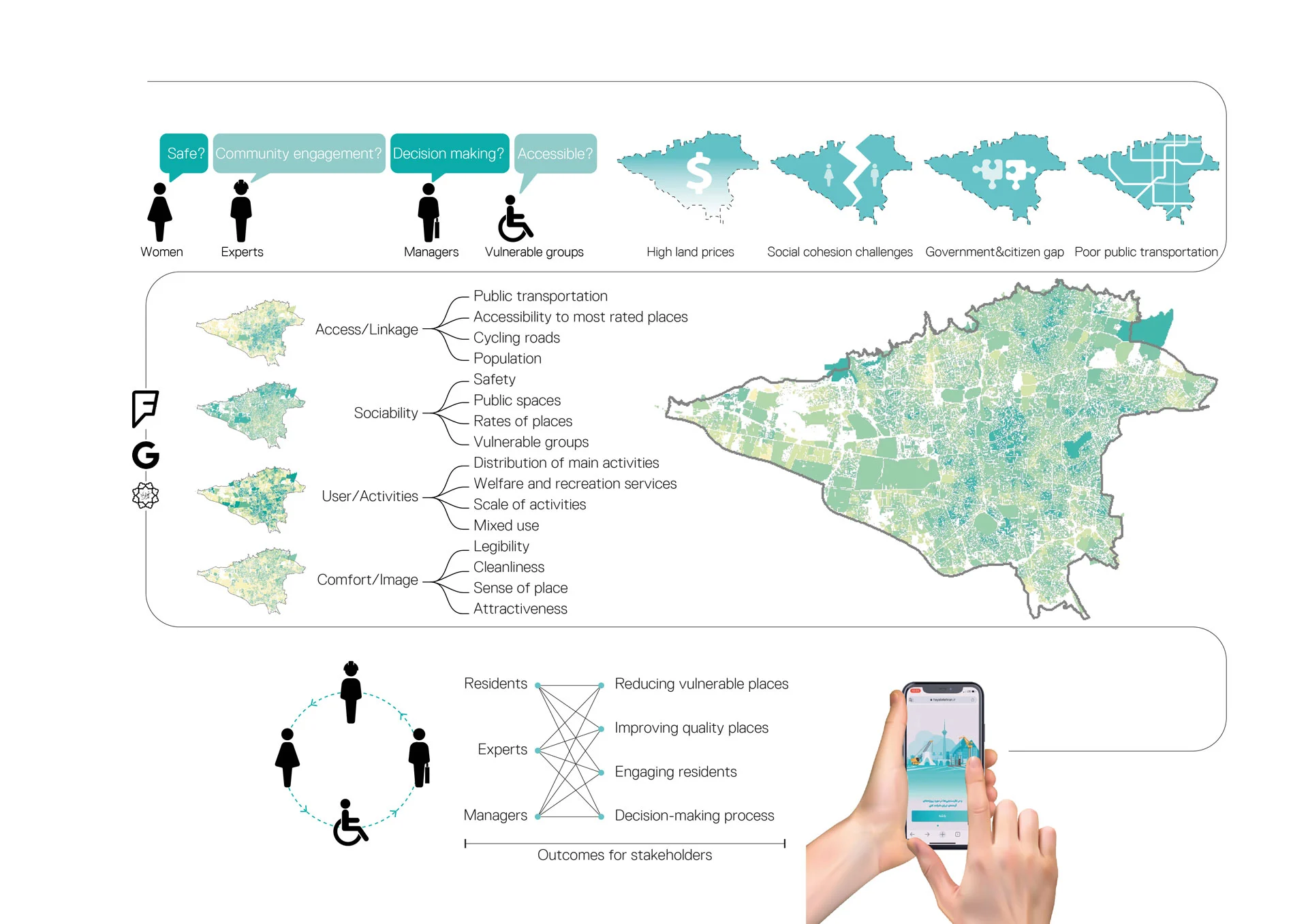
We designed an online platform to share our spatial analysis and evaluation of public spaces of Tehran with people and provide opportunities for their active participation in the city’s future development. To recognize successful public spaces, we collected our basic data from Tehran’s municipality, google places, and foursquare venues information. By using PPS (Project for Public Spaces) criteria for successful public spaces, access and linkages, sociability, uses and activities, comfort and image, we defined 15 indicators to evaluate Tehran’s successful public spaces. For access and linkages, we evaluate accessibility to public transportation, permeability, accessibility to most rated places, cycling roads, proximity to parking lots, and neighborhood population accessibility. To assess sociability, we considered safety, reaching public spaces, and rates of places. The indicators used to evaluate uses and activities were distribution of main activities, welfare and recreation services, and scale of activities; and for comfort and image, we analyzed legibility, cleanliness, and sense of place. We collected our data through Tehran’s municipality basic information, google places and reviews, and foursquare city guide data and analyzed them using network Analysis methods (Reach, Straightness, Gravity, Betweenness). The value of each public space was estimated based on its scores and the resulting map provided in the platform demonstrated neighborhood amenities, scores of four defined PPS criteria and urban municipality project announcement.

The platform was developed to reduce the gap between experts’ opinions and the public. It provides a perfect setting for people to score all indicators for every public space in Tehran, review their neighborhoods, and participate in the ongoing and future development of the city. Citizens can also use the statistical data of this database to look for the information in their living, recreational and working areas. The urban government managers and technical specialists would have the opportunity to hear audience opinions and the platform will help them through the decision-making process.

پروژه شبکه حیات با هدف شناسایی محدودههای دارای پتانسیل در راستای توسعه فضای عمومی تهران بر پایه برهم نهادن لایههای تخصصی و دادههایی مردمی از منابع آنلاین نظیر فوراسکوئر و گوگل که با اهداف متفاوتی مبنی بر تجربه زیسته آنان ثبت شده بود، شکل گرفت. سازمان مشاور فنی و مهندسی شهر تهران در راستای ارتقا كمی و كيفی فضاهای عمومی شهری با همراهی تیم نشا پس از انجام مطالعات فنی و تخصصی، بر پایهی ۲۲ شاخص و چهار گروه معیاری، محدودههای مستعد شکلگیری فضاهای عمومی را در محلات تهران شناسایی کردند اما از آنجایی که بخشی از شاخصهای شکلگیری خاص این فضاها مبتنی بر نظرات صریحتر مردمی بود، پلتفرم آنلاین شبکه حیات با کمک لابراتوار نوآوری شهر آینده در راستای کاهش فاصلهی آرای متخصصین و مردم توسعه یافت. پلتفرم حاضر بر مبنای چهار مؤلفه اصلی امنیت، پاکیزگی و آراستگی محیط، دسترسی به مکانهای فراغتی و حملونقل عمومی به عنوان شاخصهایی پراهمیت از دیدگاه مردم در شکلگیری فضاهای عمومی، طراحی و پیاده سازی شد. شهروندان تهران میتوانند نظرات و تجربیات خود را در قالب بازخورد دربارهی محلههای مختلف تهران ثبت کنند و با استفاده از دادههای آماری و نظرات سایر کاربران، محلههای شهر را به منظور زندگی، تفریح یا کار ارزیابی و بررسی کنند. همچنین در این پلتفرم تلاش شده است تا پروژههای توسعهی فضاهای عمومی تهران توسط شهروندان ارزیابی شده و اصلاح گردد و پروژههای آتی متناسب با تجربیات زیستهی مردم و نظرات آنها شکل بگیرد و با عنایت به گسترش فضای عمومی در ساحت مجازی، این پلتفرم در آینده میتواند نقش مهمی در اتصال اجتماع فضای مجازی به فضای عمومی نمود یافته در شهر داشته باشد.

پروژه شبکه حیات با هدف شناسایی محدوده‌های دارای پتانسیل در راستای توسعه فضای عمومی تهران بر پایه برهم نهادن لایه‌های تخصصی و داده‌های مردمی از منابع آنلاین نظیر فوراسکوئر و گوگل که با اهداف متفاوتی مبنی بر تجربه زیسته آنان ثبت شده بود، شکل گرفت. سازمان مشاور فنی و مهندسی شهر تهران در راستای ارتقا كمی و كيفی فضاهای عمومی شهری با همراهی تیم نشا پس از انجام مطالعات فنی و تخصصی، بر پایه‌ی ۲۲ شاخص و چهار گروه معیاری، محدوده‌های مستعد شکل‌گیری فضاهای عمومی را در محلات تهران شناسایی کردند اما از آنجایی که بخشی از شاخص‌های شکل‌گیری خاص این فضاها مبتنی بر نظرات صریح‌تر مردمی بود، پلتفرم آنلاین شبکه حیات با کمک لابراتوار نوآوری شهر آینده در راستای کاهش فاصله‌ی آرای متخصصین و مردم توسعه یافت. پلتفرم حاضر بر مبنای چهار مؤلفه اصلی امنیت، پاکیزگی و آراستگی محیط، دسترسی به مکان‌های فراغتی و حمل‌ونقل عمومی به عوان شاخص‌هایی پراهمیت از دیدگاه مردم در شکل‌گیری فضاهای عمومی، طراحی و پیاده سازی شد. شهروندان تهران می‌توانند نظرات و تجربیات خود را در قالب بازخورد درباره‌ی محله‌های مختلف تهران ثبت کنند و با استفاده از داده‌های آماری و نظرات سایر کاربران، محله‌های شهر را به منظور زندگی، تفریح یا کار ارزیابی و بررسی کنند. همچنین در این پلتفرم تلاش شده است تا پروژه‌های توسعه‌ی فضاهای عمومی تهران توسط شهروندان ارزیابی شده و اصلاح گردد و پروژه‌های آتی متناسب با تجربیات زیستی مردم و نظرات آنها شکل بگیرد و با عنایت به گسترش فضای عمومی در ساحت مجازی، این پلتفرم در آینده میتواند نقش مهمی در اتصال اجتماع فضای مجازی به فضای عمومی نمود یافته در شهر داشته باشد.

06 Military Base Restoration Plan

06 Military Base Restoration Plan

Project Info
Year:2021
Client:Omran Abshar Engineering Company
Location:Tehran, Iran
Status:Ongoing
Program:Regeneration

With the expansion of cities and urbanization, military-owned lands that were once outside the city borders are not only gradually merging inside the cities, but nowadays are also neighbors of important settlements and city centers.

For nearly half a century, it has been decided to move these military bases outside the city and allocate these lands to the city’s necessary uses.

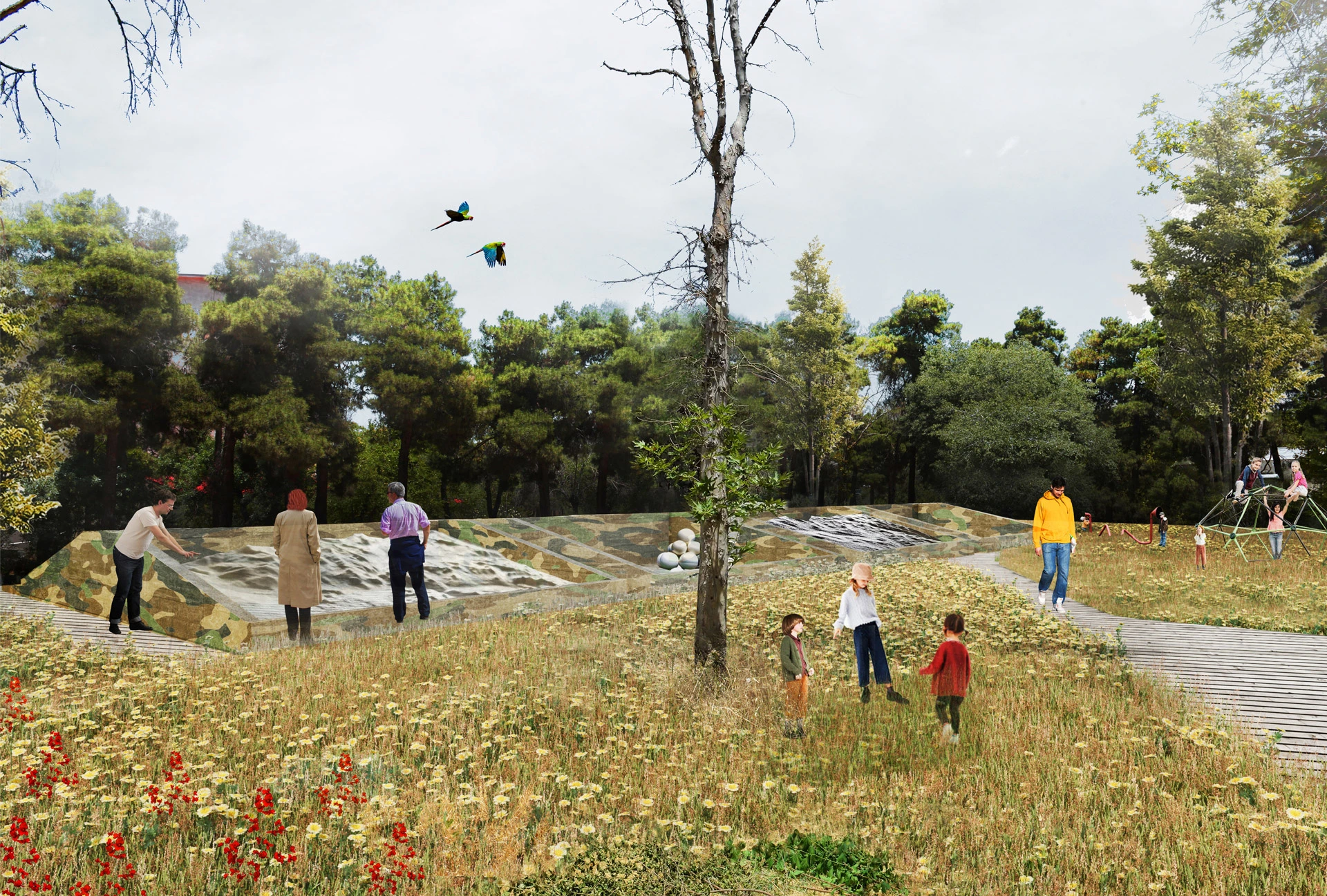
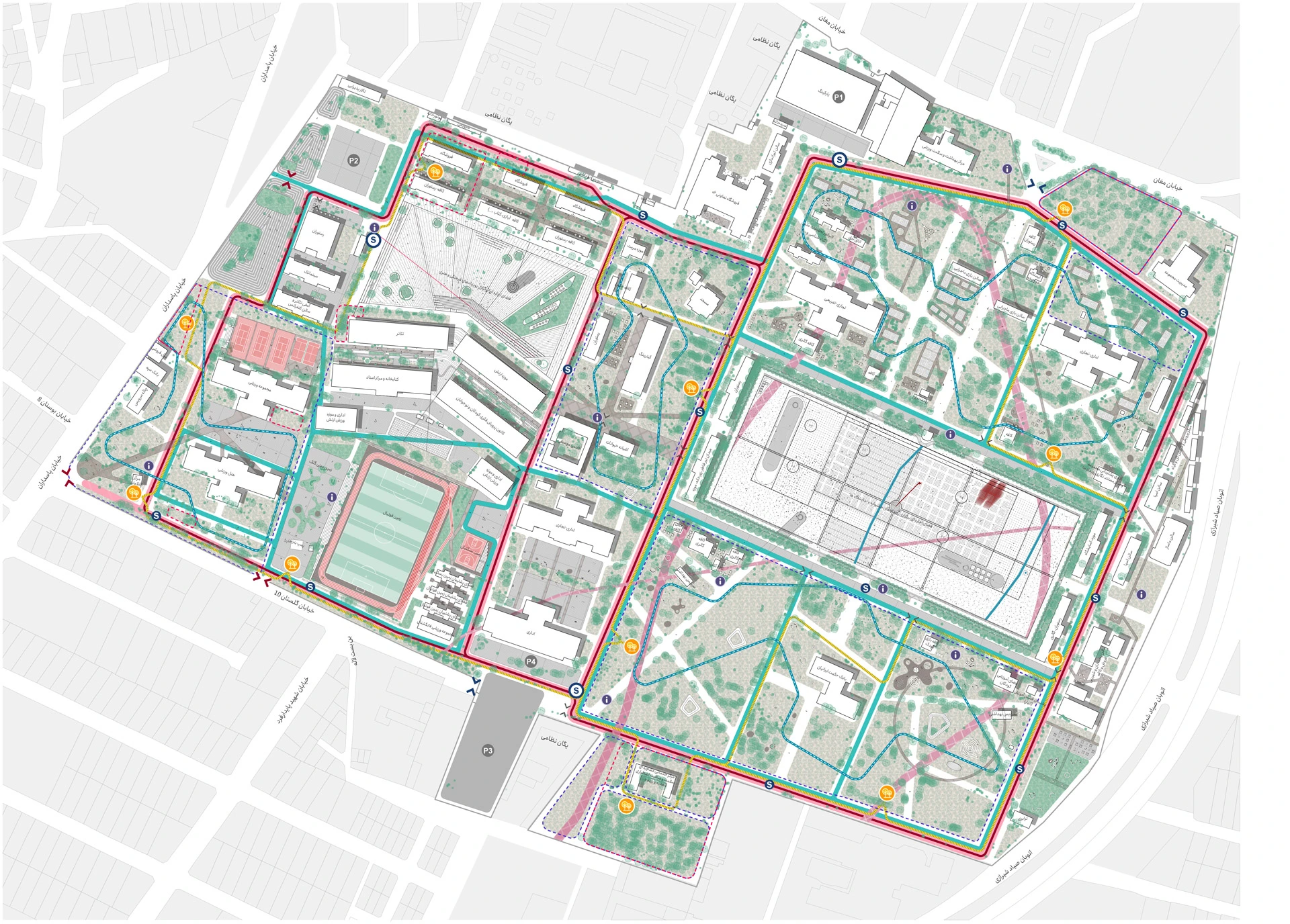
The 06 military base, with an area of ​​49.5 hectares located between Pasdaran, Moghan, Golestan 10th streets, and Sayad Shirazi Highway, which was once part of the historical Saltanat Abad garden and later dedicated to military operations since the first Pahlavi era, plans to become an educational, cultural, and sports center to train creative groups in the city. NESHA is responsible for land development planning of the site while preserving natural and historical values, etc., and preparing plans for the development of buildings and open spaces in this complex.

با گسترش شهرها و شهرنشینی، اراضی نظامی که زمانی خارج از محدوده شهر بودند، نه تنها به تدریج در داخل شهرها ادغام می شوند، بلکه امروزه با سکونتگاه ها و مراکز مهم شهری همسایه شده اند. نزدیک به نیم قرن است که تصمیم گرفته شده است که پادگان‌های نظامی به خارج از شهر منتقل شده و این زمین‌ها به کاربری‌های ضروری شهر اختصاص یابد.
پادگان نظامی ۰۶ به مساحت ۴۹.۵ هکتار در حد فاصل خیابان پاسداران، مغان، گلستان دهم و بزرگراه صیاد شیرازی که زمانی بخشی از باغ تاریخی سلطنت آباد بوده و بعدها از دوران پهلوی اول به فعالیت نظامی اختصاص یافته است، قرار است به یک مرکز آموزشی، فرهنگی و ورزشی برای تربیت گروه های خلاق در شهر تبدیل شود. نشا مسئولیت برنامه ریزی توسعه اراضی سایت با حفظ ارزش‌های طبیعی و تاریخی و تهیه برنامه توسعه بناها و فضاهای باز در این مجموعه را بر عهده دارد.

با گسترش شهرها و شهرنشینی، اراضی نظامی که زمانی خارج از محدوده شهر بودند، نه تنها به تدریج در داخل شهرها ادغام می‌شوند، بلکه امروزه با سکونتگاه‌ها و مراکز مهم شهری همسایه شده‌اند. نزدیک به نیم قرن است که تصمیم گرفته شده است پادگان‌های نظامی به خارج از شهر منتقل شده و این زمین‌ها به کاربری‌های ضروری شهر اختصاص یابد. پادگان نظامی ۰۶ به مساحت ۴۹.۵ هکتار در حد فاصل خیابان پاسداران، مغان، گلستان دهم و بزرگراه صیاد شیرازی که زمانی بخشی از باغ تاریخی سلطنت آباد بوده و بعدها از دوران پهلوی اول به فعالیت نظامی اختصاص یافته است، قرار است به یک مرکز آموزشی، فرهنگی و ورزشی برای تربیت گروه‌های خلاق در شهر تبدیل شود. نشا مسئولیت برنامه‌ریزی توسعه اراضی سایت با حفظ ارزش‌های طبیعی و تاریخی و تهیه برنامه توسعه بناها و فضاهای باز در این مجموعه را بر عهده دارد.

Recreating the Central Urban Texture of Bijar City

Recreating the Central Urban Texture of Bijar City

Project Info
Year:
Client:
Location:
Status:
Program:
2019
Bijar Municipality
Bijar, Kurdistan, Iran
Completed
Regeneration

The central urban texture of Bijar city has been identified and introduced as a historical context in need of reconstruction in the studies conducted for the reconstruction plan of the city. In this regard, the plan to recreate the central area of ​​Bijar city was prepared by the order of the Department of Urban Development and Improvement of Kurdistan Province and the parent company of Iran Urban Development and Improvement in 2016.

The central area of ​​Bijar city, considering the existing problems in various social, economic, physical, and environmental aspects on the one hand and having development capacities and potentials such as historical and cultural background and multiplicity of open and abandoned lands, on the other hand, is a potential opportunity for development through a wide range of scales throughout the city.

Thus, the plan to recreate the historical texture of Bijar, with emphasis on the revitalization of public spaces in the spatial structure of the city has been minutely prepared.

بافت مرکزی شهر بیجار به عنوان بافت تاریخی نیازمند بازآفرینی در مطالعات طرح بازآفرینی این شهر شناسایی و معرفی شده‌است. در این راستا، طرح بازآفرینی محدوده بافت مرکزی شهر بیجار به سفارش اداره عمران و بهسازی شهری استان کردستان و شرکت مادر تخصصی عمران و بهسازی شهری ایران در سال 1395 تهیه شد. محدوده مرکزی شهر بیجار با توجه به مسائل و معضلات موجود در ابعاد مختلف اجتماعی، اقتصادی، کالبدی و زیست محیطی از یک سو، و برخورداری از ظرفیت‌ها و پتانسیل‌های توسـعه مانند پیشینه تاریخی و فرهنگی و تعدد زمین‌های باز و رها شده از سوی دیگر، گزینه مستعدی برای توسعه با برد وسـیع در مقیاس شهر است. بدین ترتیب، طرح بازآفرینی بافت تاریخی بیجار، با تاکید بر باز-زنده‌سازی فضاهای عمومی در ساختارفضایی شهر تدقیق شده‌است.
Restoration Strategic Plan of Watercourses in Region3 of Tehran Municipality

Restoration Strategic Plan of Watercourses
in Region 3 of Tehran Municipality

Project Info
Year:
Type:
Program:
Client:
Size:
Location:
Status:
2018
Commission
Strategic Plan
Tehran Municipality Organization (TETCO)
400 hectares
Tehran, Iran
Completed
Project Management: Shadi Azizi
Lead Designer: Ali Naghavi Namini
Project Coordination: Shadnaz Azizi
Environmental Studies:Yalda Seirafi, Shadnaz Azizi, Mahdi PourPeykari, Mojtaba Safdarnejad, Mozhdeh Mahdavi Moghadam, Ahmad Khoshdel Nikoo, Tiam Sharifi, Somayeh Esmaili
Social Studies: Mohammad Ameli, Marjan Shojaie
Design Team:Tiam Sharifi, Mozhdeh Mahdavi Moghadam, Nastaran Esmaeel Beygi, Farshad Kazerooni, Mohammadtaghi Dibaee, Mahdi PourPeykari, Somayeh Esmaeeli
Presentation:Masoumeh Hosseinzadeh

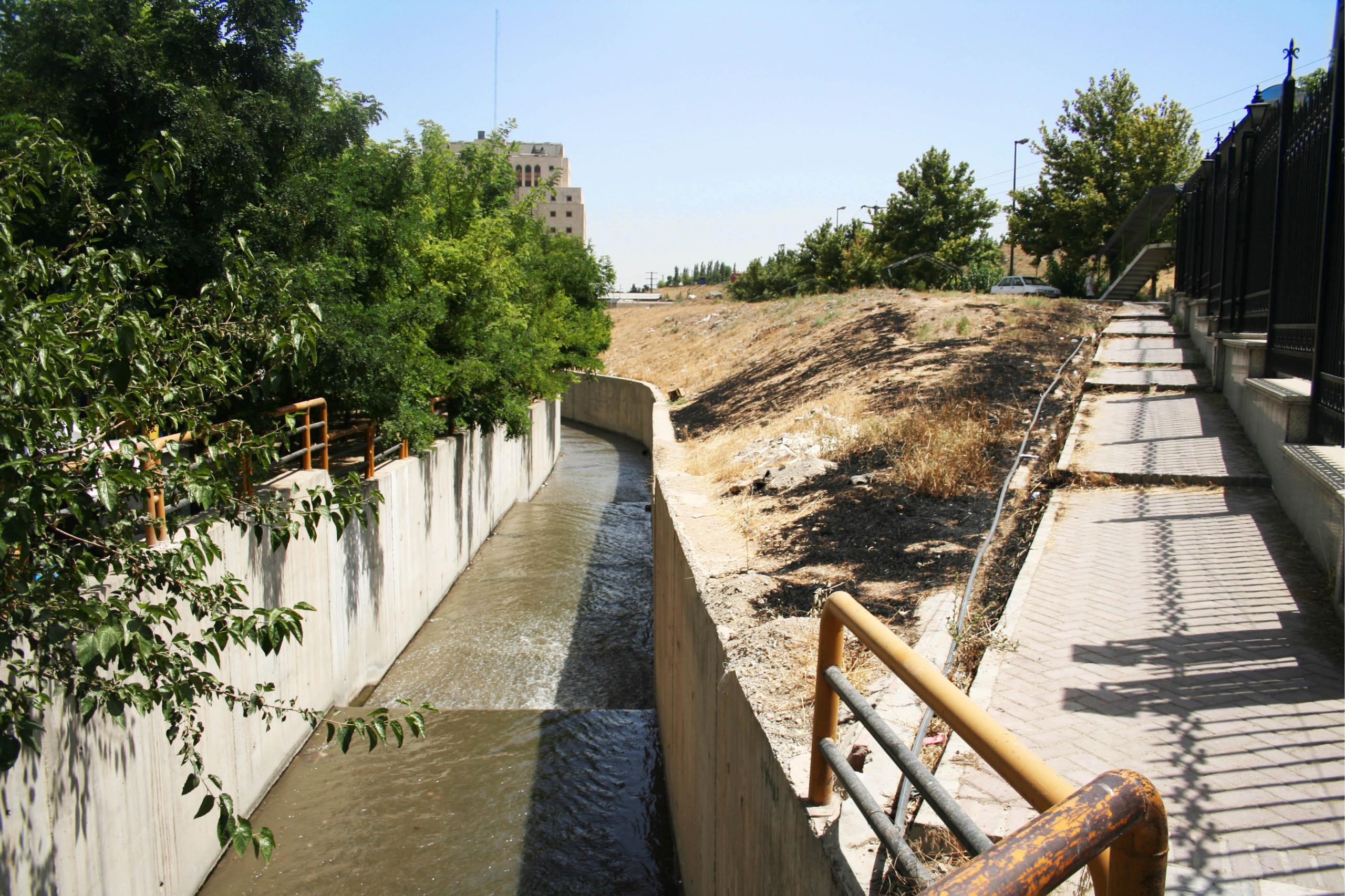
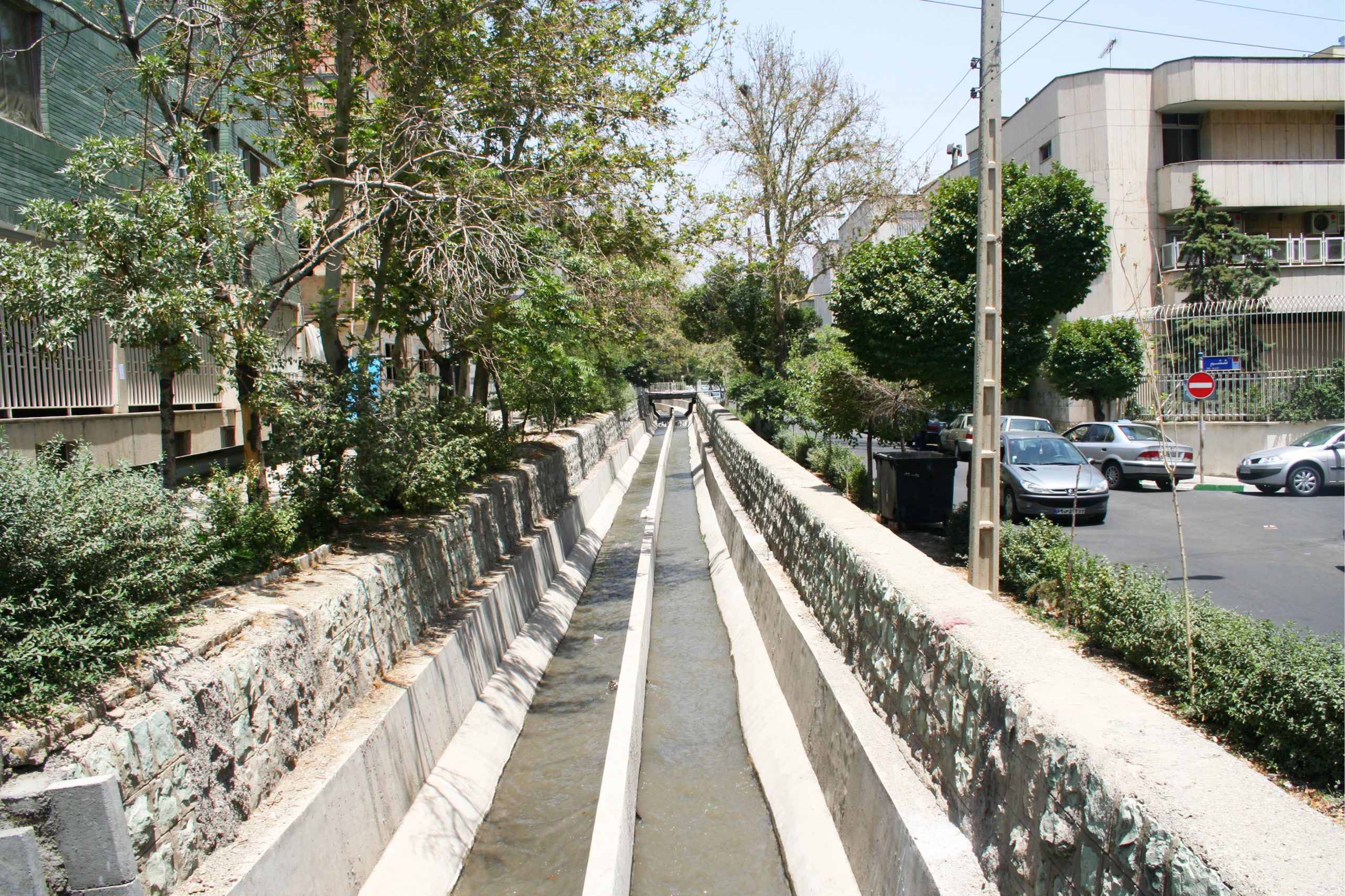
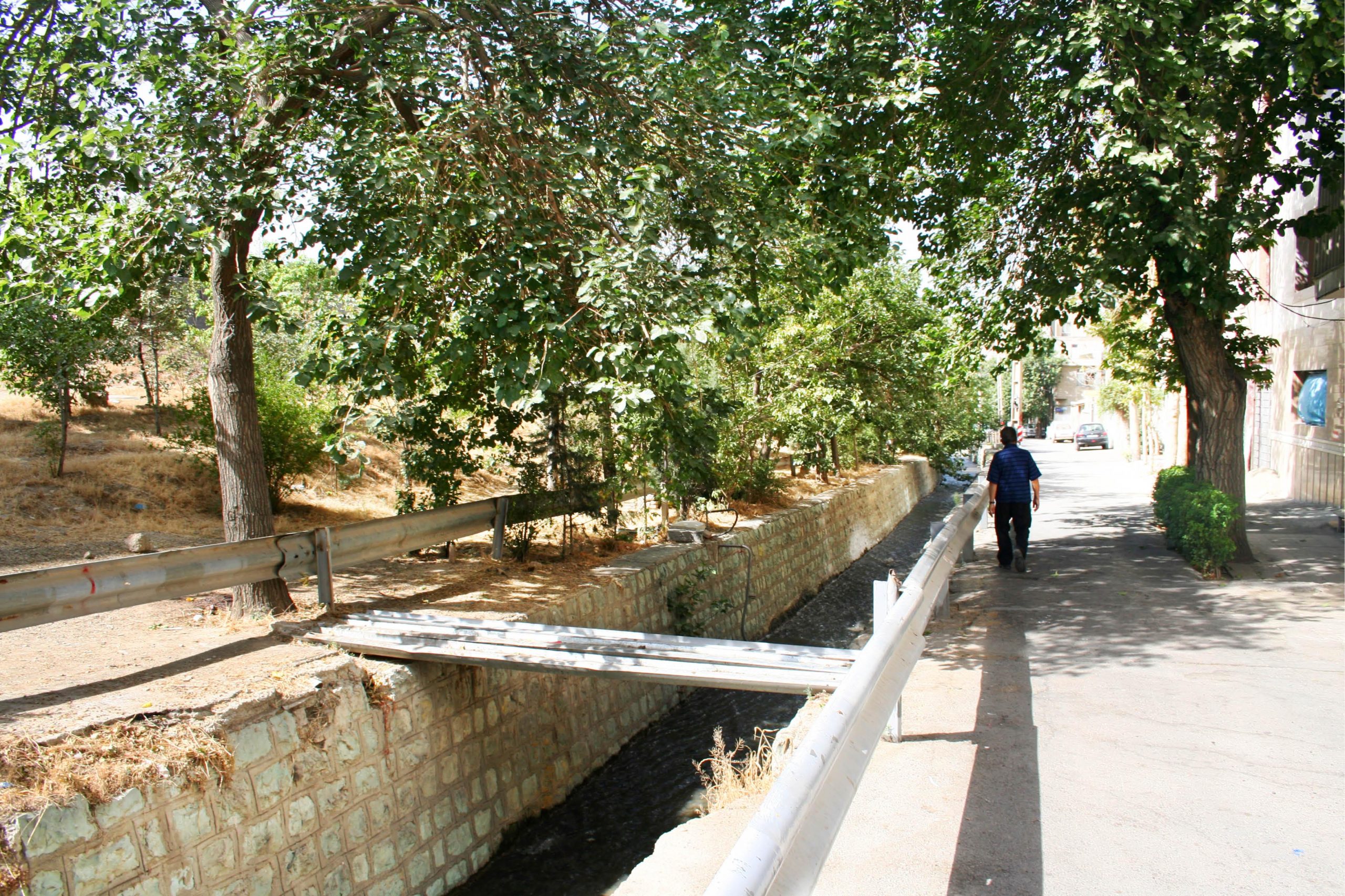
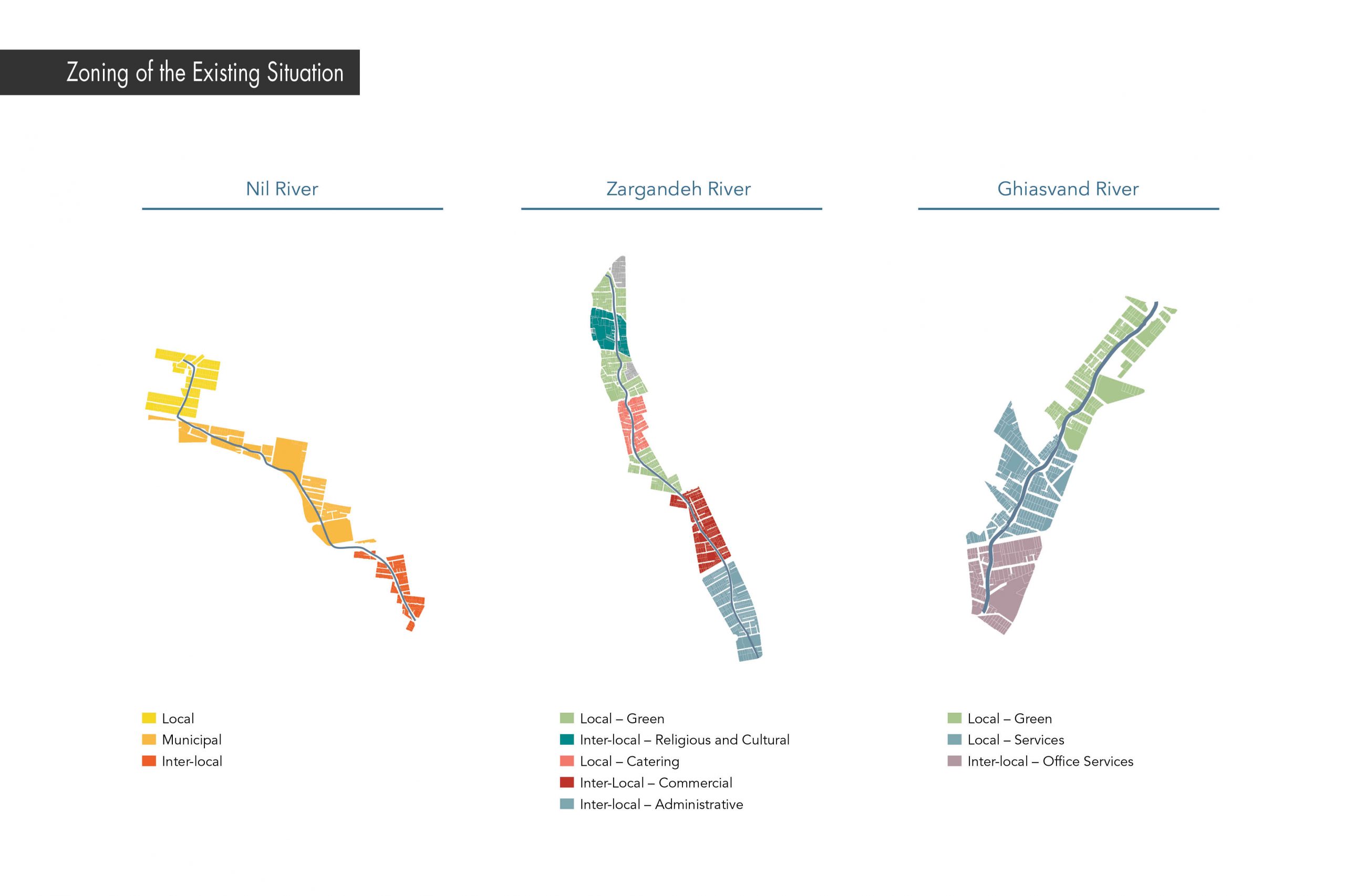
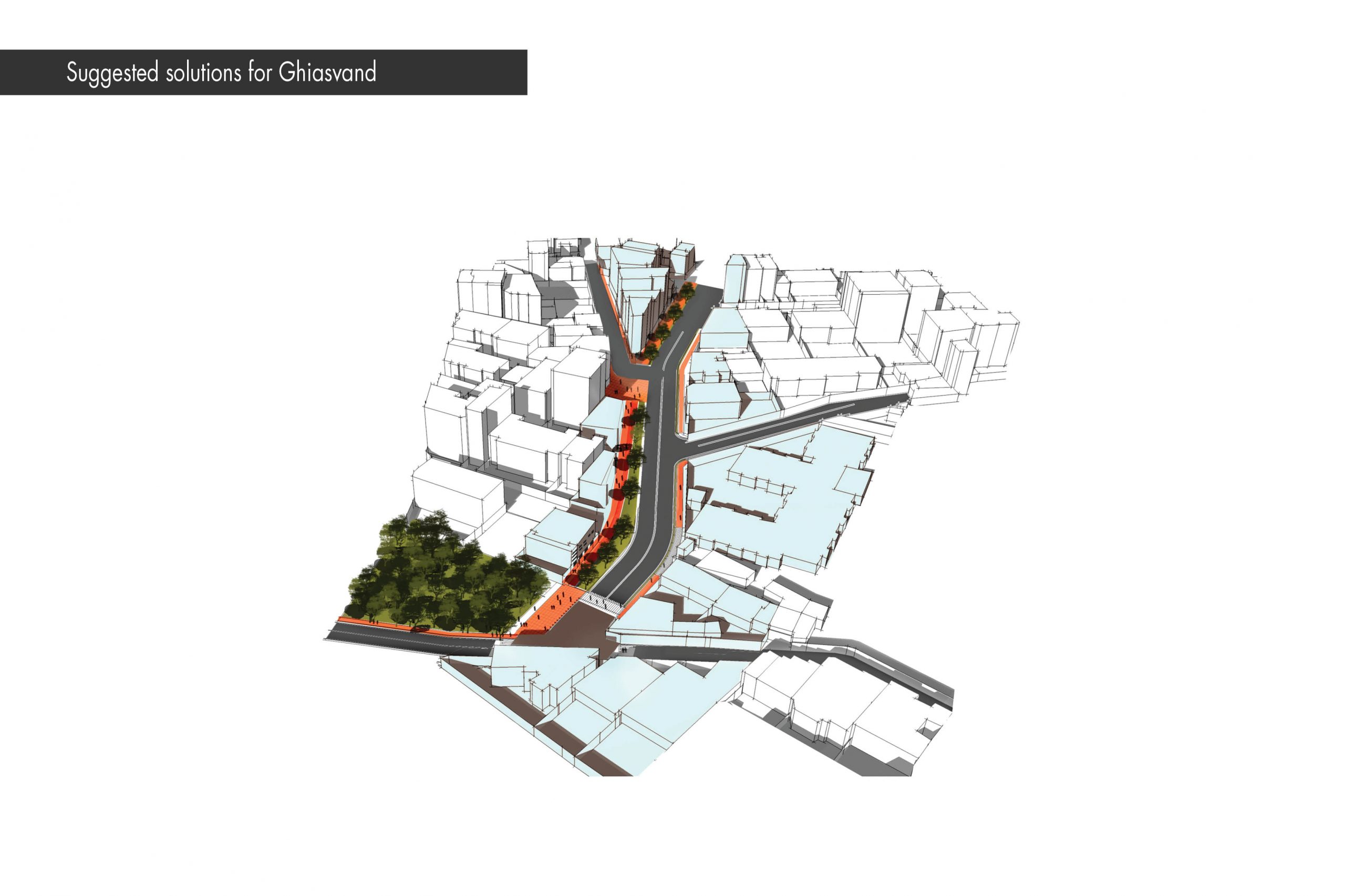
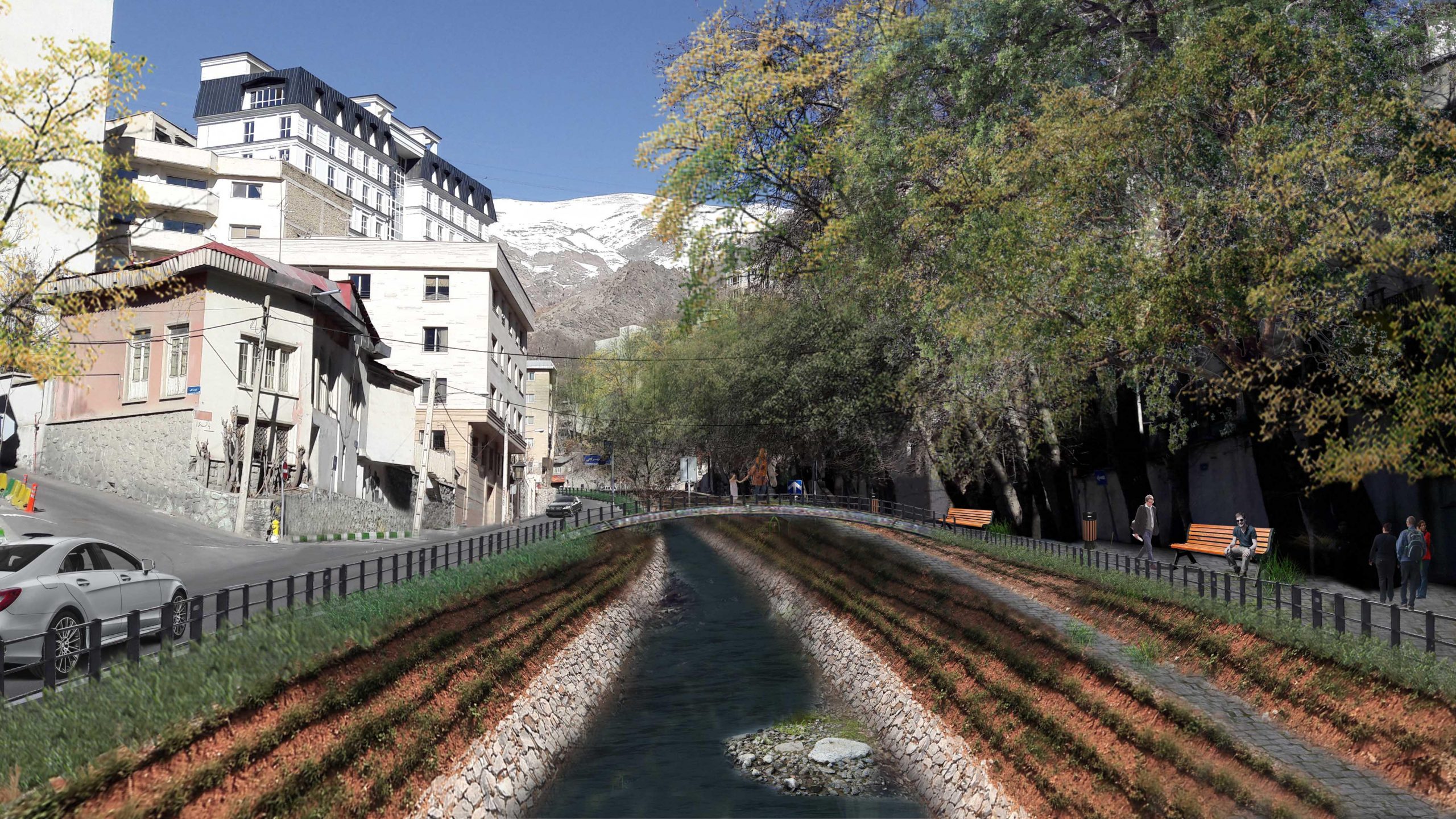
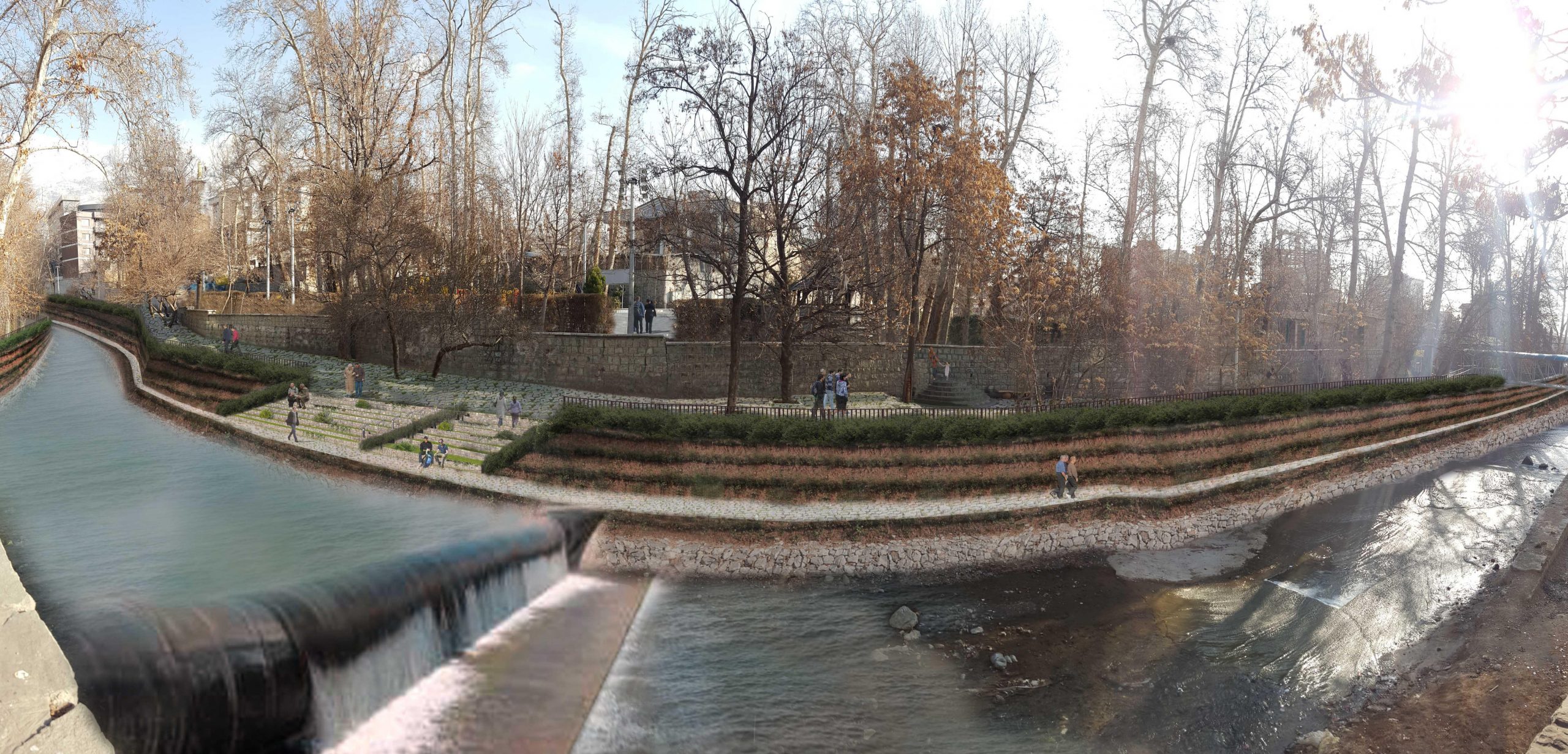
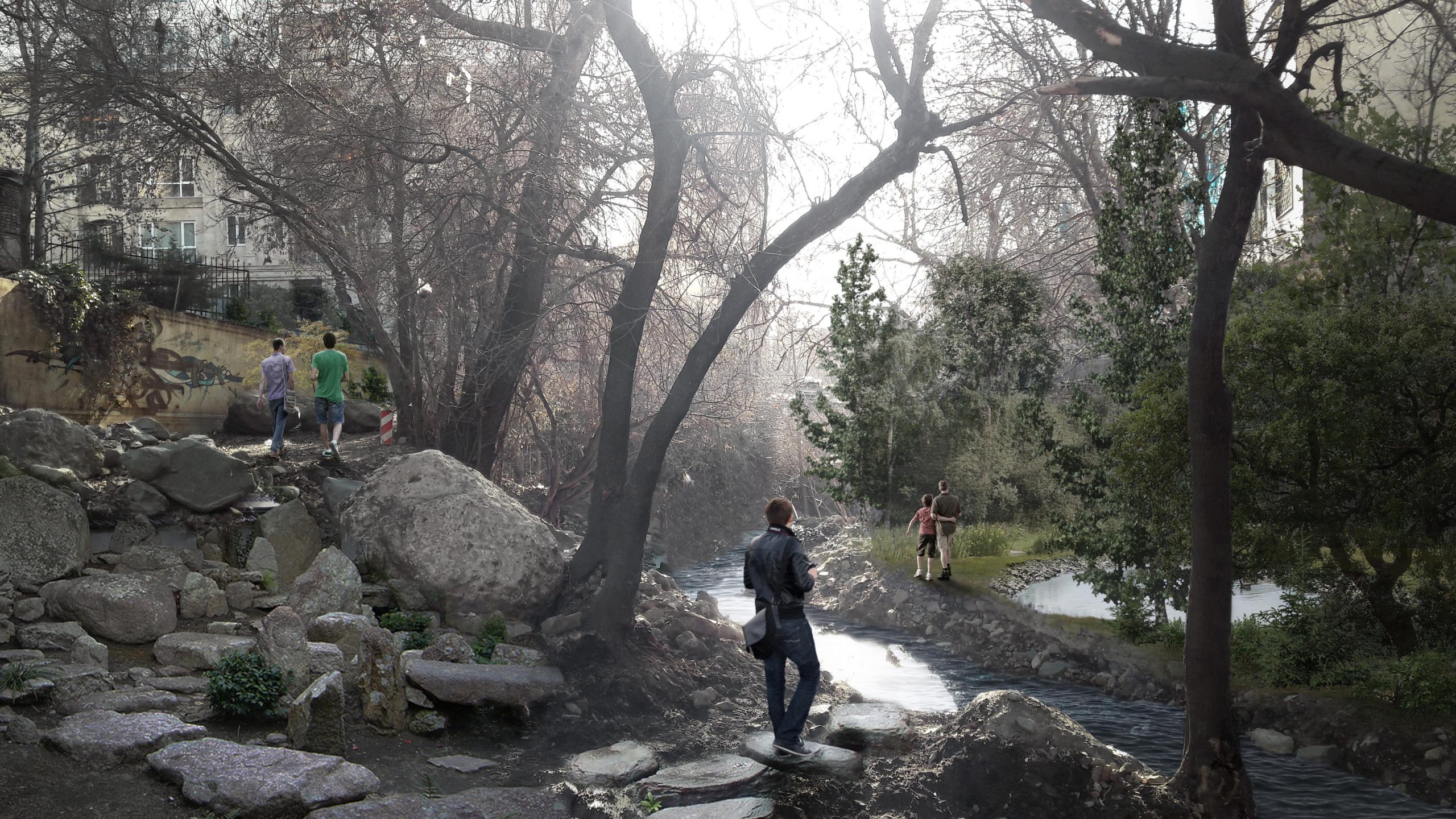
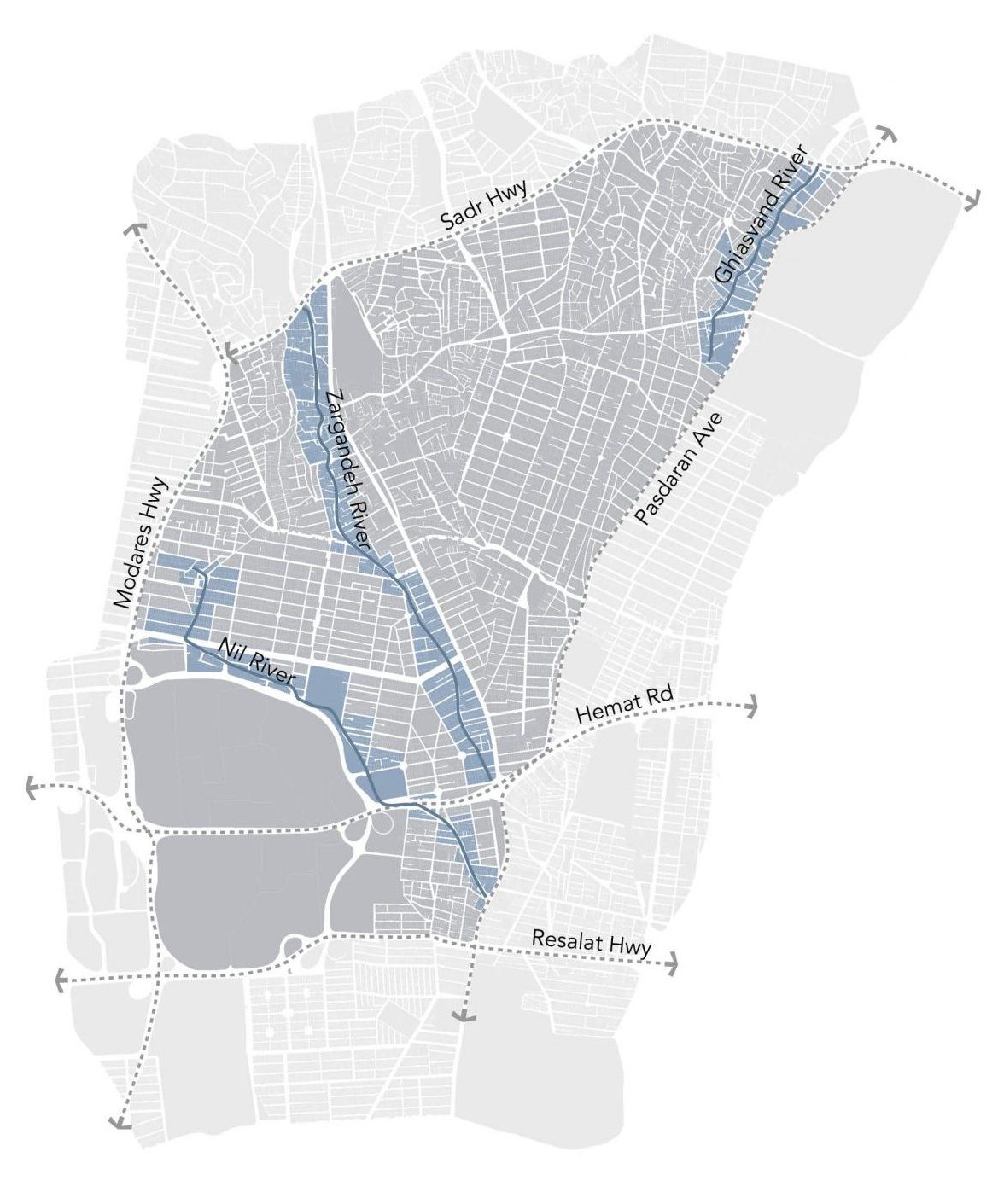
With the constant development of Tehran during the recent years, intermittent streams that had formed the structure of the city – and were once a blessing for urban life – are now considered as an environmental threat. Flooding issues caused by the immethodical constructions and poor management of the urban spaces has forced the municipal authorities to confine Tehran’s intermittent streams into concrete walls. These decisions for the management of the urban water basins gradually restructured Tehran. In this new spatial structure, perennial and intermittent streams were covered and constrained in concrete walls and so disappeared from the life of the citizens. The intermittent streams restoration plan was conducted by the Municipal region 3 of Tehran (Ghiasvand, Zargandeh, Nil) with the goal of establishing dynamic interactions between intermittent streams and the citizens with the approach of improving the ecological quality of the waterflow and ease of movement and accessibility.


The goal of this project is to save, restore, and conserve the intermittent streams of the Municipal District 3 –Ghiasvand, Zargandeh, and Nil.

in the first place should be able to protect their own existence and in the second step, balance with the artificial environment and inject life into the urban environment. The main goals of the project can be summarized in three articles:

-Restoration of the natural shape and function of urban rivers

-Integration of the urban fabric with the intermittent streams

-Boldening the role of the intermittent streams in the spatial organization of District 3


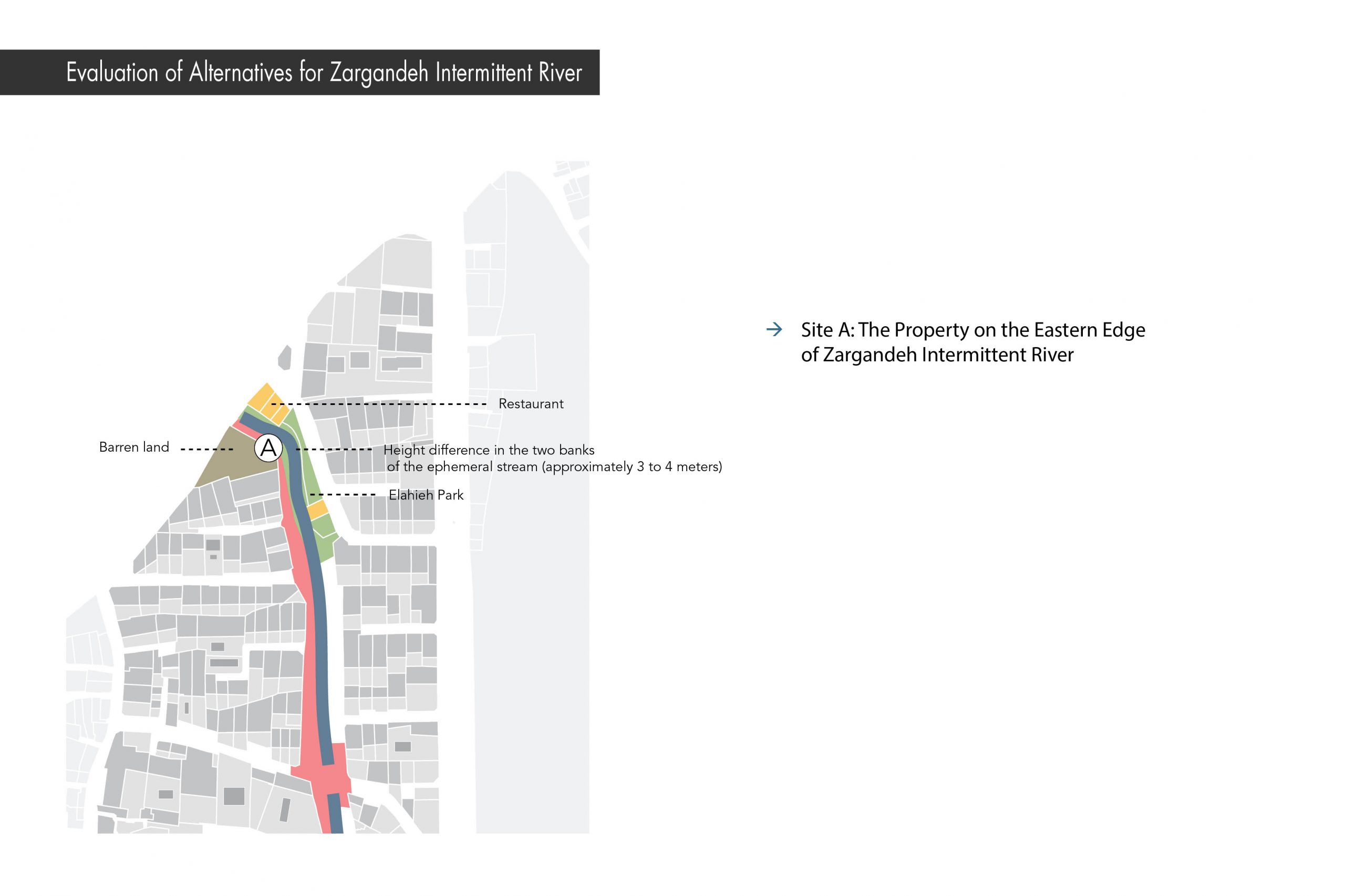
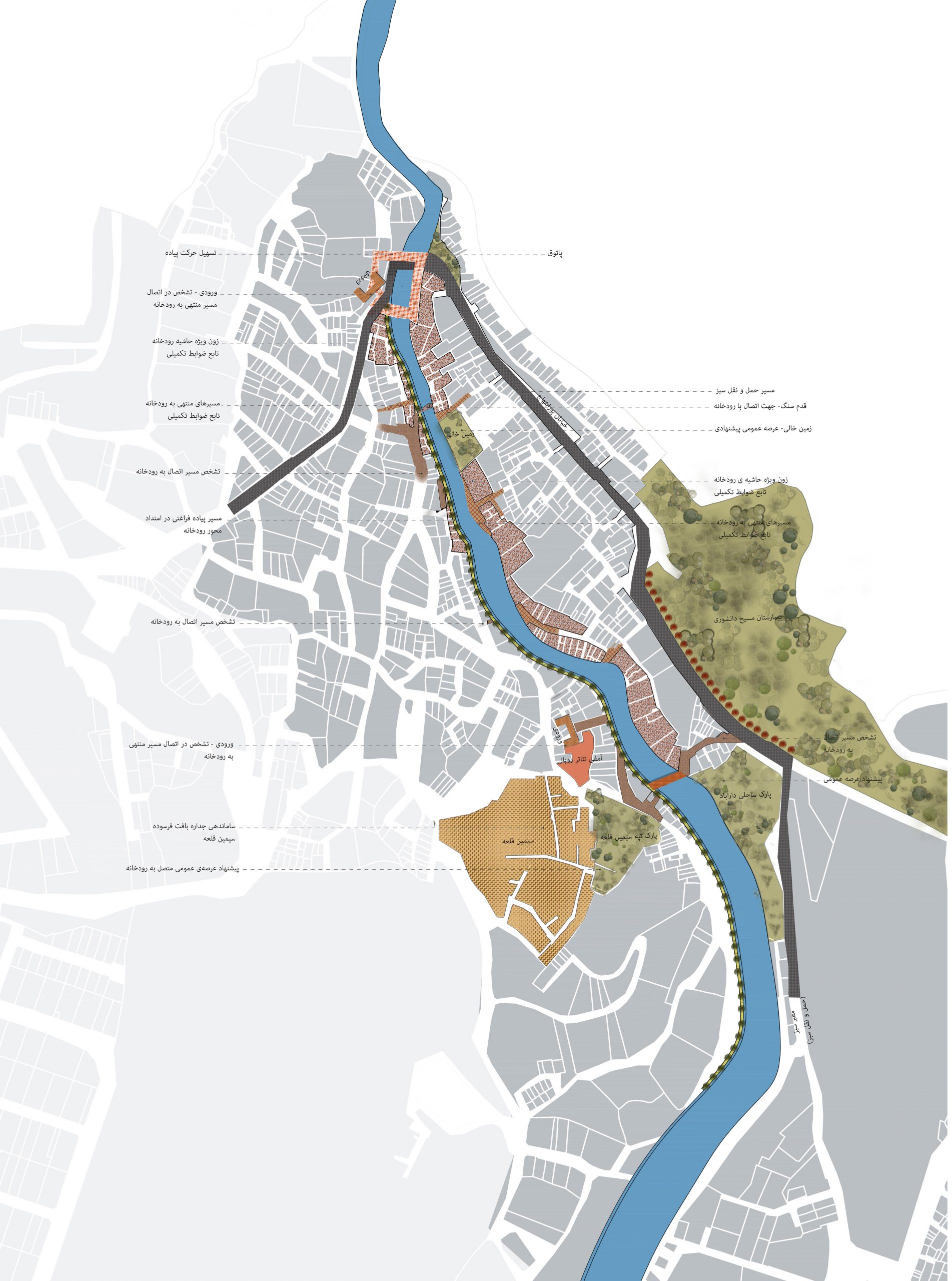
Generally, the project is carried out in a 5-level process in the form of a hierarchical spatial structure of integrated restoration of intermittent streams. Affecting spatial levels of the intermittent streams’ characteristics are: macro level (including Tehran city and the drainage basin of Zargandeh intermittent river), immediate area (including social, physical and spatial, hydrological, physiographical, and natural resources in Tehran’s Municipal District 3 area), direct intervention area (homogenous areas for urban planning, natural, and public participation) and special direct intervention area (spots with special opportunities for riparian restoration)


Site A: Nil Vehicular Passage

Goal: Reducing the role of the vehicular passage in the neighborhood

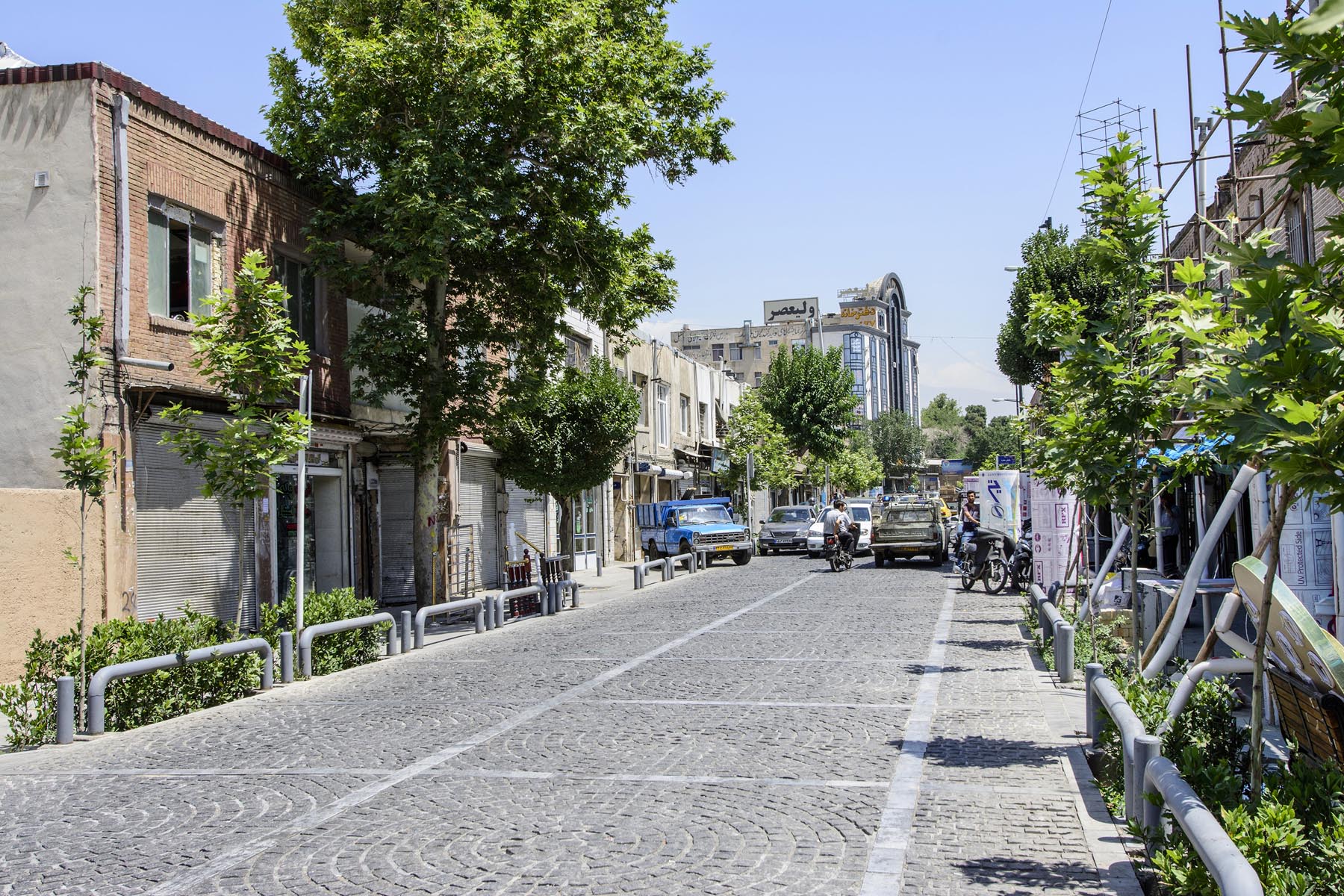
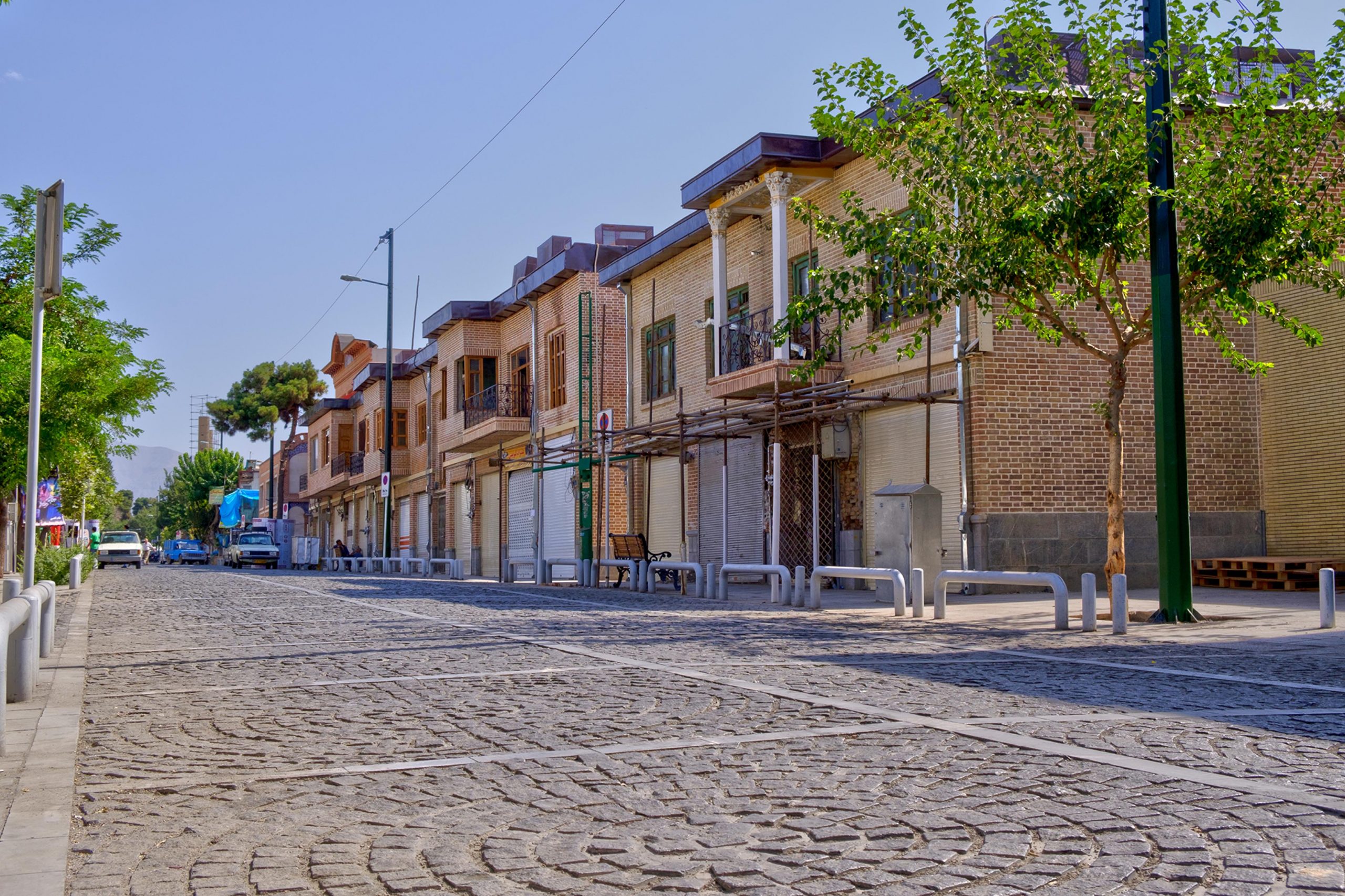
Solution: Because of the high costs of cobblestone paving in this area, there are only the two solutions to reduce the role of Nil passage in the neighborhood, namely, “reducing the vehicular width to at least 6 meters” and “establishing a one-way street from Takharestan to Eastern Pirouz St.”.


Site B: Nil Intermittent River’s Western Pedestrian Passage

Goal: Dedicating the western passage of the intermittent river to the main local pedestrian axis which connects the neighborhood center to Mirdamad axis

Solution: Providing the axis with appropriate pavement and furniture, minimum pedestrian width is 3.5 meters and minimum green spaces margin width is 1.5 meters.


Site C: Residential Block Including Two Parcels

Goal: Stimulating the development of the neighborhood center and creating social spots in connection with the neighborhood center

Solution: Community service projects can be defined in this spot by mixing the solutions of “activating the ground floor” and “creating opportunities for investors to define mixed-use projects” which creates the opportunities to release the lower floors and reinforce the connection of the project with the neighborhood center. Also, this provides the necessary services of the neighborhood in the upper floors


Site D: A Residential Block

Goal: Creating liveliness and environmental and spatial diversity aligned with the pedestrian axis and granting the natural qualities of the neighborhood to the pedestrians

Solution: “Releasing the land lot for the public profit” will be exorbitant because of the acquisition cost of the properties. Thus “releasing a part of the yard of the land lot for the urban space uses” can be used as an in-between solution. Considering the presence of a maintainable building in the property, transparency of walls and use of fences will also affect the privacy of the aforementioned building.

با توسعه روز افزون طی سال‌های متمادی در تهران، مسيل‌هايی که استخوان‌بندی شهر تهران بر پايه آن‌ها شکل گرفته‌است و نقطه قوتی برای حيات شهری بوده‌است، دیگر تهديدی محيطی به حساب آمدند. مشکلات سیل‌گیری ناشی از ساخت و سازهای بی‌رویه و مدیریت کاملا ساختاری فضاهای شهری، مدیران شهری را بر آن داشت تا مسیل‌های تهران را درون دیوارهای بتنی کنترل کنند. این تصمیمات مدیریت حوضه‌های آبی شهری، به مرور استخوان‌بندی جديد تهران را رقم زد. در این ساختار فضایی جدید، رودخانه‌ها و مسیل‌های شهر تهران با پوشانده‌شدن يا محبوس شدن در ميان ديوارهای بتنی از زندگی شهروندان محو گرديدند. مطالعات و تهیه طرح احیای مسیل‌های منطقه ۳ شهرداری تهران (غیاثوند، زرگنده، نیل)، با هدف برقرای تعامل پویای میان مسیل‌ها و شهروندان با رویکرد بهبود کیفیت اکولوژیکی جریان آب و سهولت حرکت ودسترسی انجام گرفته‌است.
به لحاظ موقعیت هیدرولوژیکی، مسيل نيل در حوضه آبريز رودخانه ولنجک تا قبل از تلاقی با مسيل مقصودبيک (پايين دست بزرگراه رسالت)، مسيل زرگنده در حوضه آبريز رودخانه مقصودبيک تا تقاطع آن با بلوار ميرداماد و حوضه آبريز رودخانه مقصودبيک تا قبل از تلاقی با مسيل شهميرزاد و مسيل غياثوند در حوضه آبريز رودخانه جمشيديه و در حوضه مسيل غياثوند تا تقاطع خيابان بنی‌هاشم قرار گرفته‌است. پروژه حاضر صرفا برای آن بخشی از این سه مسیل تعریف گشته که در محدوده منطقه ۳ شهرداری تهران قرار گرفته‌است.
مسیل غیاثوند با نقش محور سبز فعال محلی، مسیل زرگنده به عنوان محور تفرجی پیاده پشتیبان خیابان شریعتی و مسیل نیل با عملکرد محور سبز مرتبط‌کننده عناصر فرهنگی- ورزشی؛ به عنوان مسیرهای سبز منطقه ۳ تعریف شدند که با مجموعه ای متنوع از پارک ها، مسیر های پیاده، فضاهای شهری و فعالیت های پذیرایی و خدماتی، محورهای جذاب پیاده روی را برای ساکنین محل و منطقه ۳ شهر تهران مهیا می‌سازند.

به طور کلی پروژه در طی فرآیندی ۳ سطحی در قالب یک ساختار فضایی سلسله مراتبی ساماندهی یکپارچه مسیل ها دنبال شده‌است. سطوح فضایی تأثیر‌گذار بر خصوصیات مسیل‌ها عبارت‌اند از: حوزه کلان (شامل شهر تهران و حوزه آبخیز مسیل زرگنده)، حوزه بلافصل (در برگیرنده مرزهای اجتماعی، حرکتی، کالبدی و فضایی، هیدرولوژی، فیزیوگرافی و منابع طبیعی در محدوده منطقه ۳ شهرداری تهران)، حوزه مداخله مستقیم (گستره‌های همگن به جهت حوزه‌های شهرسازی، طبیعی و مشارکت مردمی) و حوزه مداخله مستقیم ویژه (لکه‌هایی با فرصت‌های ویژه جهت ساماندهی رودکناری).

موضع الف: معبر سواره نيل

هدف: كم كردن نقش معبر سواره نيل در محله

راهكار: به دليل هزينه‌های زياد كفپوش‌ها در اين موضع صرفا از راهكار كاهش عرض سواره به حداقل ممكن ۶متر و يک طرفه كردن مسير از بهارستان تا كوچه پيروز شرقی در جهت كم‌رنگ‌تر كردن معبر نيل در محله استفاده شده‌است.

موضع ب: معبر پياده غربی مسيل نيل

هدف: اختصاص دادن معبر غربی مسيل به محور اصلی پياده محلی كه مركز محله را به محور ميرداماد متصل می‌كند.

راهكار: آماده‌سازی بستر محور با كف‌سازی و مبلمان مناسب، حداقل عرض پياده ۳.۵ متر و حداقل عرض فضای سبز حاشيه مسيل ۱.۵ متر در نظر گرفته شده‌است.

موضع ج: بلوک مسکونی شامل دو پلاک

هدف: تحريک توسعه مركز محله و تشكيل كانون اجتماعی در ارتباط با مركز محله

راهكار: با تركيب راهكار فعال‌کردن طبقه همكف به نفع خدمات عمومی و فضای باز در ارتباط با مركز محله و ايجاد فرصت برای سرمايه‌گذاران برای تعريف پروژه‌های مختلط مسكونی و يا پروژه‌های غير‌ مسكونی و كنترل آن توسط مديريت شهری می‌توان پروژه خدماتی در اين نقطه تعريف نمود كه از طرفی با آزاد ساختن طبقات تحتانی ارتباط پروژه را با مركز محله محكم‌تر می‌سازد و از طرف ديگر خدمات مورد نياز محله در طبقات فوقانی تعريف خواهد‌شد.

موضع د: يک پلاک‌مسكونی

هدف: ايجاد طراوت و تنوع محيطی و فضايی در طول محور پياده و بهره‌مند شدن عابرين از كيفيت طبيعی در محله.

راهكار نهايی: به دليل هزينه‌های ناشی از تملک كل ملک از آزاد‌سازی عرصه ملک به نفع عموم به عنوان راهكار بينا‌بين می‌توان استفاده كرد. ( قسمتی از حياط مجموعه فوق را درخدمت فضای شهری آزاد نمود) با توجه به حضور يک ساختمان قابل نگهداری در اين ملک، شفاف‌سازی ديوارها و استفاده از حصار يا نرده نيز حريم شخصی ساختمان مذكور را تحت شعاع قرار خواهد‌داد.

Landscape Design for Pamenar Street

Landscape Design for Pamenar Street

Project Info
Year:
Client:
Size:
Status:
Location:
Type:
Program:
2016
Tehran Municipality, Region 12
1.2 Hectares
Constructed
Tehran, Iran
Commission
Commission
Partner in Charge:Hamidreza Mousavi
Project Management:Shadi Azizi
Lead Designer:Ali Naghavi Namini
Architectural Design Coordination:Amir Lakpour
Urban Design Coordination:Mohammadmahdi Zanjanian
Design Team:Niloufar Ahmari, Shirin Moshiri, Atiyeh Akrami, Zahra Fathi, Shiva Ashrafi
Study Team:Marjan Shojaie, Shadnaz Azizi
Technical Design:Amir Lakpour
Civil Engineering:Hani Yazdi
Mechanical Engineering:Alireza Ghazizadeh
Electrical Engineering:Reza Habib
Project Control:Mahsa Mirsamadi
Construction Supervision:Amir Lakpour
Presentation:Nahal Kashani, Niloufar Soudmand, Masoumeh Hosseinzadeh
Photography:Meysam Jalili

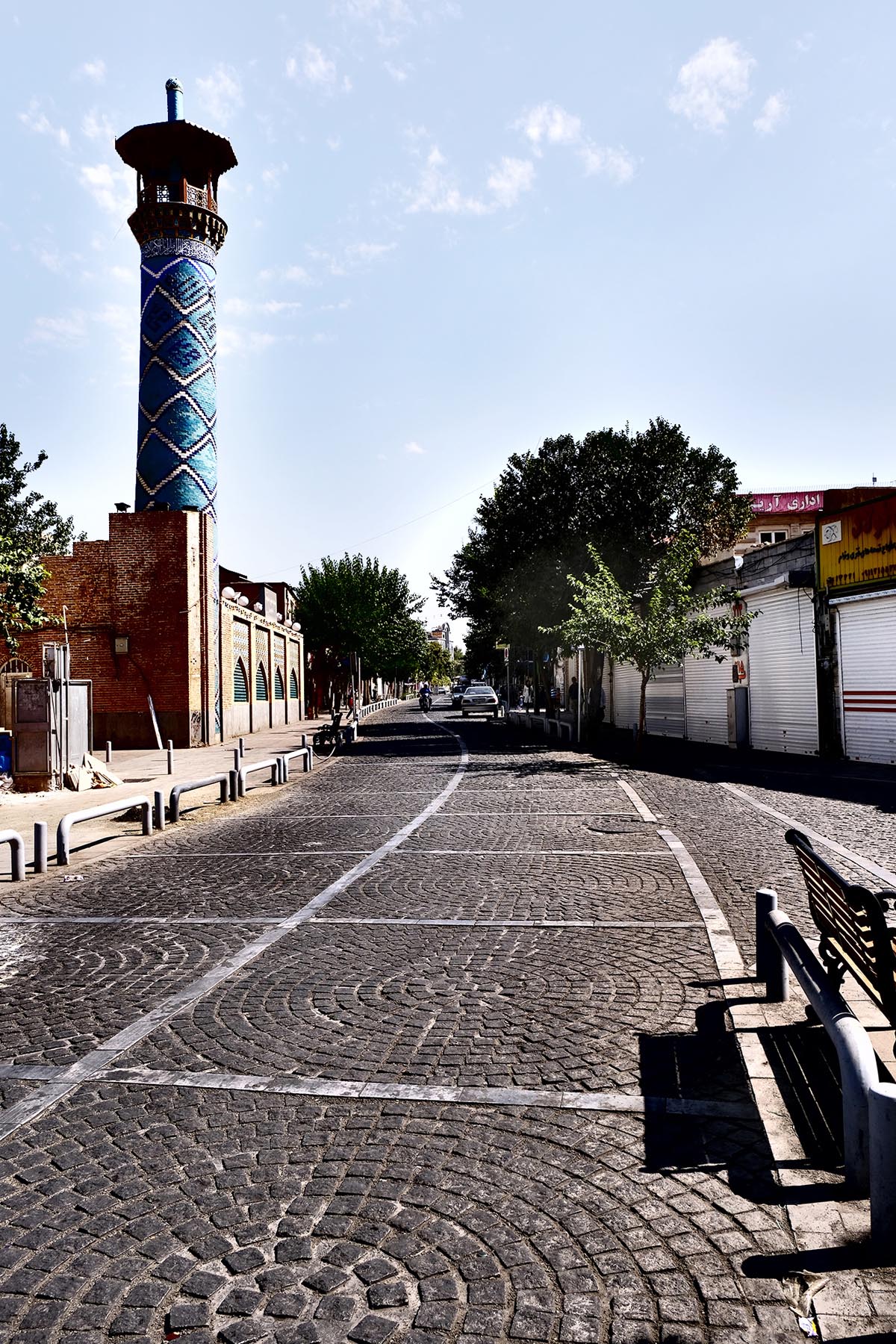
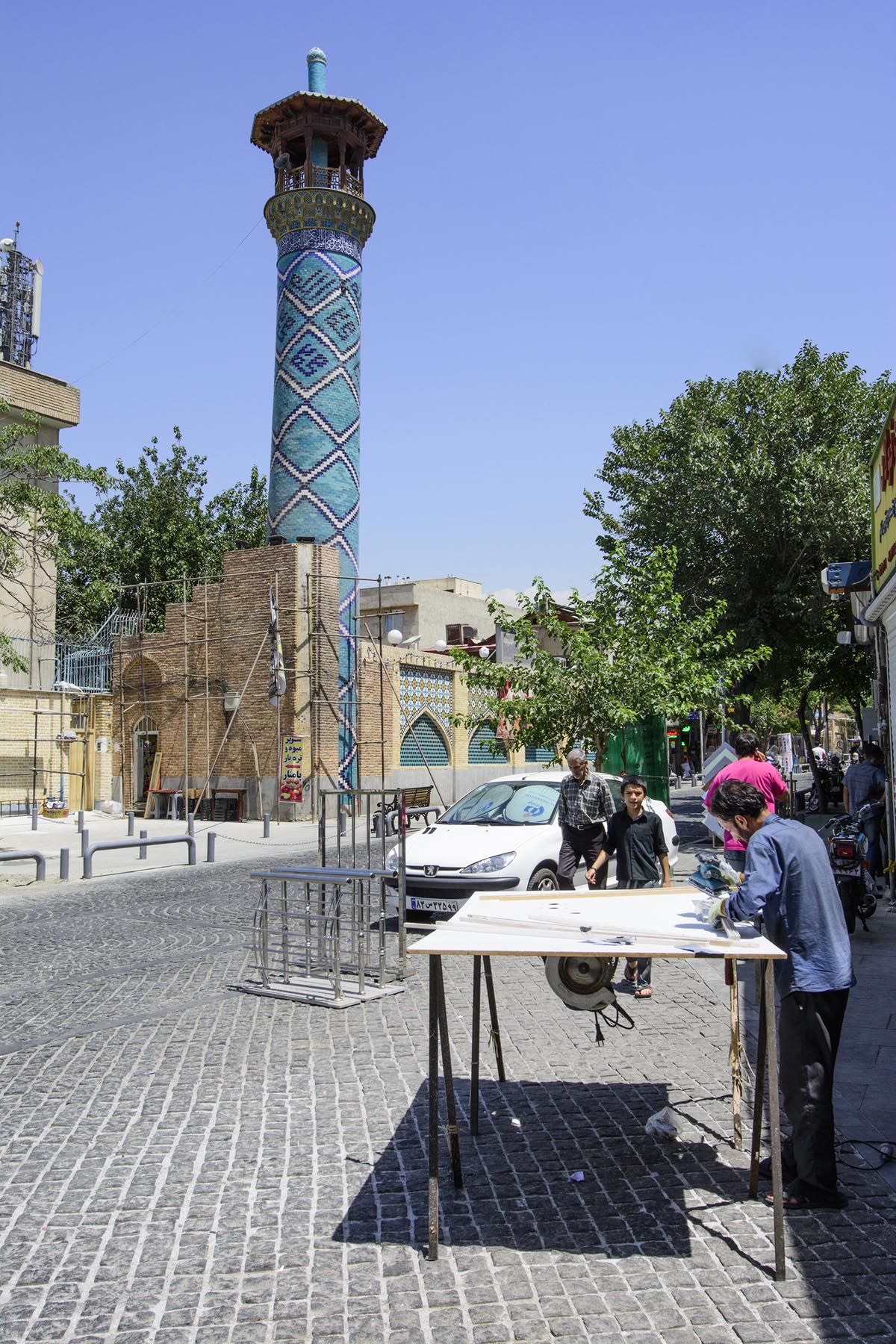
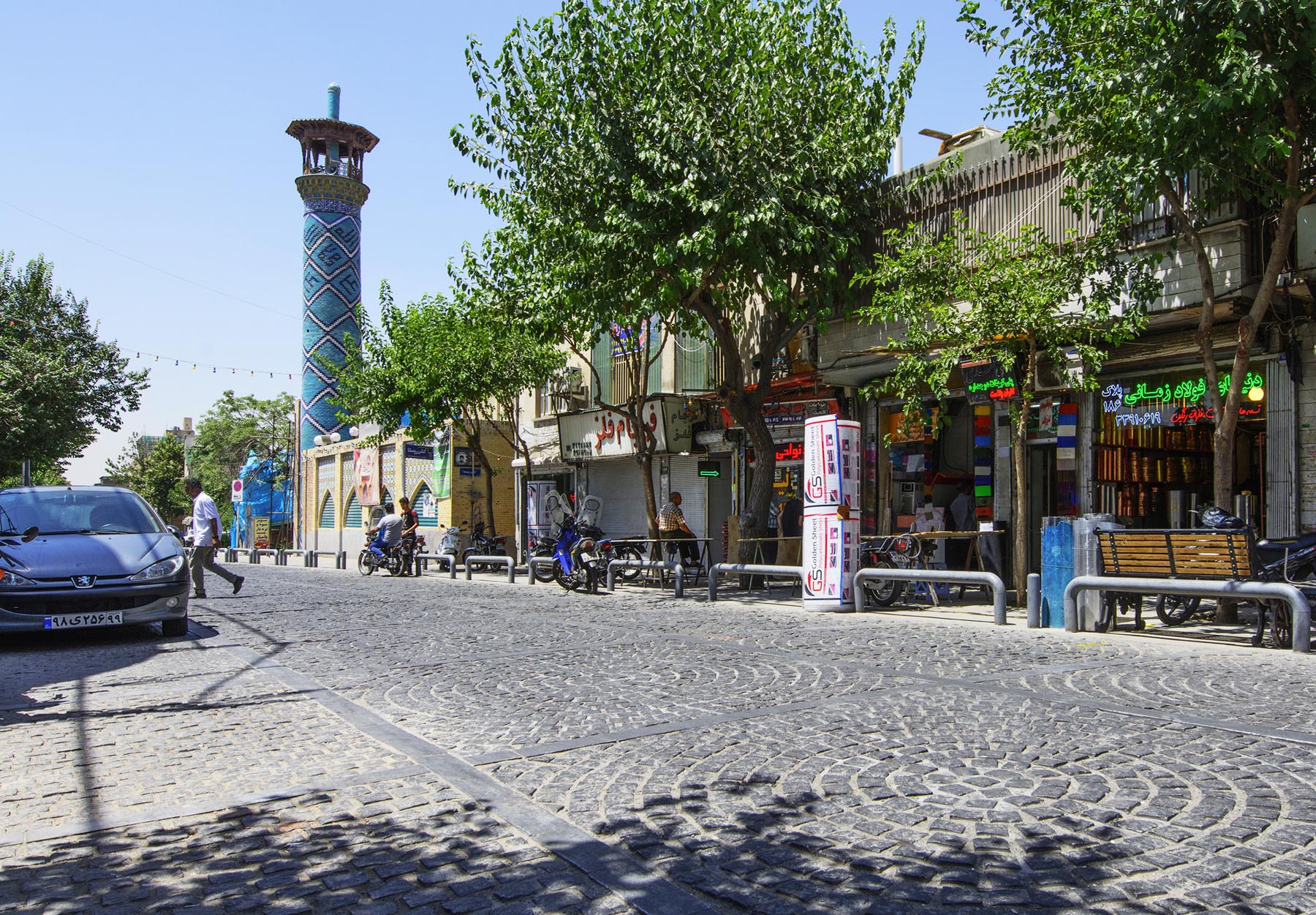
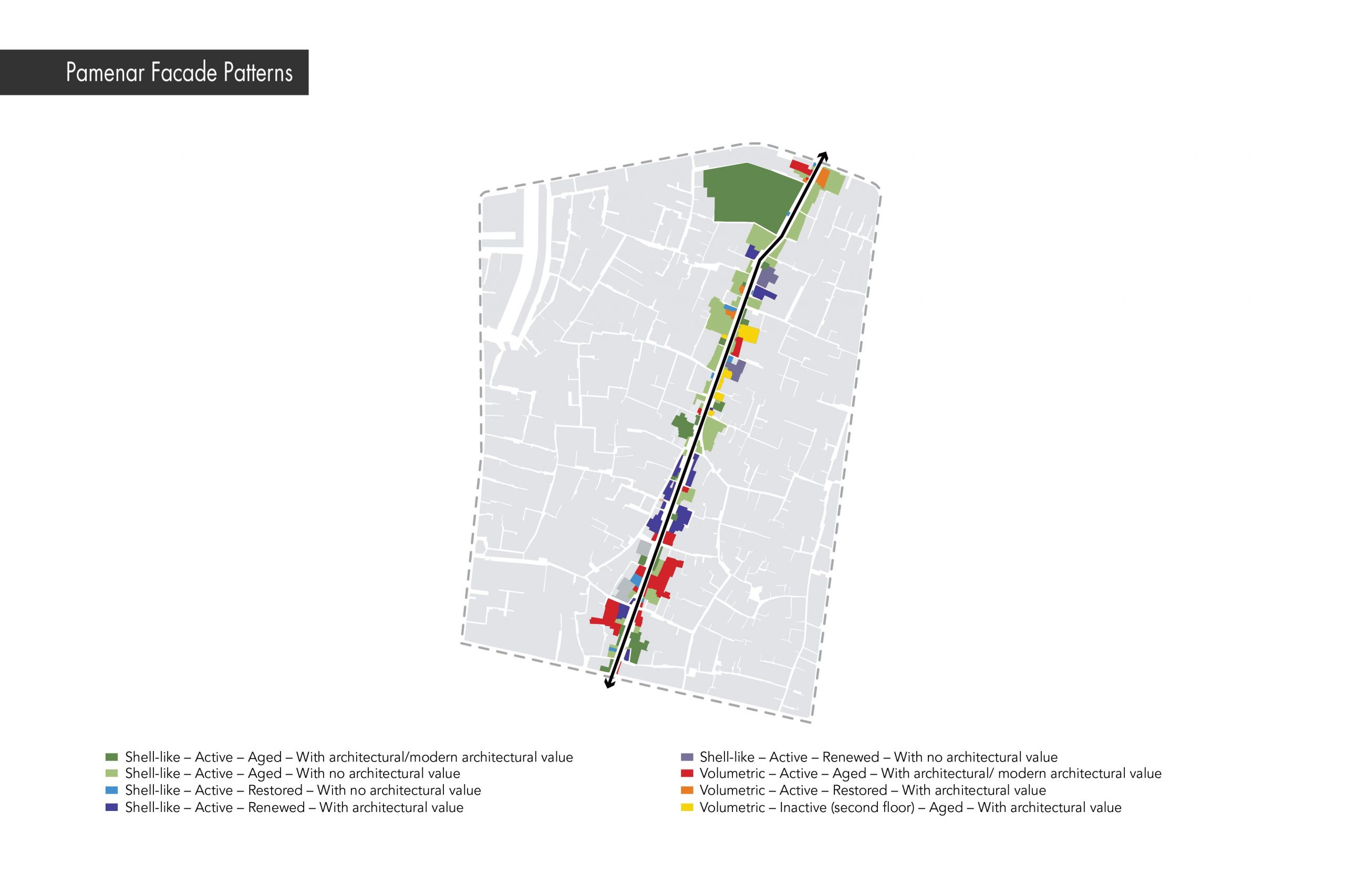
During the recent decades, ‘Pamenar’ has transformed from an old residential neighborhoodto a commercial and economic area and the center of the union of metalworkersand the plastic sellers, but the traces of the architecture of the Safavids up until the second Pahlavi dynasty are still visible. Although we shouldn’t presume that this district in the past has only been residential; on the contrary, because of its political importance, Pamenar has always been filled with merchants and traders, therefore many caravansaries used to exist there but these caravansaries were gradually destroyed and turned into shopping centers.

In other words, Pamenar in the past was also a pack station, and with the passage of time it became more and more economic-oriented, and in parallel with this economic importance, heavy traffic, environmental pollutions, noise, polluted air, and the lack of enough security for the residents in this neighborhood, the locals gradually migrated from this area. 

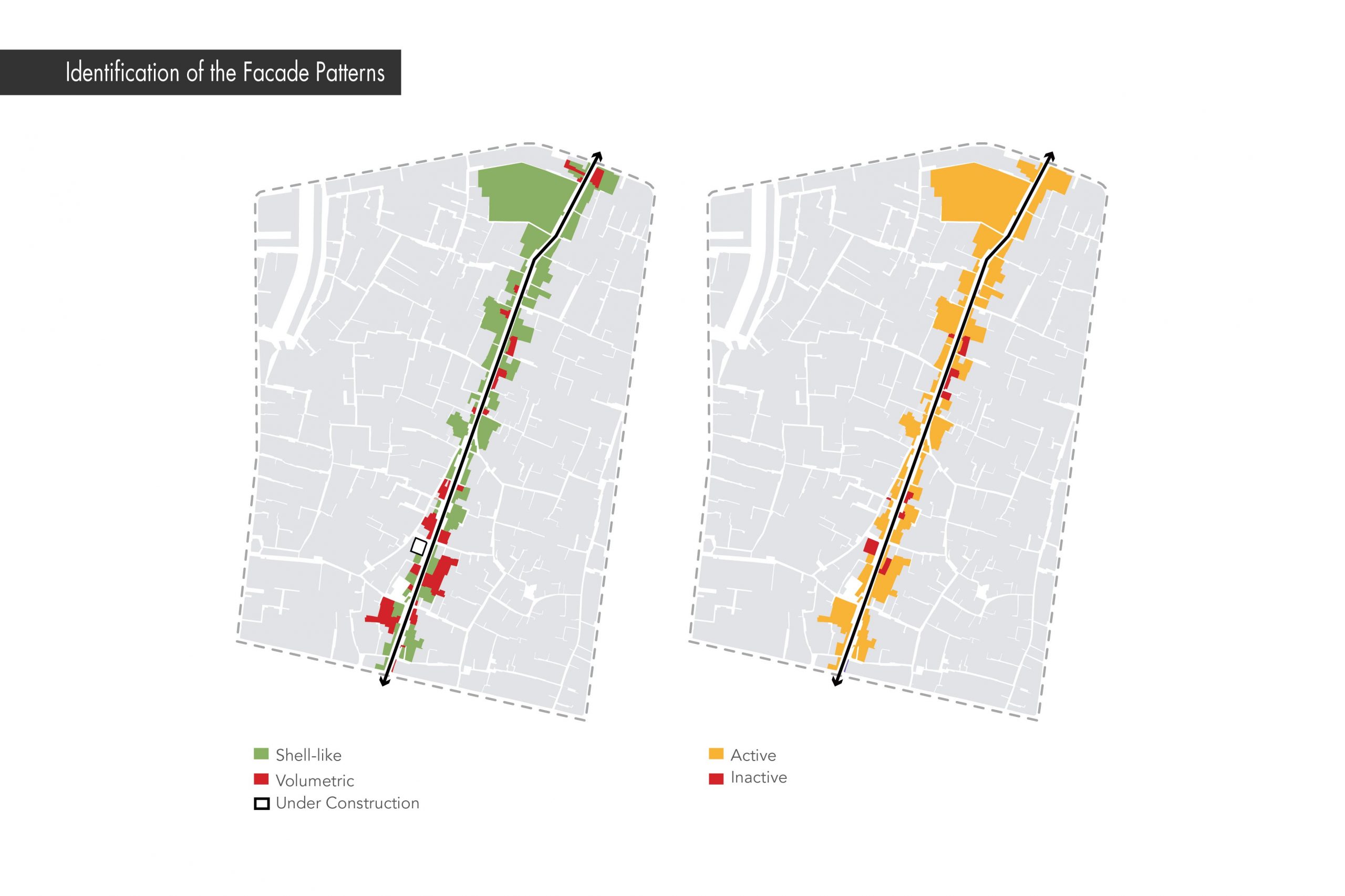
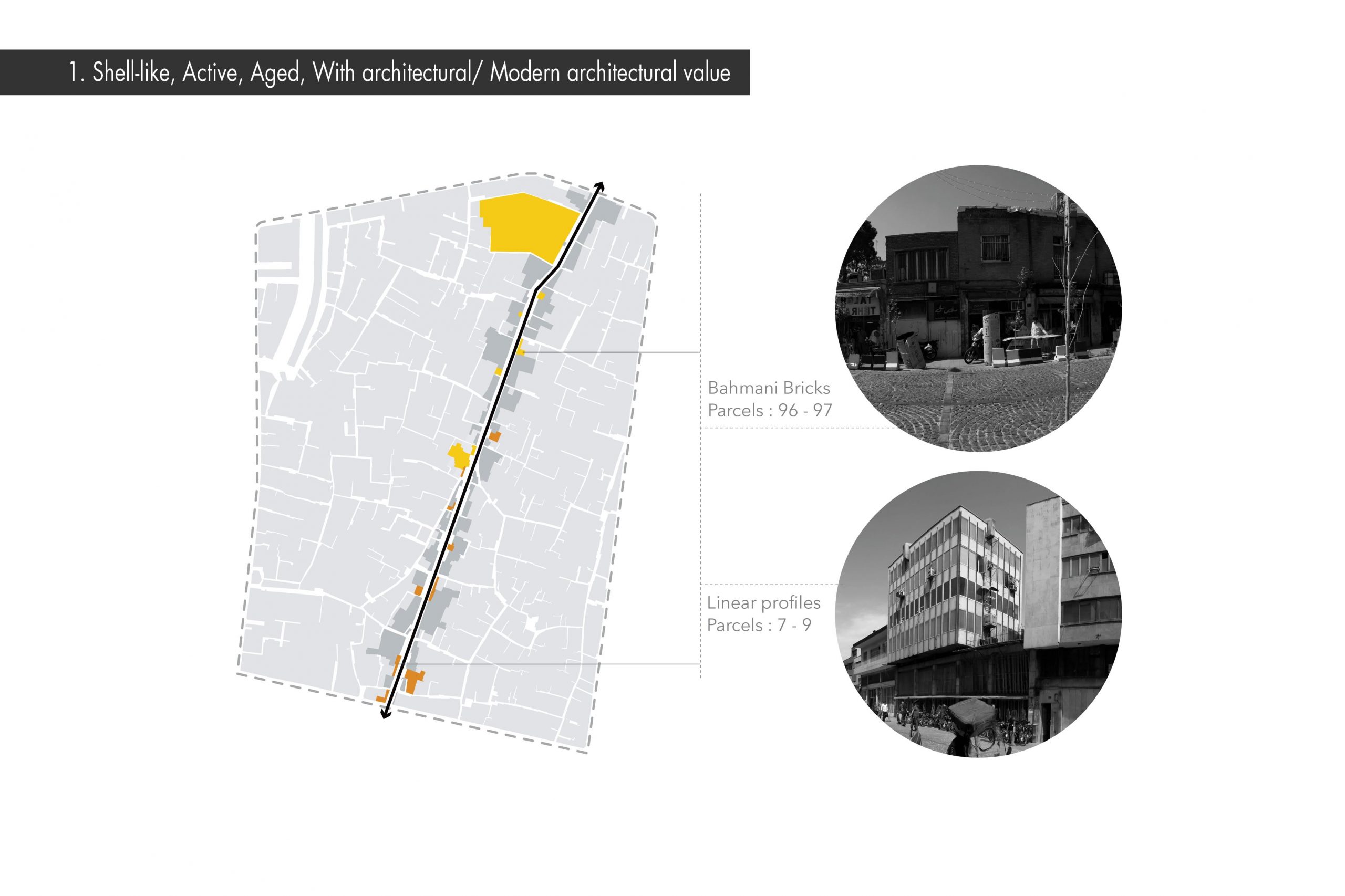
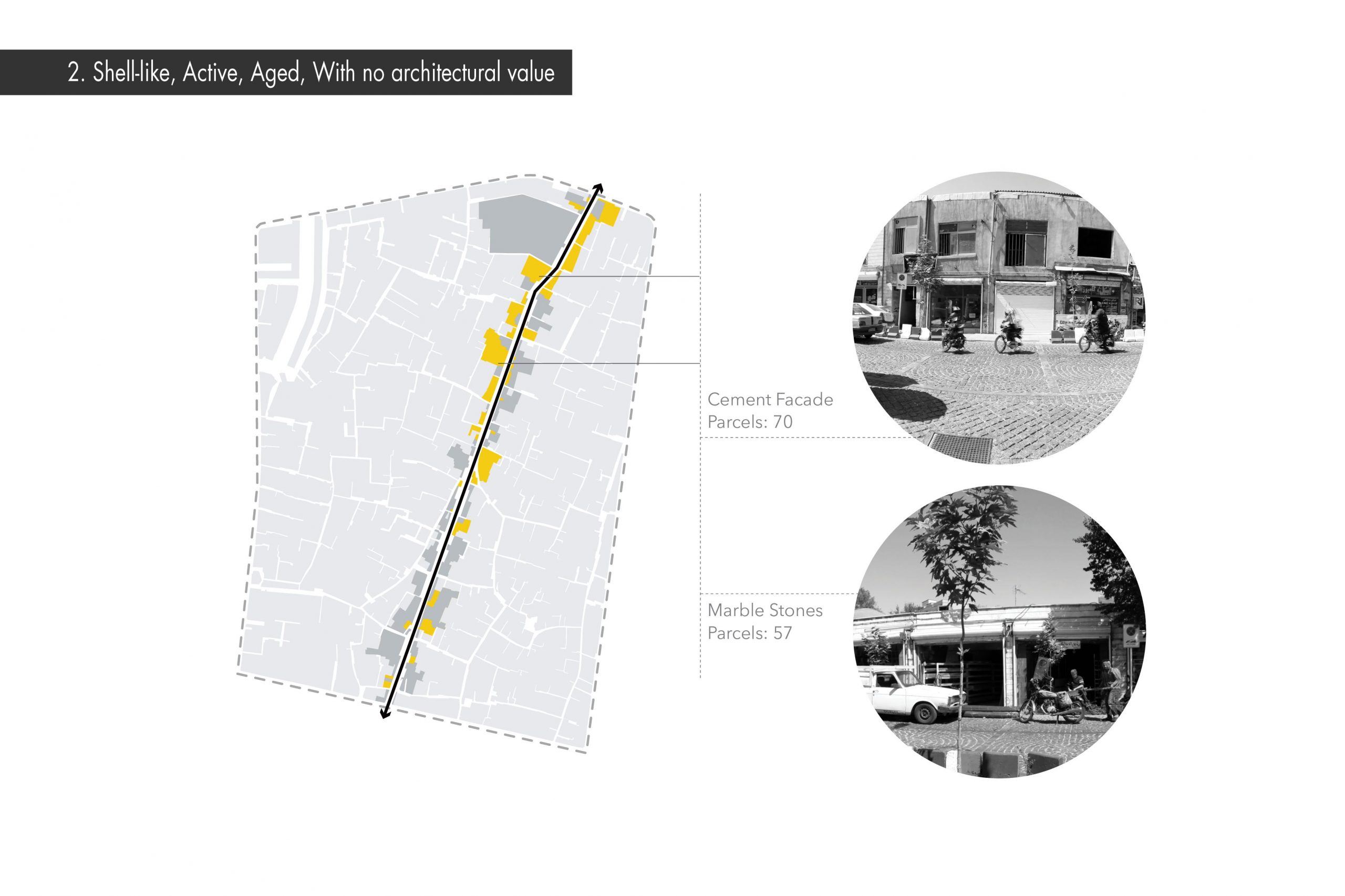
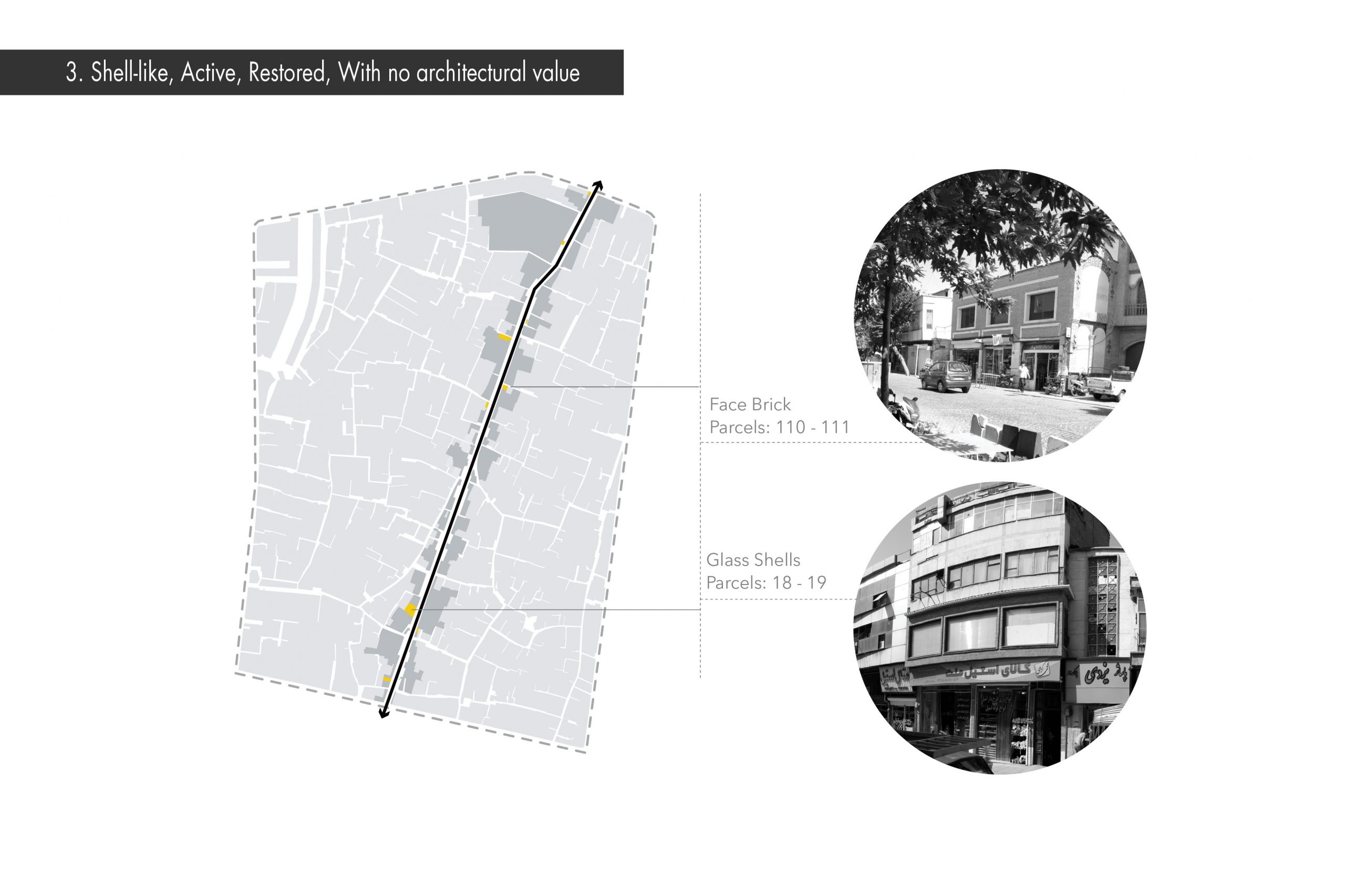
It is worth mentioning, the main purpose of this study is to provide two important design outputs, namely landscape and urban front.. Furthermore, because Pamenar is one of the most important historical axes of Tehran, it is crucial that the interventions happening in it, nor be so physically big that this historical axis finds a new face entirely,

neither be so different from a planning perspective that it results in major changes in this street. As a result, interventions are suggested on three levels:

Level 1: improvements on the quality of the existing situation

Level 2: renewals based on the suggested regulations of the detailed plan

Level 3: renewals with the consideration of the capacity of Pamenar Street 

محله پامنار يکی از از نخستين محله‌های تهران قديم بوده که بر اساس اسناد تاريخی، قدمتی به اندازه تاريخ تهران دارد و شکل‌گيری محله پامنار را هم‌زمان با پيدايش تهران به عنوان يک شهر و پايتخت می‌دانند.

طی دهه‌های اخير محله خيابان پامنار از محله قديمی و سکونتگاهی به محله تجاری و اقتصادی و محل استقرار صنف فلزات سنگين و پلاستيک فروش‌ها تبديل شده‌است، اما همچنان ردپاهايی از معماری دوران صفويه تا پهلوی دوم در اين محله ديده‌می‌شود. البته نبايد اينگونه تصور کرد که اين محله در گذشته تنها مسکونی بوده؛ بلکه پامنار به دليل اهميت سياسی؛ محل رفت و آمد تاجران و بازرگانان بوده‌است و به همين دليلی کاروان سراهای متعددی در اين محله ايجاد شده اما به مرور زمان اين کاروانسراها تخريب و به پاساژ تبديل شده‌اند. به عبارتی در گذشته محله پامنار «بارانداز» نيز بوده و به مرور زمان مرکزيت اقتصادی اين محله شدت بيشتری گرفته و به موازات اين اهميت اقتصادی روزافزون، با ايجاد ترافيک سنگين و آلودگی‌های زيست محيطی، صوتی، آلودگی هوا و پايين آمدن امنيت برای سکونت در اين منطقه، افراد ساکن محلی به مرور از محله پامنار مهاجرت کردند.

لازم به يادآوری است هدف اصلی از انجام اين مطالعات تسهيل و فراهم کردن مقدمات دو خروجی مهم طرح، يکی طرح کف معبر و ديگری طرح جداره آن است. علاوه بر اين، از آنجا که خيابان پامنار يکی از مهم‌ترين محورهای تاريخی تهران است، بسيار اهميت دارد مجموع مداخلاتی که در آن صورت می‌گيرد نه از نظر کالبدی آن قدر عظيم باشد که به کلی چهره تازه‌ای برای اين محور تاريخی رقم بزند، و نه از نظر برنامه‌ای آن قدر متفاوت باشد که به صورت بطئی موجب تحولات عمده در اين خيابان شود. در نتيجه مداخلات در سه سطح پيشنهاد شده‌است که عبارت‌اند از:

سطح (۱): ارتقا کيفيت وضع موجود

سطح (۲): نوسازی بر مبنای ضوابط پيشنهادی طرح تفصيلی

سطح (۳): نوسازی با در نظر گرفتن ظرفيت خيابان پامنار

Farahzad River-Valley Restoration and Nahjolbalagheh Park Design and Development

Farahzad River-Valley Restoration and Nahjolbalagheh Park
Design and Development

Project Info
Year:
Type:
Program:
Client:
Collaborator(s):
Size:
Location:
Status:
2019
Commission
Strategic Plan
Tehran Municipality, Region 2
Mana Sanat, Parsaray Koohestan
12.5 hectares
Tehran, Iran
Constructed
Partner in Charge:Shadi Aziz, Ali Naghavi Namini
Project Management:Hamidreza Mousavi
Lead Designer:Mohammadmahdi Zanjanian
Design Team:Hesam Tavassoli, Milad Heidari, Farnaz Farshad, Arezoo Khamesi, Yalda Seirafi, Shirin Moshiri, Pooyan Bizet
Site Appraisal Studies:Sayeh Faridtehrani, Marjan Khanzadeh
Technical Design:Abbas Fotouhi, Hesam Tavassoli, Milad Heidari
Civil Engineering:Mostafa Aflatouni, Hani Yazdi
Geotechnics:Mohammadreza Alizadeh, Mehrnoosh Sadeghipour
Mechanical Engineering:Nima Vahedi
Electrical Engineering:Reza Habib
Project Control:Mahsa Mirsamadi
Construction Supervision:Abbas Bakhtiari, Gholamreza Shiryazdani, Ali Khansari
Photography:Meysam Jalili

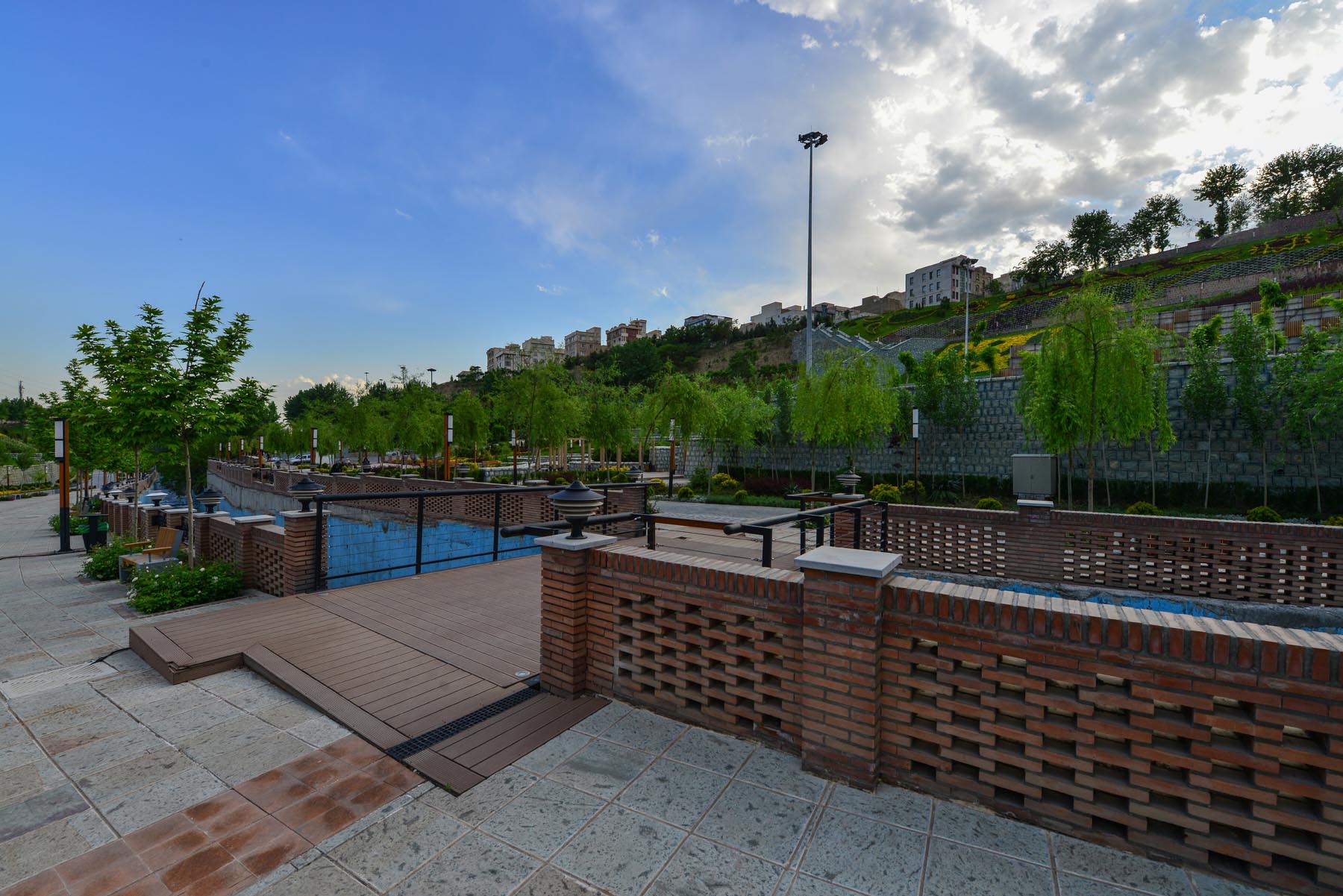
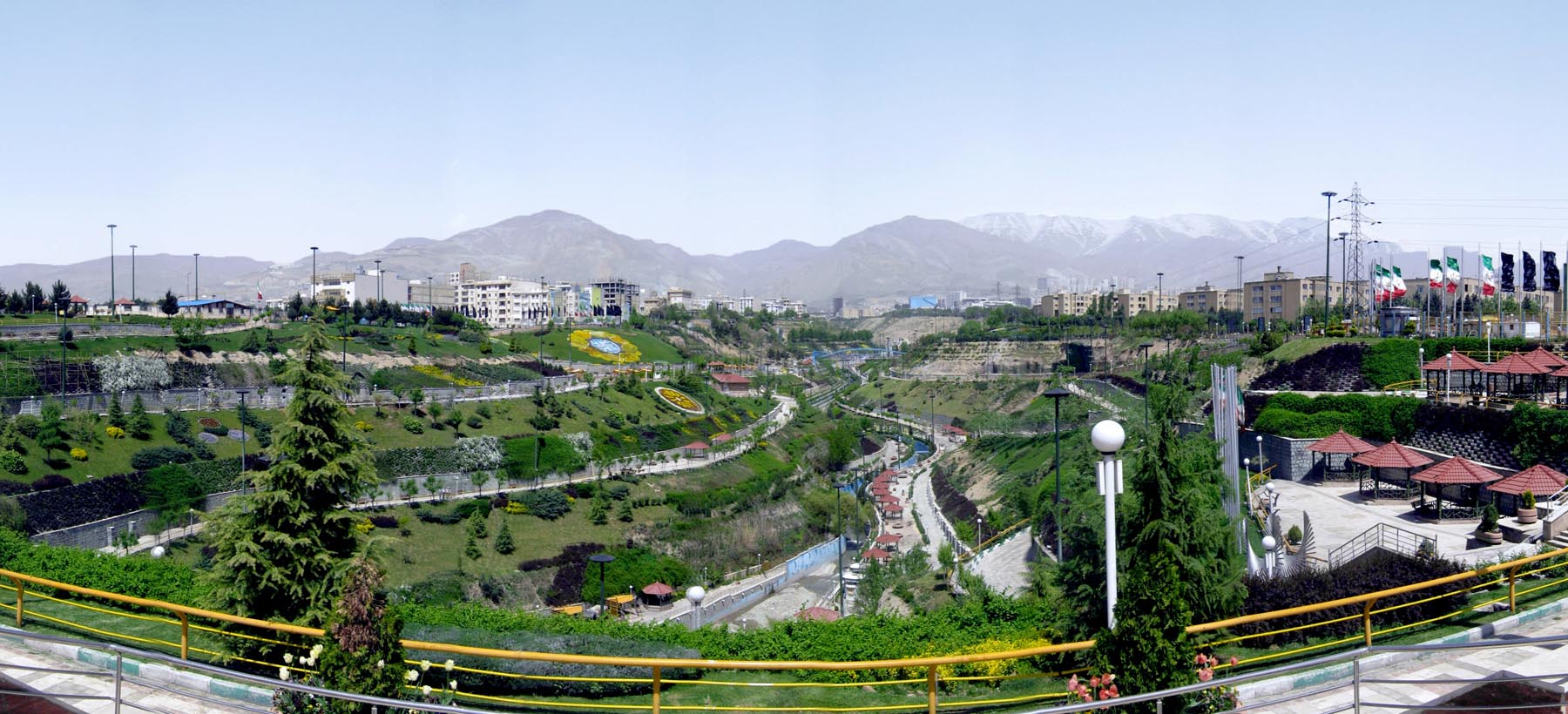
Farahzad river route is a natural north-south axis in the city of Tehran extending approximately 10 kilometers from the north of Farahzad valley to Sadeghieh square. In 2013, due to environmental and social problems of the surrounding urban texture, including urban texture rupture, lack of open spaces for social interactions, low water quality, lack of green space structure and construction in the riverbed, Farahzad River master plan and the design of Nahj al-Balagheh Park was prepared.

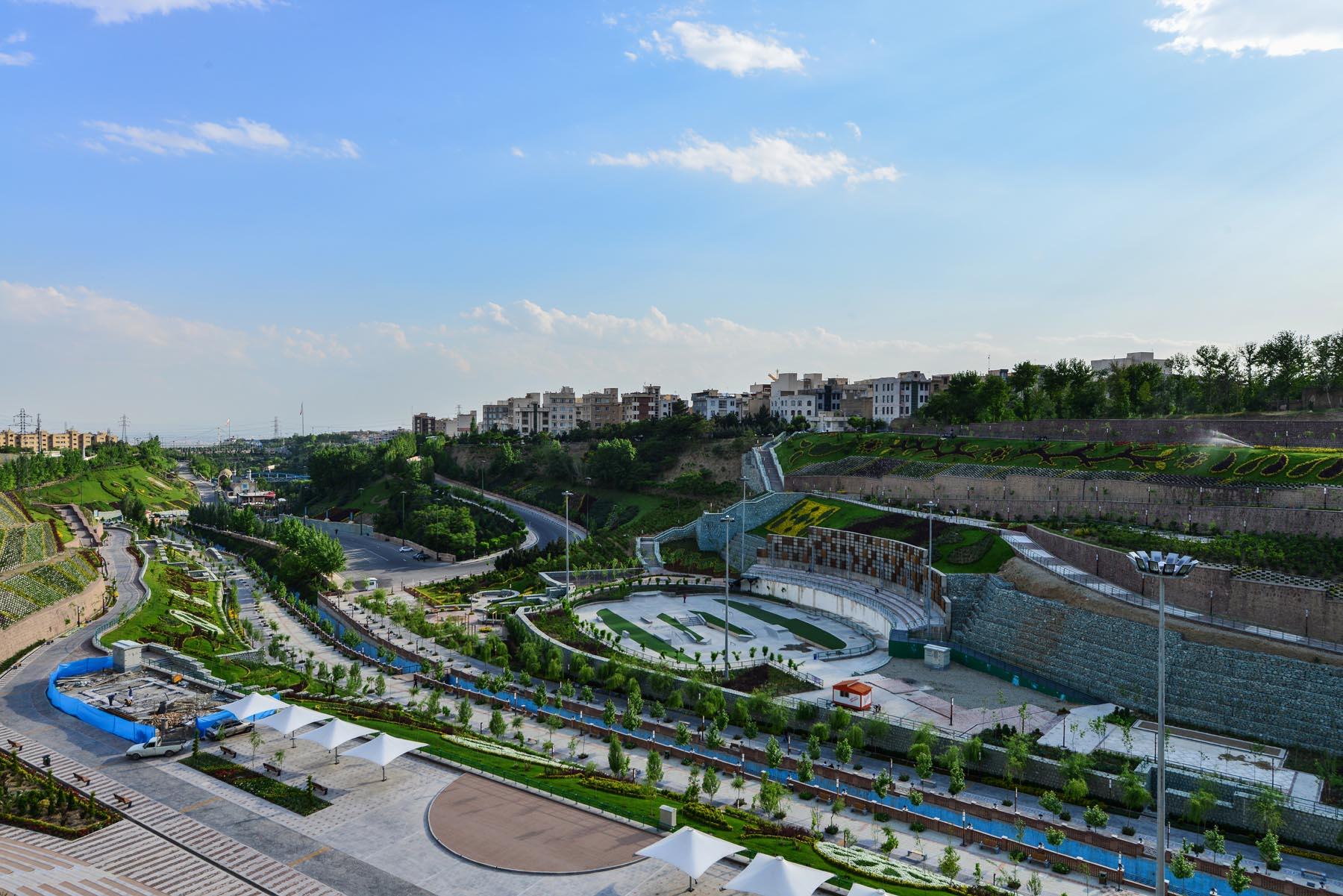
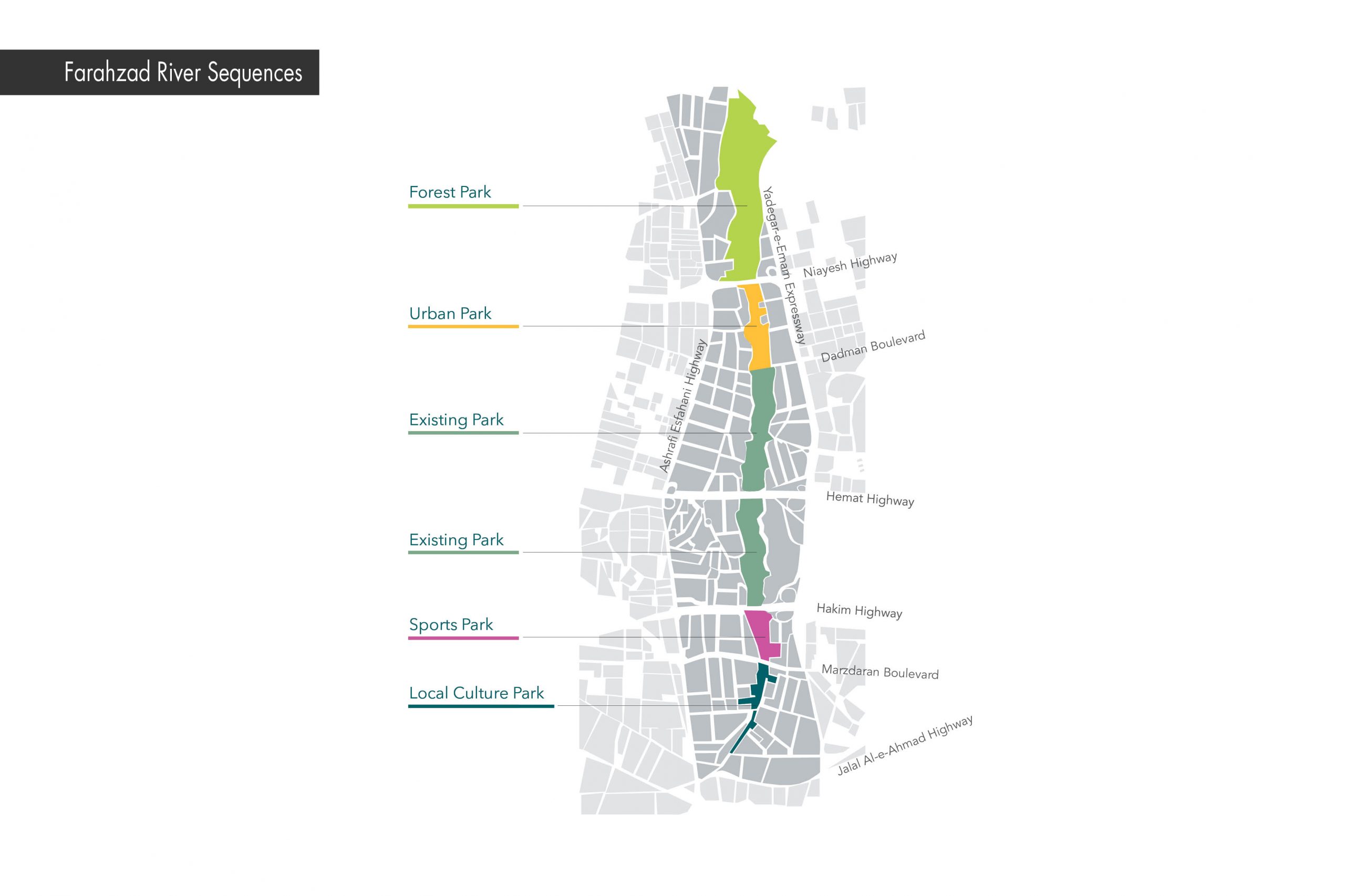
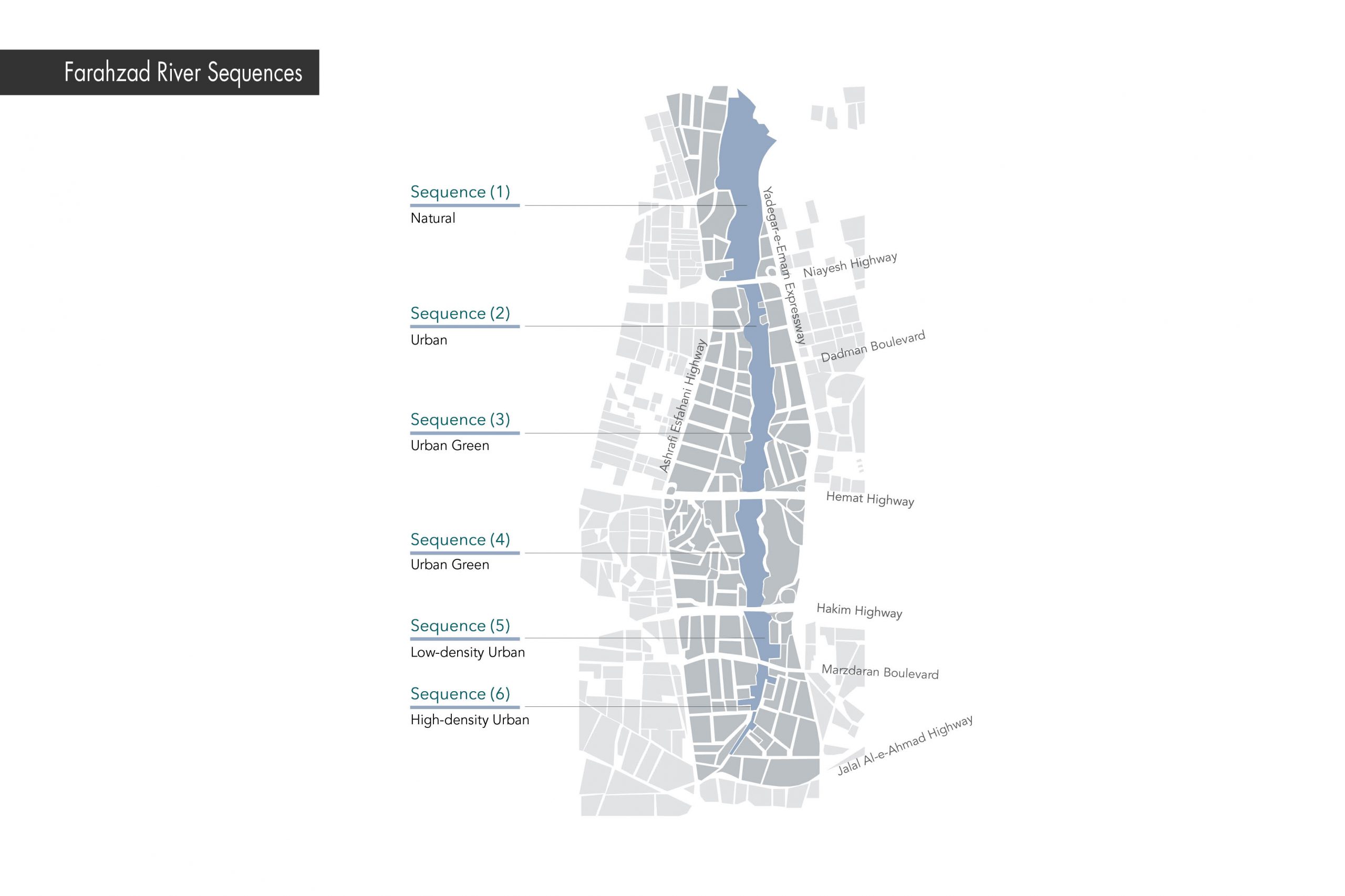
In the comprehensive plan of Farahzad River, to connect the abandoned areas around ​​the river to the city, specific areas were sequenced to be designed. These areas have formed the Nahj al-Balagheh Park (between Niayesh Highway and Eyvanak Boulevard), Sports Park (between Hakim Highway and Marzdaran Boulevard), and Farhang Park (between Marzdaran Boulevard and Jalal Al-Ahmad Highway).

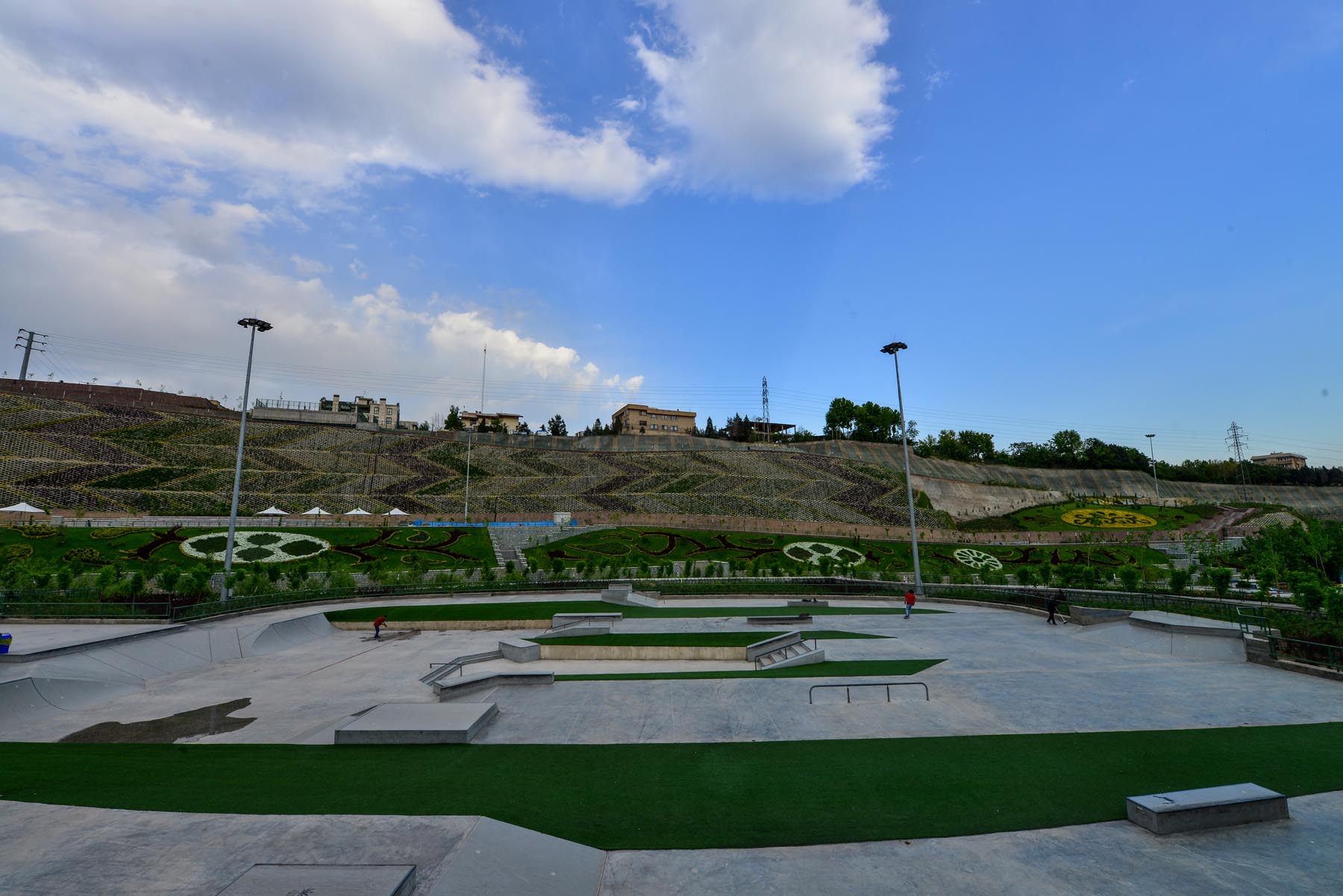
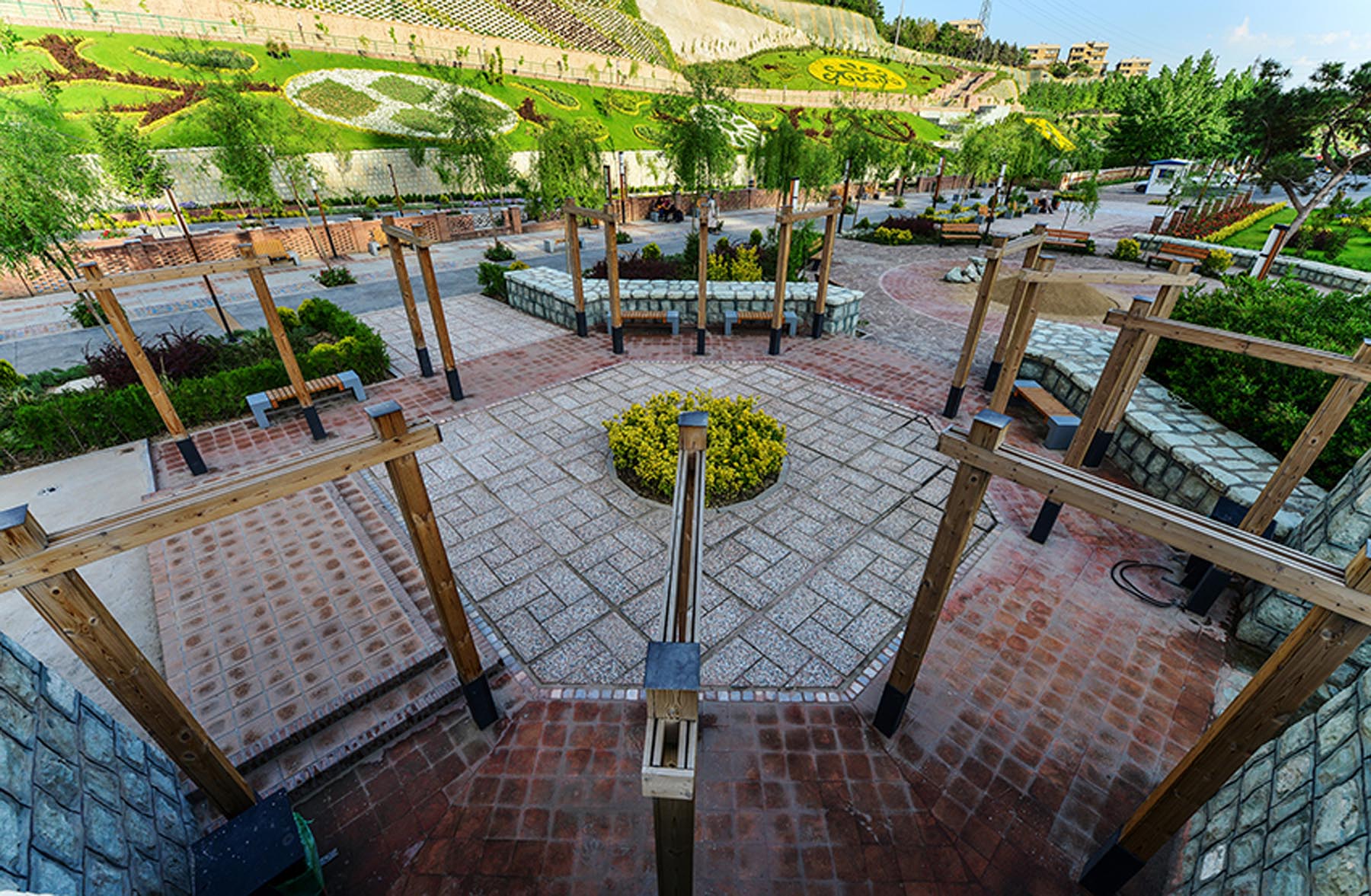
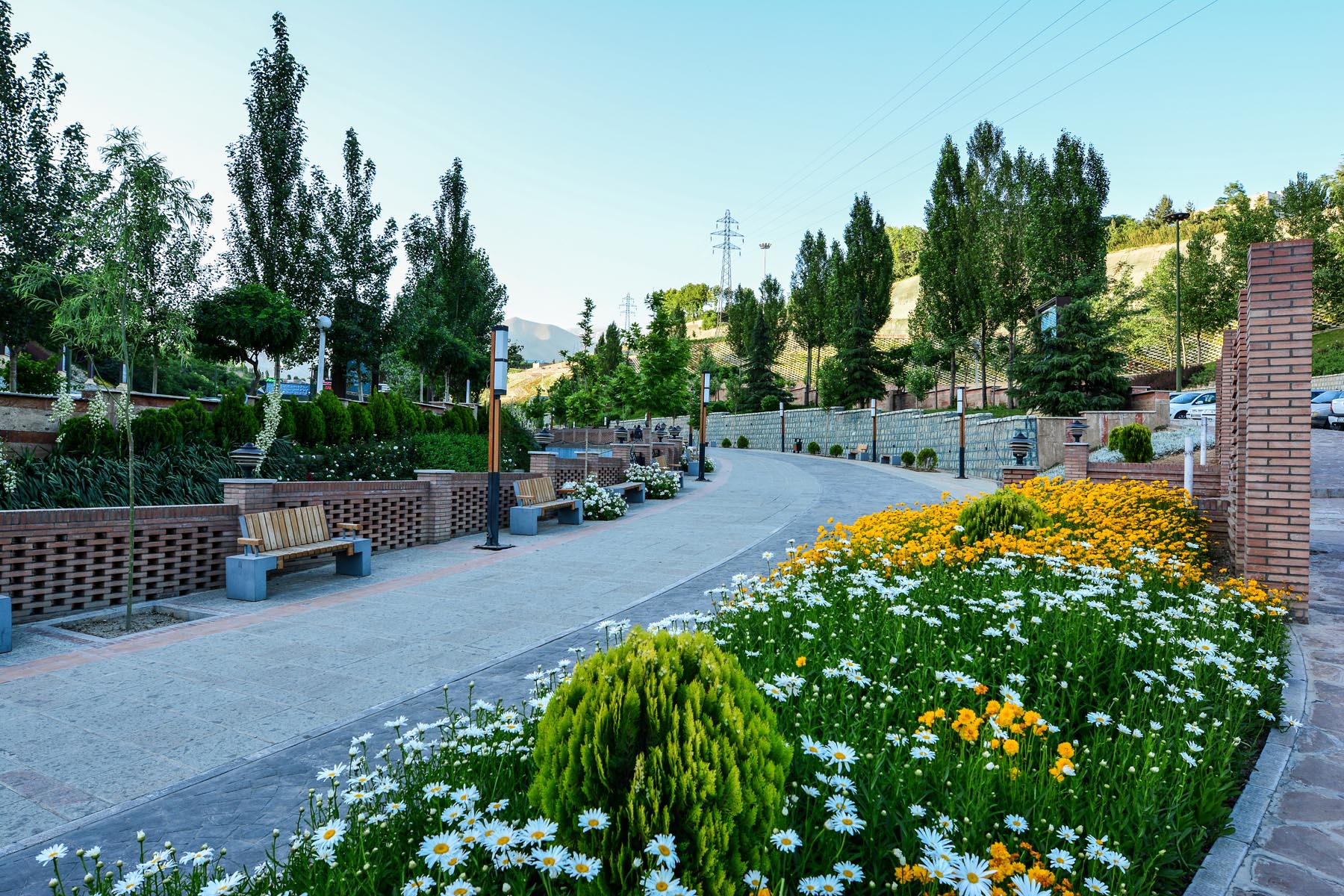
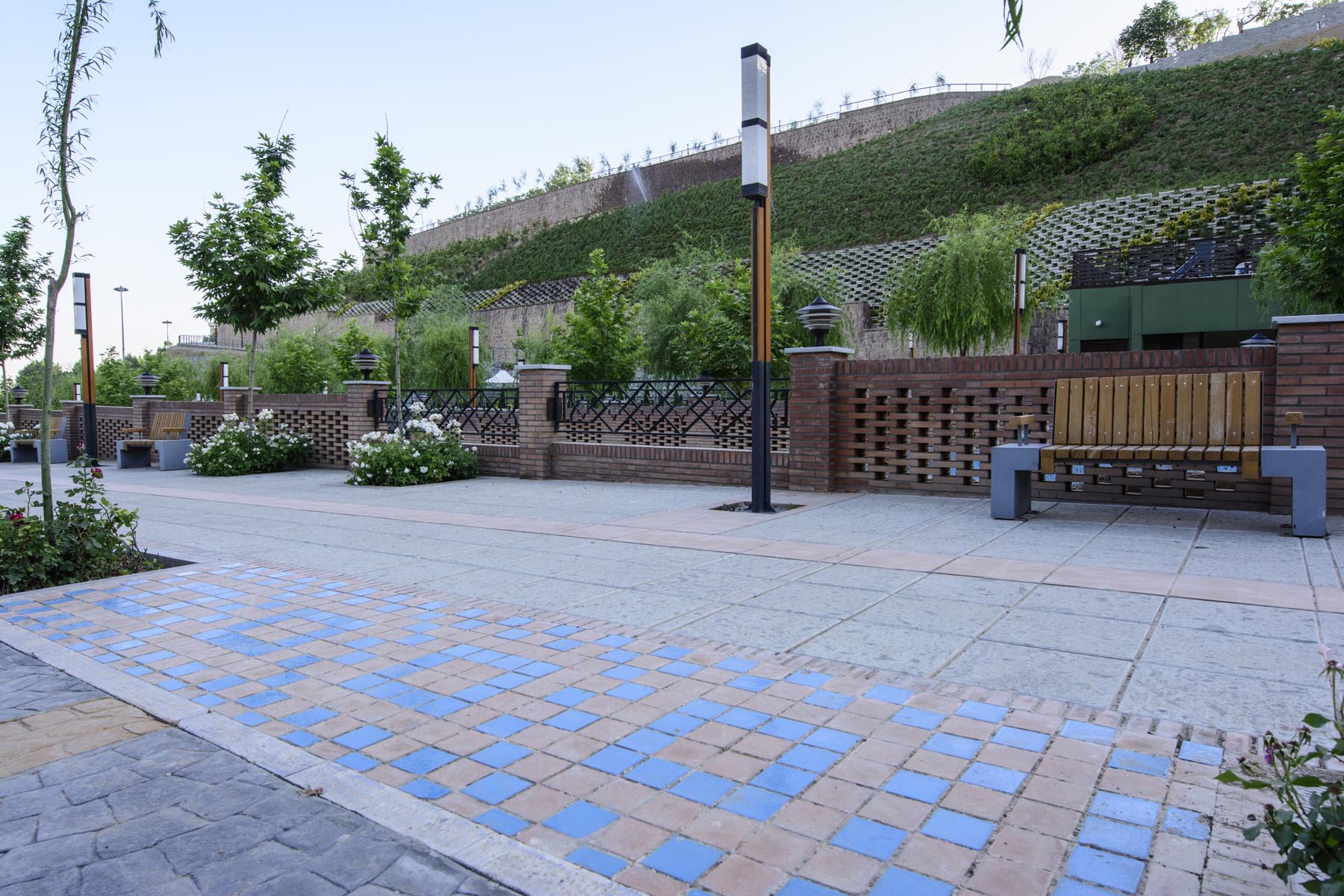
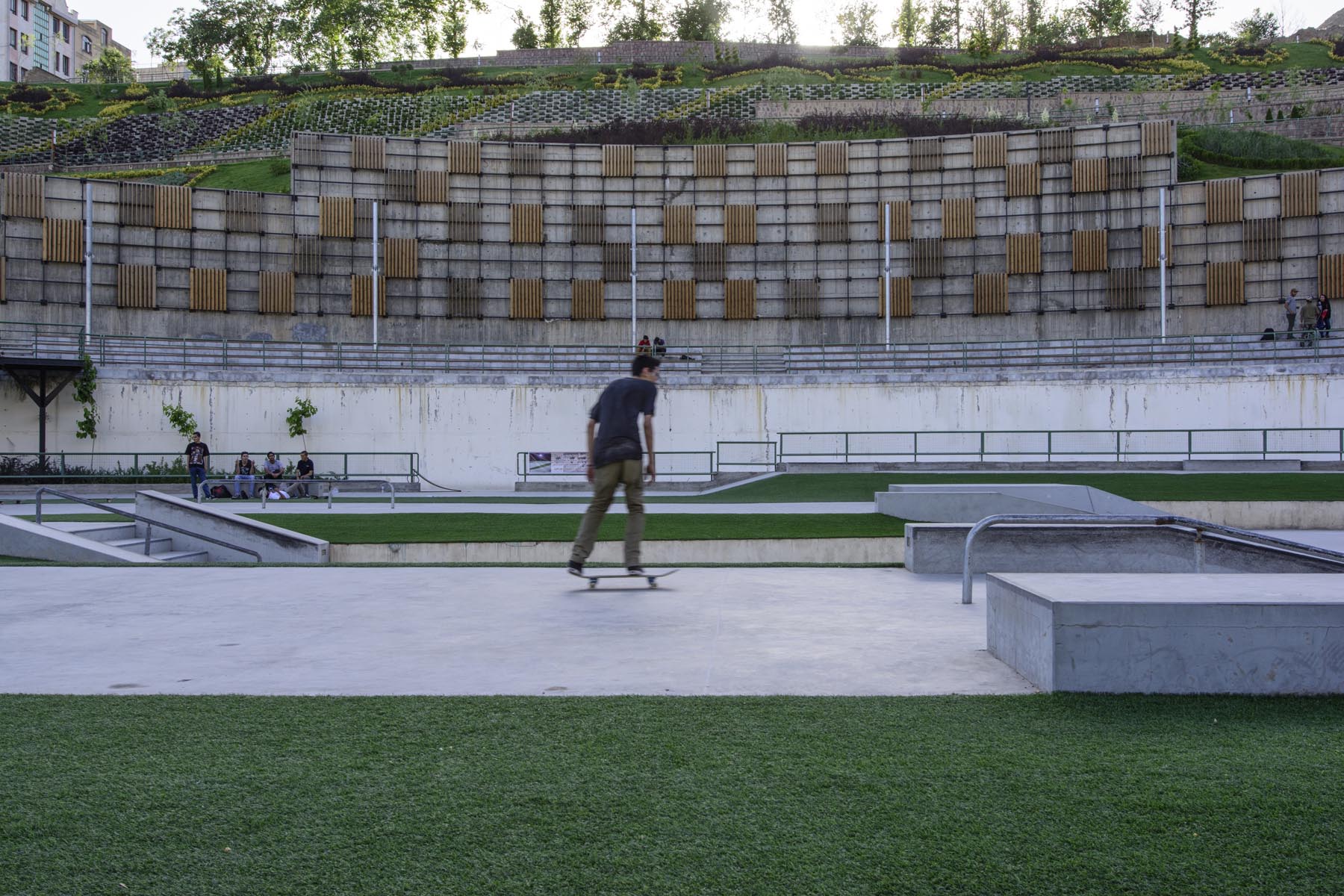
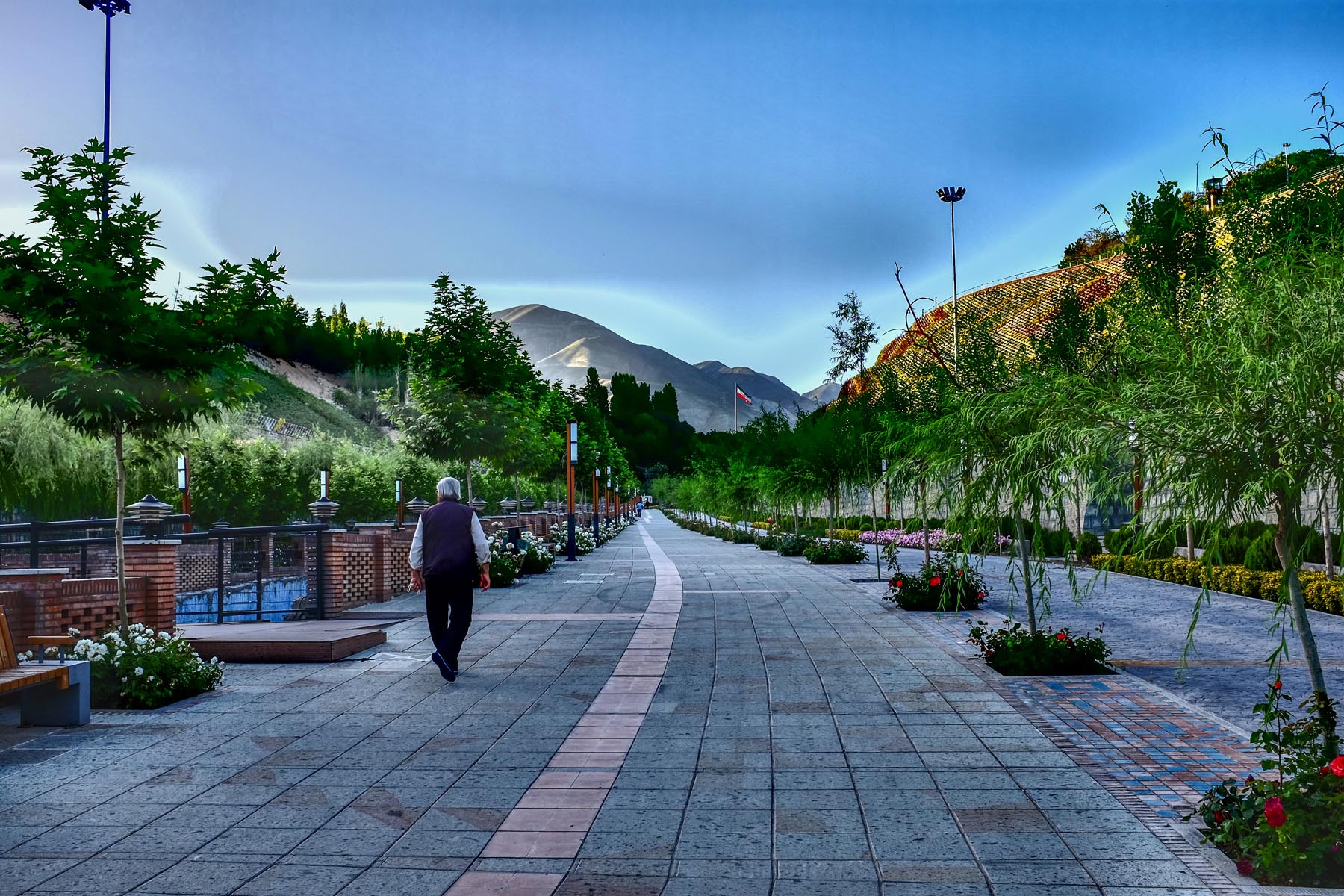
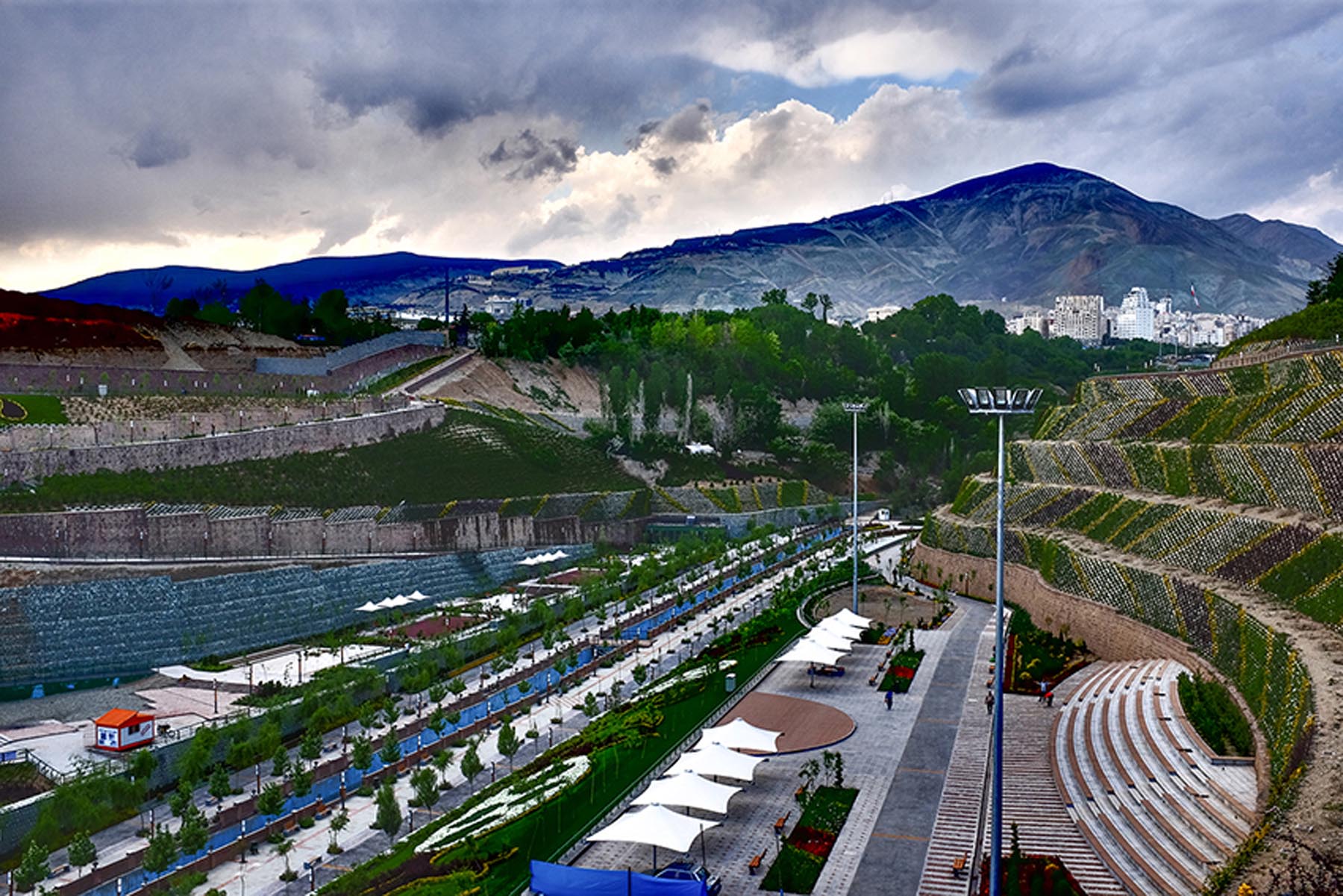
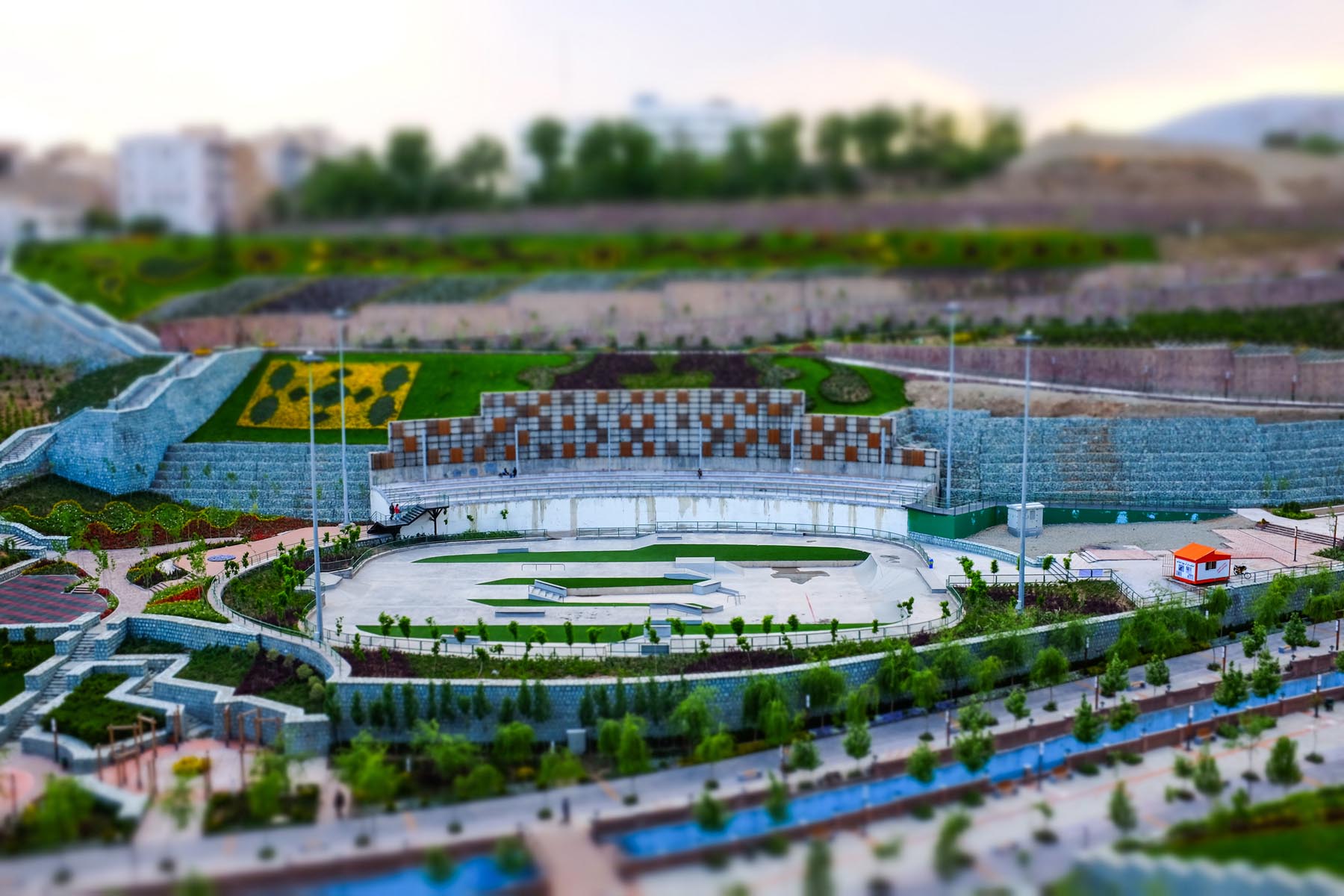
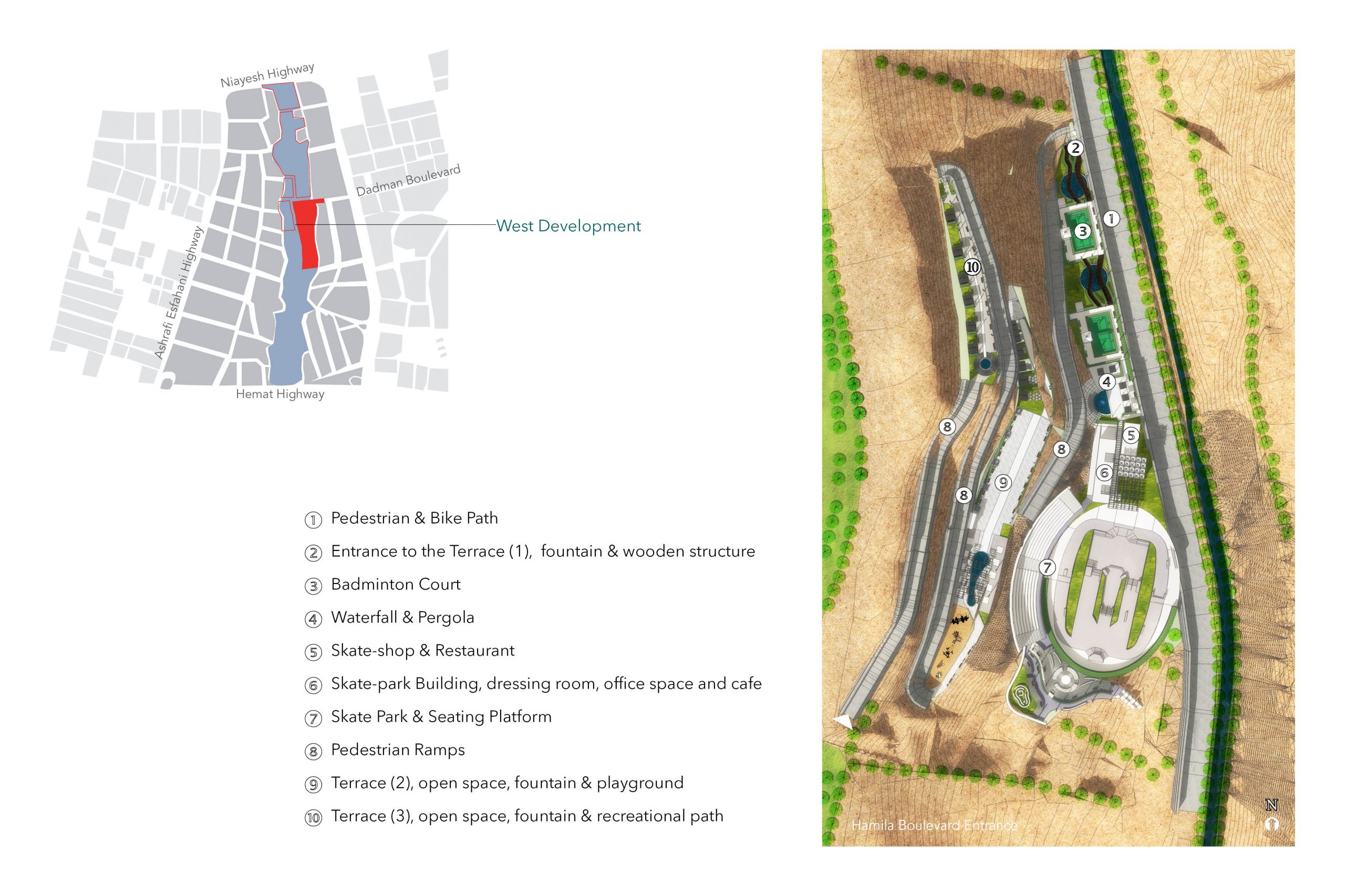
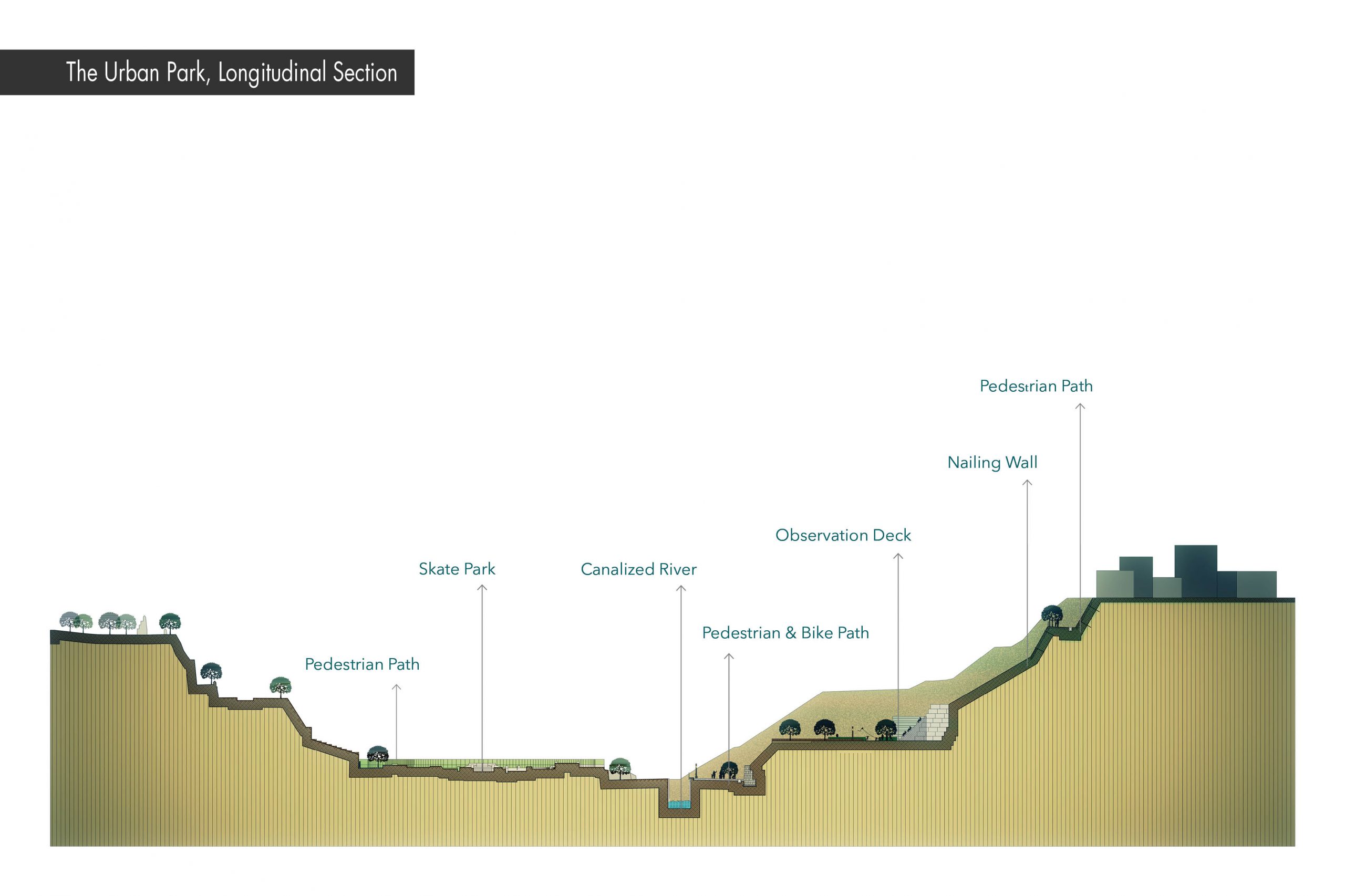
Nahj al-Balagheh Park is located on a 30-hectare land on the naturally dense green texture of northern Tehran. In the design of this park, as a transition from natural space to man-made space, four development zones have been considered: Eastern development with an area of ​​10 hectares, located between Eyvanak Boulevard and Niroo Research Institute, Western Development (Skate Park) 4 hectares at the end of Hamila Boulevard, 3 hectares of the Art Garden located between the western development and Ain Ali and Zeinali Imamzadeh, and finally a 4 hectares rock climbing park in the south of Niayesh Highway.


Farahzad River-Valley Restoration and Nahjolbalagheh Park Design and Development


Tehran’s rivers have a great potential for eradicating the damaging and problematic boundaries made for social and environmental realms, by consolidating Tehran’s spatial structure, connecting neighborhoods and creating meeting places for social, cultural and environmental event. In this regard, NESHA developed Farahzad River-Valley Restoration and Nahjolbalagheh Park Design and Development project. Some of the important results of this project are:

  • Improved flood management of Farahzad river using more natural processes
  • Reduced likelihood of negative impacts caused by climate change through increased ecosystem resilience
  • Reconnecting people to the natural environment through creating public spaces in Farahzad river-valley and Nahjolbalagheh park
  • Better access for recreation and improved well-being

مسیر روددره فرحزاد یک محور طبیعی شمال به جنوب است که با طول تقریبی ۱۰ کیلومتر از شمال دره فرحزاد تا میدان صادقیه امتداد می‌یابد. در سال ۱۳۹۲، با توجه به وجود مشکلات محیطی و اجتماعی بافت هم‌پیوند ایـن مسـیر، از جمله گسست بافت شهری، کمبود فضاهای باز برای تعاملات اجتماعی، کیفیت پایین آب، کمبود ساختار فضایی سبز و ساخت و ساز در بستر رودخانه، طرح جامع روددره فرحزاد و طراحی بوستان نهج‌البلاغه تدوین شد.

در طرح جامع روددره فرحزاد، برای اتصال مناطق متروکه در حوزه این روددره به شهر،حوزه‌های مشخصی برای طراحی تدوین و سکانس‌بندی شدند. این حوزه‌هاعبارتند از: بوستان نهج‌البلاغـه (حدفاصل بزرگراه نیایش و بلوار ایوانک)، بوستان ورزشی (حدفاصل بزرگراه حکیم و بلوار مرزداران) و بوستان فرهنگ (حدفاصل بلوار مرزداران و بزرگراه جلال آل احمد).

بوستان نهج‌البلاغه در زمینی به مساحت ۳۰ هکتار، در ادامه بافت طبیعی و سبز متراکم شمال تهران واقع شده‌است. در طراحی این بوستان، به عنوان محدوده گذار از فضای طبیعی به فضای انسان‌ساخت، چهار منطقه توسعه در نظر گرفته شده‌است: توسعه شرقی به مساحت ۱۰هکتار واقع در حد فاصل بلوار ایوانک و موسسه تحقیقات نیرو، توسعه غربی (پارک اسکیت) به مساحت ۴ هکتار در انتهای بلوار همیلا، باغ هنر به مساحت ۳ هکتار واقع در حد فاصل توسعه غربی و امام‌زاده عینعلی و زینعلی و در نهایت پارک صخره‌نوردی به مساحت ۴ هکتار در جنوب اتوبان نیایش.
Development & Restoration of Tehran Former Military Airport (Ghale Morghi)

Development & Restoration of Tehran Former Military Airport (Ghale Morghi)

Project Info
Year:2012
Type:Commission
Program:Strategic Plan
Client:Tehran Municipality
Joint Venture Company:Fazaye Mozun Mehr
Lead Partner:Negin Shahr Ayandah
Size:300 hectares
Location:Tehran, Iran
Status:Completed
Partner in Charge:Hamidreza Mousavi, Fariborz Dolat Abadi
Steering Committee:Hamidreza Mousavi, Fariborz Dolat Abadi, Shadi Azizi
Project Management:Shadi Azizi
Project Coordination:Farnaz Farshad
Design Team: Farnaz Frashad, Mohammadmahdi Zanjanian, Mojtaba Safdarnejad, Arezoo Khamesi, Mahan Mehrvarz, Alireza Delpazir, Shadnaz Azizi
Social Studies:Marjan Shojaie, Mohammad Ameli
Legal Studies:Mojtaba Safdarnejad, Samadi
Traffic Studies:Hasan Khaksar
Creative Direction:Mohammadmahdi Zanjanian
Presentation:Masoumeh Hosseinzadeh, Shiva Ashrafi, Niloufar Soudmand

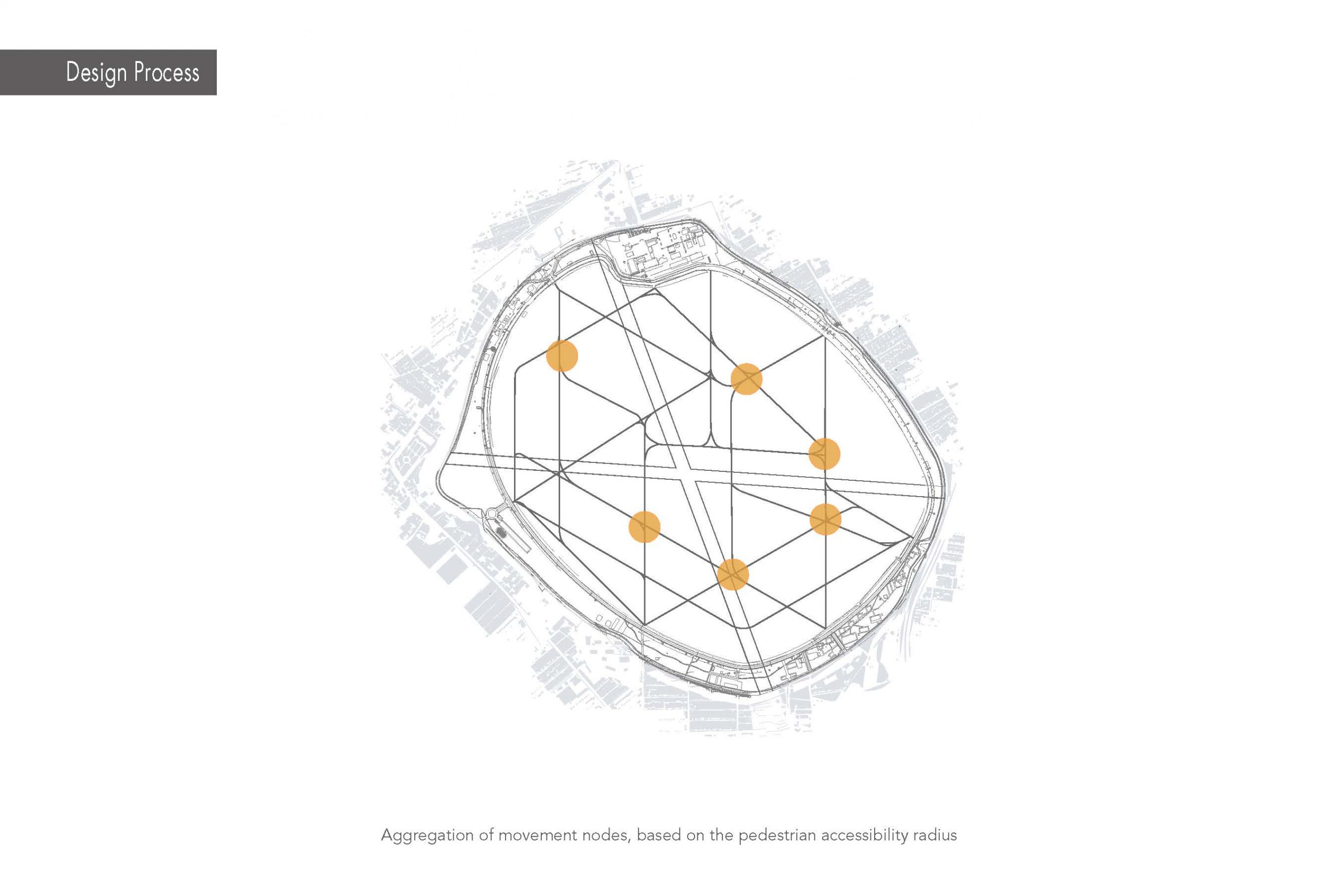
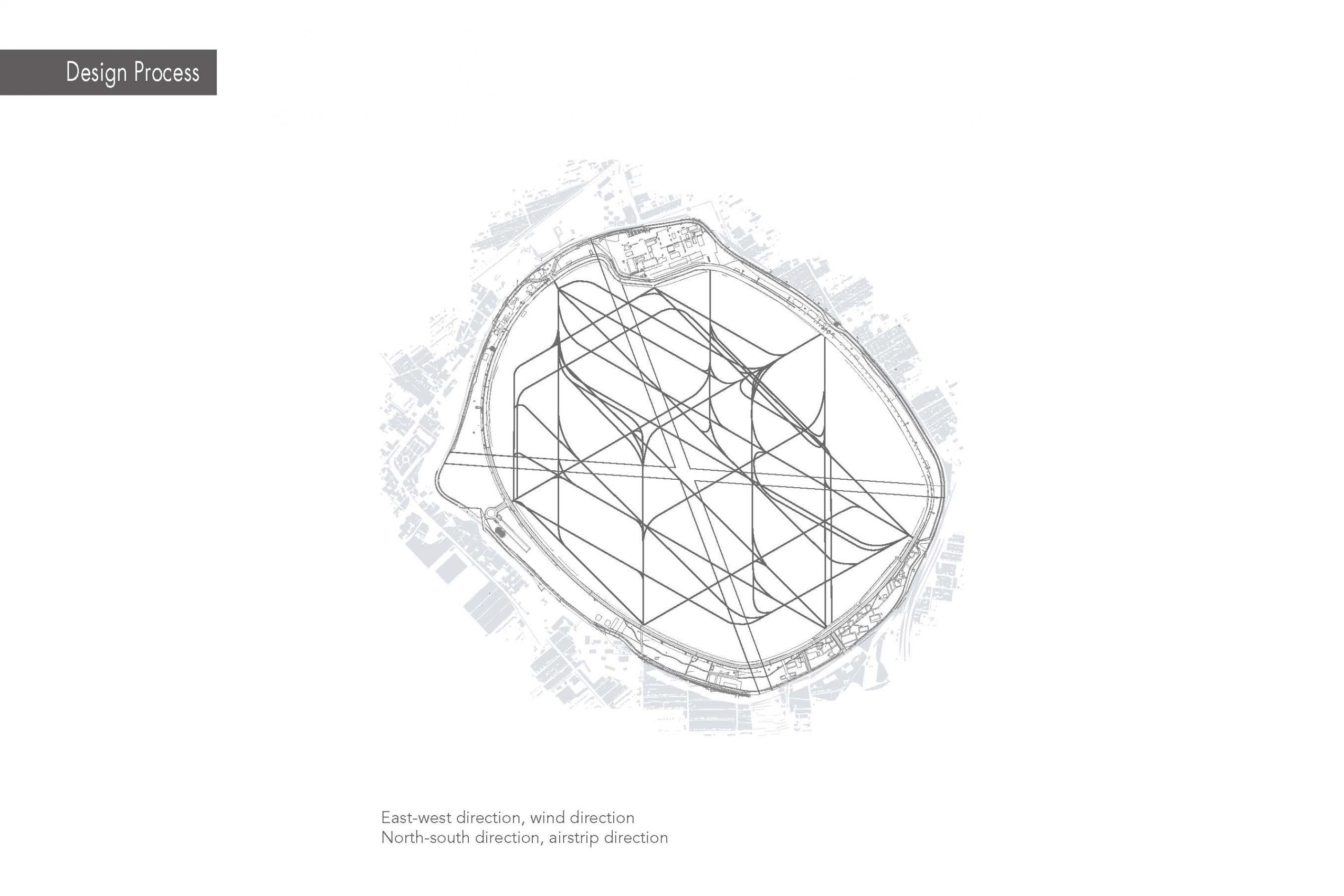
Immediate land lot of Velayat Park has an area of approximately 221 hectares. This lot is a section of a bigger land lot with an area of approximately 291 hectares which formerly belonged to Ghale Morghy barrack and before that to an airport with the same name and is located in the northern parts of region 19 of the 22 regions of Tehran. This lot has a roughly ellipse shape with the major diameter of 2140 meters in the northwest-southeast direction and the minor diameter of 1680 meters in the northeast-southwest direction. The development and rehabilitation plan of this lot in the agenda of this project is, in reality, the second phase of the development plan of the area which after the removal of the barrack’s fence was carried out in the initial establishment of parts of this lot for leisure and recreational spaces in connection with the surrounding texture.


The administration’s policies in the Third Plan of Economic, Social, and Cultural Developments of the Islamic Republic of Iran provided a suitable foundation for the city’s recapturing of those lots which in the past were in the hands of the military and as a result were for years inevitably left out of the urban planning. Of these examples are Ghale Morghy land lots which in 1928 were established as the first airport in Iran but in the later years were handed to the military and police force and were in use for military activities.


Tehran Municipality in 2009 set to buy these lots and after many negotiations achieved at first a 70% ownership and eventually the full ownership of the 291 hectares of these lots in 2010 in an agreement between the military and Tehran Municipality.In the next step, in order to rehabilitate and set the stage for the return and reconnection of these lots with the city texture, the Municipality vegetated the outer ring of this lot with an area of 65 hectares. Design and supervision with a short-term view which was handed to Atek Engineering Consultants in a contract in late 2010 included the equipping of the outer ring with vegetation, urban furniture and facilitating this area for the presence and movement of pedestrians and was carried out in three months.


Tehran Municipality, with regards to its effective role as a public organization and the fact that such a rare opportunity in Thran metropolis should not be wasted in short-term uses and needs, in the next step and after the first phase of the project, created a three-dimensional comprehensive plan for this lot which in October 21, 2011, was delegated to Negin Shahr Ayandeh Consulting Engineers and Fazaye Mozoun Mehr in form of three steps of development fields of studies and conceptual definition of the project, strategic planning studies and urban design, and studies and design of development organization of the lots.

اراضــی بلافصــل بوســتان ولایــت قطعــه زمینــی بــه مســاحت تقریبــی ۲۲۱ هکتــار اســت. ایــن اراضــی بخشــی از قطعــه زمــــین حــدودا ۲۹۱ هکتــاری اســت کــه ســابقا بــه پـــادگان قلعــه مرغــی و پیش‌تــر نیــز بــه فرودگاهــی بــا همیــن نــام اختصــاص داشــته و در شــمال منطقــه ۱۹ از مناطــق ۲۲گانــه شــهر تهــران مســتقر اســت. شـکل ایـن اراضــی تقریبــا بیضــی و قطــر بــزرگ آن بــه طــول ۲۱۴۰ متــر در جهــت شــمال غــرب – جنــوب شــرق و امتــداد قطــر کـــوچک آن بــه طــول ۱۶۸۰ متــر در جهــت شــمال شــرق – جنــوب غــرب اســت.

طــرح توســعه و ســاماندهی ایــن اراضــی کــه در دســتورکار پــروژه‌ حاضــر قــرار دارد، در حقیقــت فــاز دوم طــرح توســعه محــدوده بــه شــمار می‌آیــد کــه پـــس از برچیــدن حصــار پــادگان و راه‌انــدازی اولیــه بخشــی از ایـن اراضــی بــه عنــوان فضــای فراغــت و تفــرج بـــرای ایجــاد پیونــد بــا بافــت اطــراف صــورت گرفت.

سیاســتگذاری‌هــای دولــت در برنامــه‌ی ســوم توســعه‌ی اقتصــادی، اجتماعــی و فرهنگــی جمهــوری اسـلامی ایـران بســتر مناســبی بــرای تملــک دوبــاره‌ی شــهر بــر آن دســته از اراضــی فراهــم‌آورد کــه پیش‌تر در تصــرف ارتــش و ناگزیــر ســال‌ها از دامنــه‌ی برنامــه ریــزی شــهری بــه دور مانــده بــود. اراضــی قلعــه مرغــی نیــز کــه در ســال ۱۳۰۷ بــه عنــوان نخســتین فــرودگاه ایــران احــداث شــده بــود امــا در ســال‌های ســال‌های بعــد تحــت اختیــار ارتــش و نیــروی انتظامــی و بــه منظــور فعالیت‌هــای نظامــی مــورد اســتفاده قــرار گرفتــه بــود از ایــن جملــه‌ اســت. شــهرداری تهــران در ســال ۱۳۸۸ و از محــل اعتبــارات شــهرداری اقــدام بــه خریـداری ایـن اراضــی نمــود و پــس از مذاکــرات متعــدد و انجــام توافقــات ابتــدا مالکیــت ۷۰ درصــد و ســپس مالکیــت کامــل ایـن اراضــی بــه وســعت ۲۹۱ هکتــار در ســال ۱۳۸۹ طــی توافقنامــه‌ای از ارتــش بــه شــهرداری تهــران منتقــل شــد.در گام بعــد، شــهرداری بــه منظــور ســاماندهی و مناســب ســازی ایــن اراضــی بــرای بازگشــت و پیونــد دوبــاره بــا بافــت شــهر اقــدام بــه ســبزکردن حلقــه‌ی پیرامونــی ایـن اراضــی بــه مســاحت ۶۵ هکتــار نمــود. طراحــی و نظــارت بــا افــق کوتــاه مــدت کــه طــی قــراردادی در ماه‌هــای پایانــی ســال ۱۳۸۹ بــه مهندســان مشــاور آتــک ابـلاغ شــد و ظــرف ســه مــاه بــه انجــام رســید، شــامل تجهیــز حلقــه‌ی پیرامونــی بــا پوشــش گیاهــی، مبلمــان شــهری و مناســب ســازی ایـن حلقــه بــرای حضــور و حرکــت پیــاده بــود. شــهرداری تهــران بــا عنایــت بــه نقــش مؤثــر خــود بــه عنــوان یــک نهــاد عمومــی و همچنیــن ایــن مهــم کــه چنیــن فرصــت نابــی در کلان شــهر تهــران نمی‌بایســت صــرف پاســخ بــه نیازهــا و اســتفاده‌های کوتــاه مــدت شــود، در مرحلــه‌ی بعــد و پــس از افتتــاح فــاز اول پــروژه، اقــدام بــه تهیــه‌ی طــرح جامــع ســه بعــدی بــرای ایــن اراضــی نمــود کــه در تاریــخ ۱۳۹۰/۰۸/۰۹ ایــن پــروژه بــه مهندســان مشــاور نگیــن شــهر آینــده و فضــای مــوزون مهــر در قالــب ســه گام مطالعــات گرایشــات توســعه و تعریـف مفهومــی پــروژه، مطالعــات برنامــه‌ی راهبــردی و طراحــی شــهری و مطالعــات و طراحــی ســازمان توســعه‌ی اراضــی ابـلاغ شــد.

Darband and Darabad Rivers Restoration: A strategic approach

Darband and Darabad Rivers Restoration: A strategic approach

Project Info
Year:2015
Type:Commission
Program:Strategic Plan
Client:Tehran Engineering and Technical Consulting Organization (TETCO)
Joint Venture Company:Sazeh Pardazi Iran
Lead Partner:Negin Shahr Ayandah
Size:11 Kms
Location:Tehran, Iran
Status:Completed
Partner in Charge:Mahmood Afsoos, Hamidreza Mousavi
Project Management:Shadi Azizi
Project Coordination:Farnaz Farshad, Mehdi Mosaferi, Nima Vahedi
Social Studies:Marjan Shojaie, Mohammad Ameli
River Ecological Studies:Shadnaz Azizi, Yalda Seirafi
Urban Planning/ Design:Farnaz Farshad, Arezoo Khamesi, Mojtaba Safdarnejad, Yalda Seirafi, Shahin Shahriari, Zahra Fathi
Traffic Studies:Hasan Khaksar
GIS:Anahita kazemzadeh, Niloofar Ahmari, Hesam MirRahimi
Project Control:Mahsa MirSamadi, Javad Hashemi
Creative DirectionMohammadmahdi Zanjanian
Presentation:Masoumeh Hosseinzadeh, Niloufar Soudmand
Photography:Hesam MirRahimi, Farnaz Farshad, Arezoo Khamesi

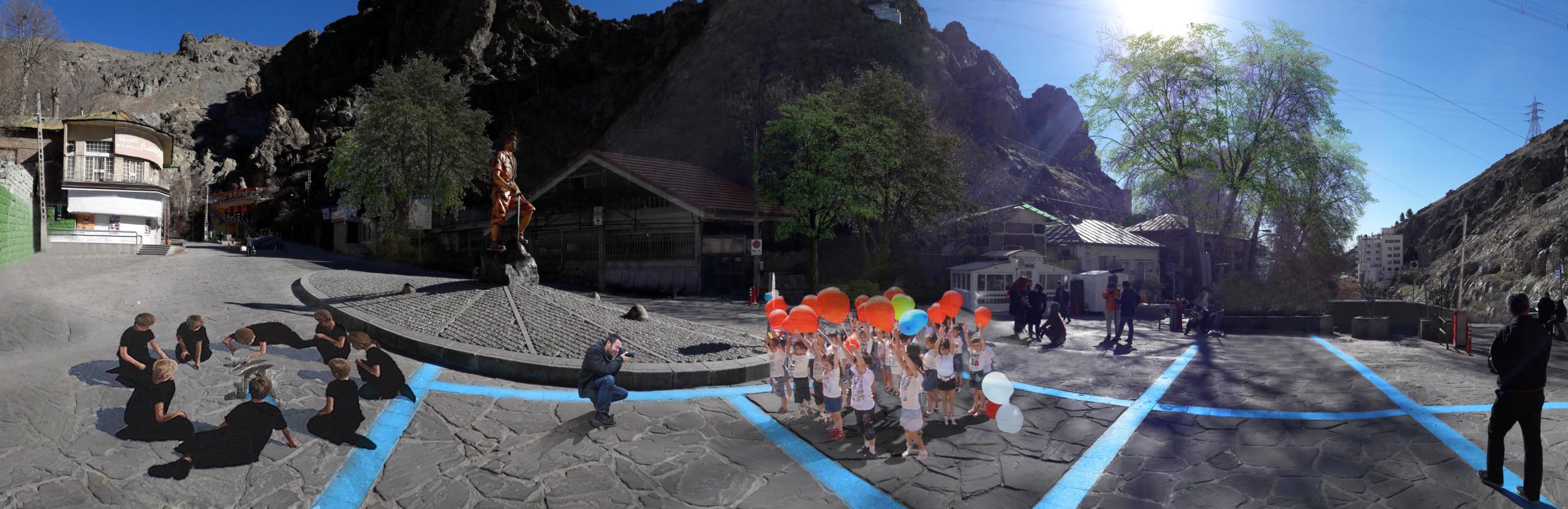
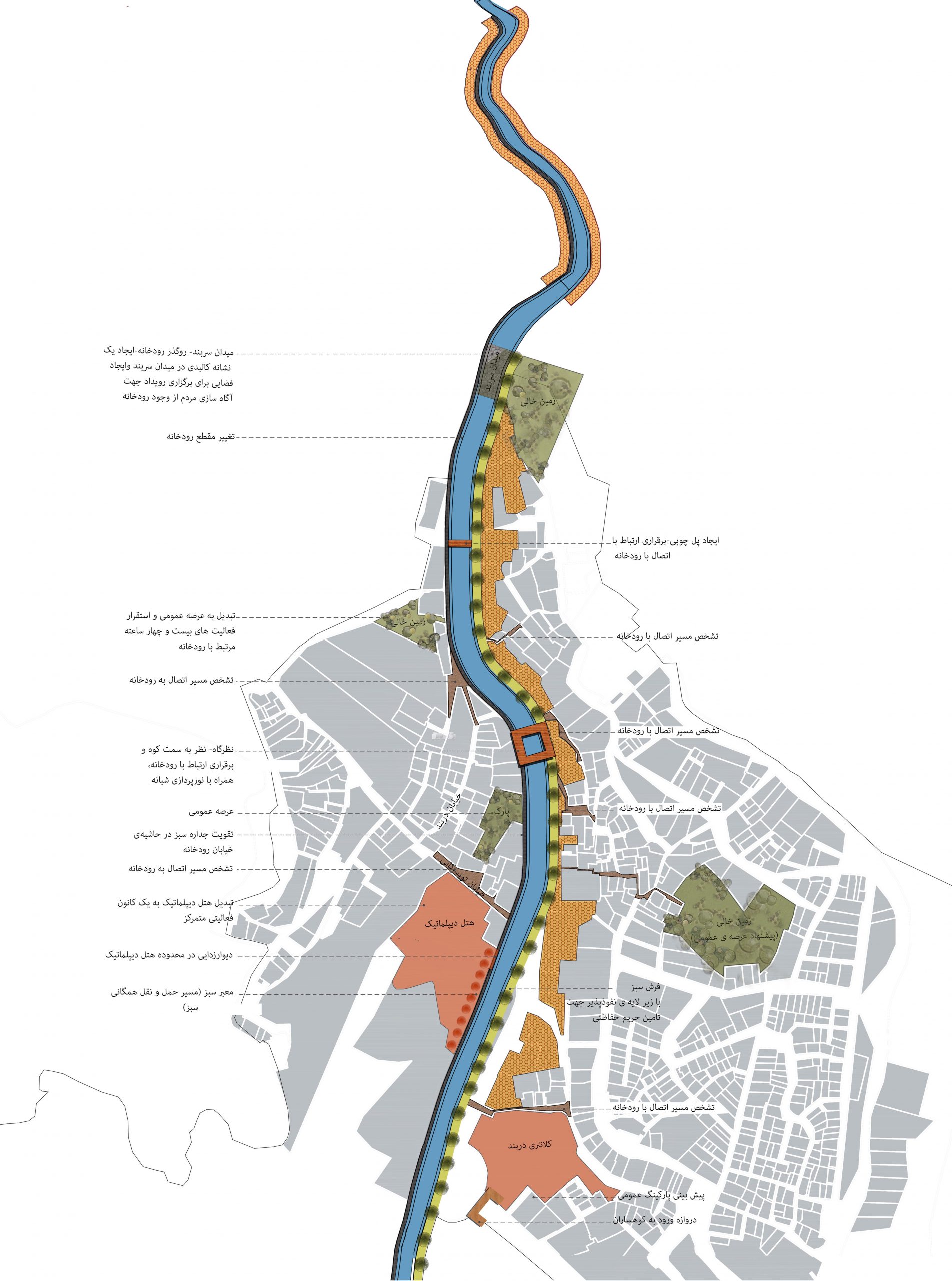
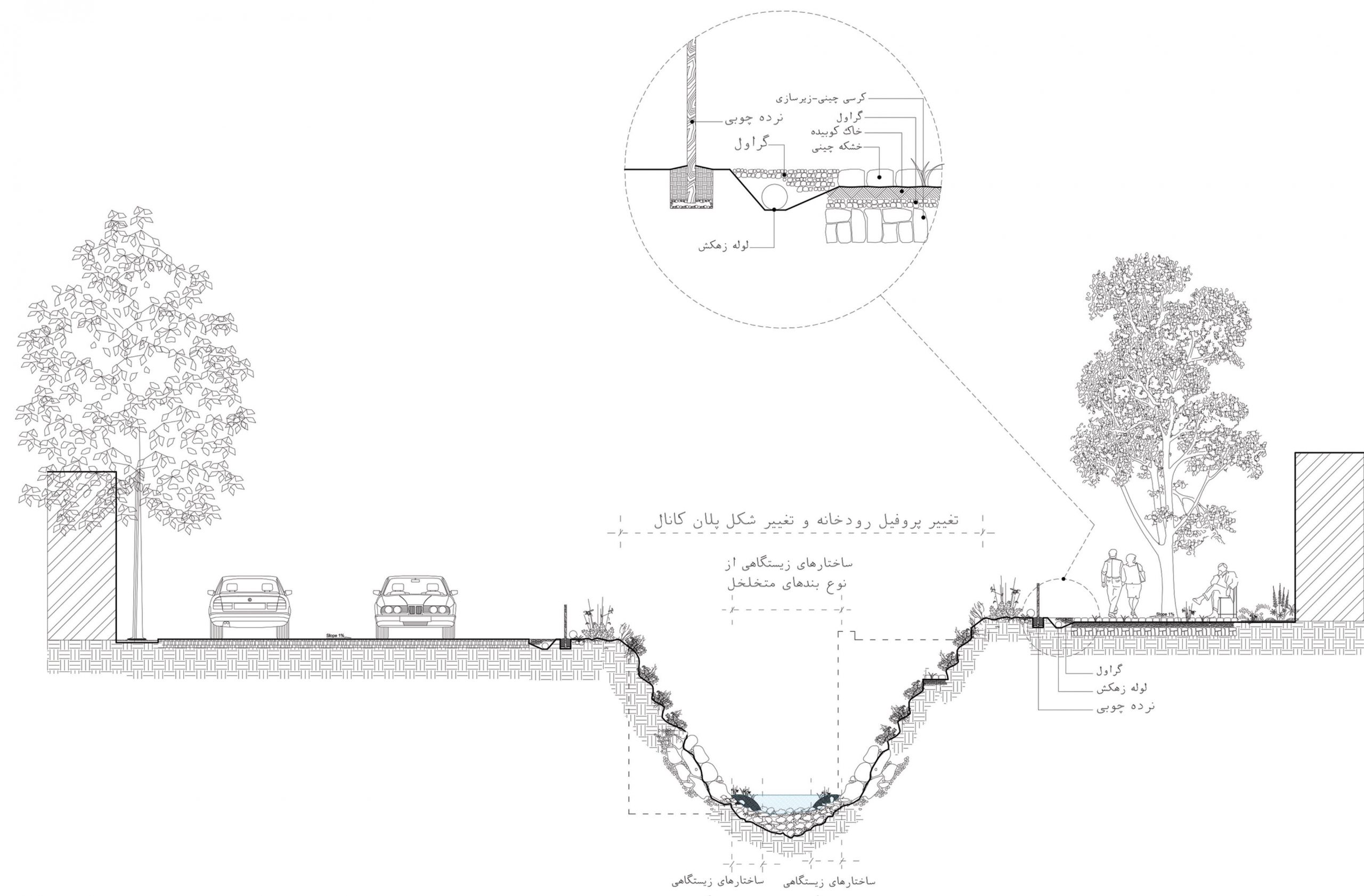
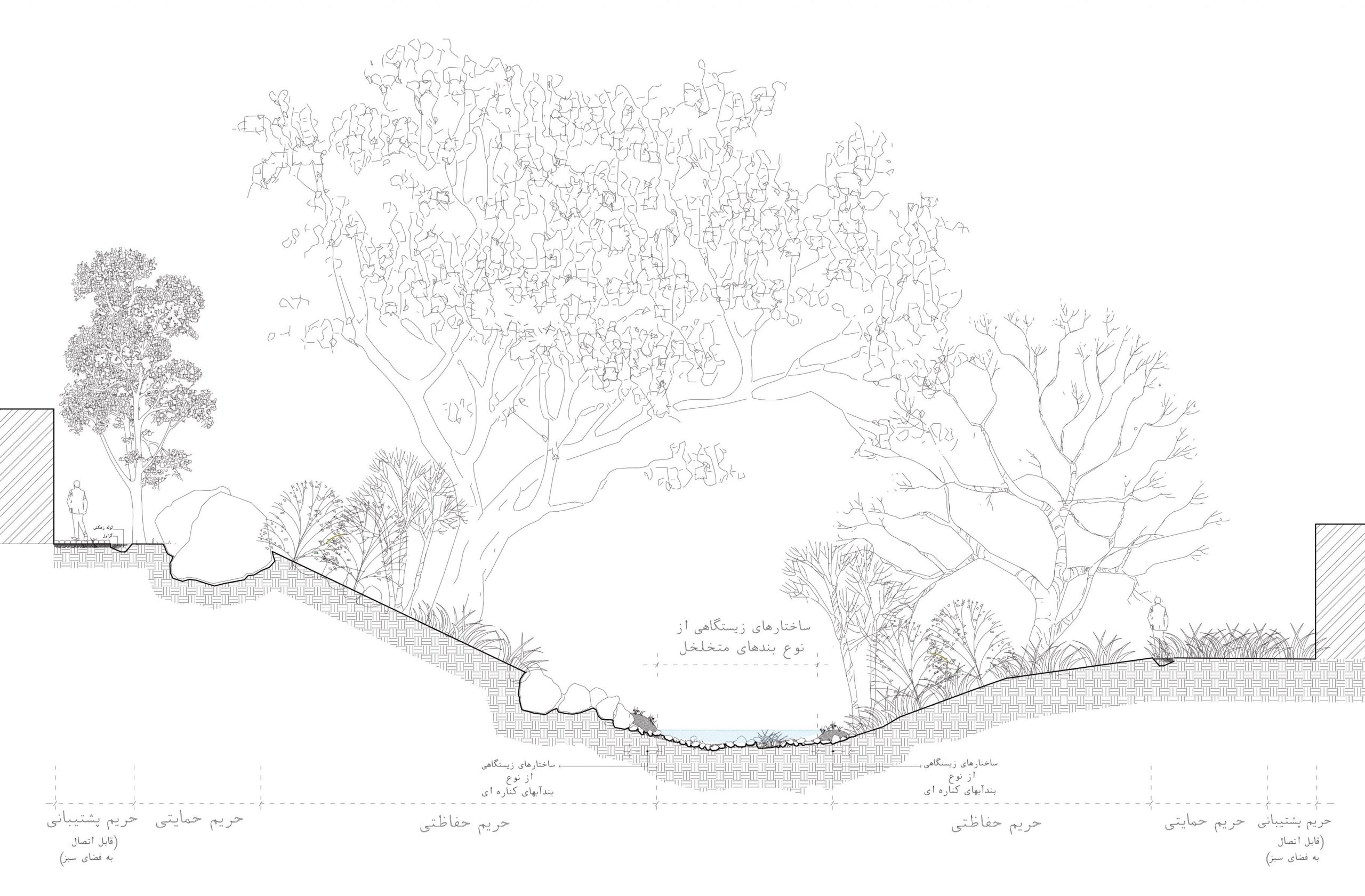
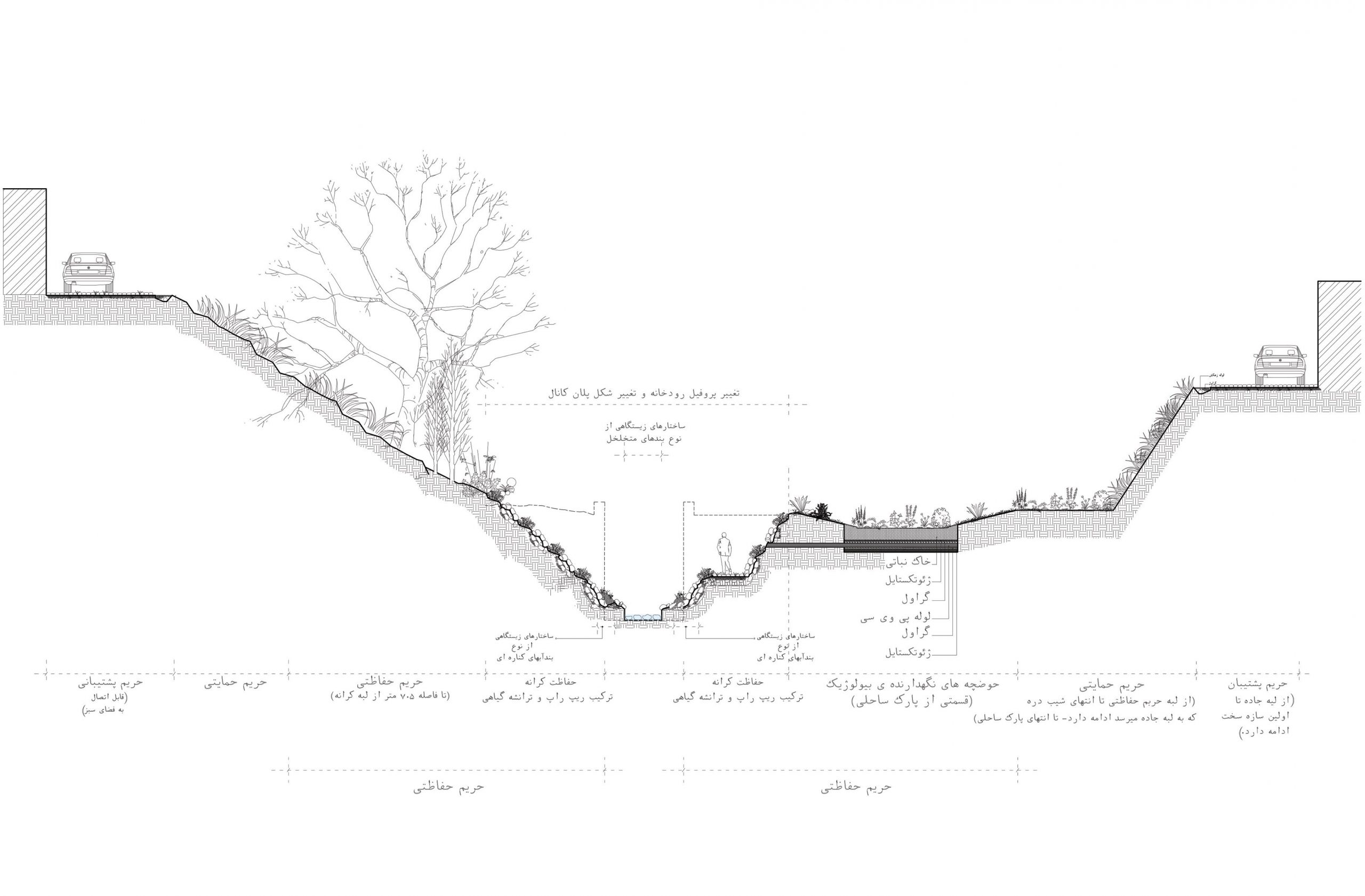
Rivers of Tehran, especially Darband and DarAbad have a double-edged essence. From one perspective, they hardly have a place in people’s image of the city , probably because of the simple fact that historically, the city’s water supply was based on a network of qanats. Hence, long before turning into canals, these rives were  considerable barriers for development instead of a vital source of life. From another perspective, they are a significant asset in regards to current environmental risks resulting from climate change.

In spite of the importance of these natural resources, inharmonious development of the cities, not basically embracing the natural environment potentials has disrupted the supposed built-natural balance. Gradual receding of urban rivers surrendering the natural setting to artificial concrete structures is an eyesore yet familiar example. Past decades uncoordinated conducts and the destructive effects of  simply eliminating rivers  from development process have  deprived both citizens and city management from its beneficiary so long. The trend led to even more reductive approach changing the canals to an unauthorized sewage network.  Whereas urban rivers are believed of the ability to play an influential role in rekindling the balance between built urban spaces and nature.

Tehran’s Rivers and Qanats Restoration is a project risen from problems stated above and aims to change current approaches with a hope to revive natural organs of Tehran. This plan was delegated to joint ventures including a River Engineering and an Urban studies consultant in form of three coordinated projects for the seven rivers of Tehran and was financed by the Engineering and Development Organization of the City of Tehran (EDOCT).

علی­رغم اهميت اين منبع طبيعی، گسترش ناموزون شهرها بدون بهره­‌گيری از توان­‌های محيطی طبيعی، تعادل ميان طبيعت و شهر را مختل نموده که از آن جمله می‌­توان به حذف تدريجی رودخانه­‌های شهری از بستر شهر و ايجاد سازه­‌های بتنی مصنوع به عنوان جايگزين عناصر طبيعی رودخانه اشاره نمود. به عبارتی اقدامات و دستکاری‌های ناهماهنگ انجام‌شده در طول ساليان متمادی و دهه­‌های گذشته و اثرات مخرب رويکرد حذف و محدودسازی رودخانه­‌ها و مجاری آبی، از ديرباز باعث بروز مشکلات جدی برای شهروندان و مديريت شهری شده‌است. اين روند تا جايی ادامه يافته که از مجاری آبی برای تخليه و هدايت فاضلاب شهری استفاده می­گردد. حال آن‌که رودخانه‌­های شهری می‌توانند نقش موثری در جهت تعادل بخشی ميان فضای انسان ساخت شهر و طبيعت و همچنین ارتباط انسان با طبيعت ايفا نمايند.
طرح احیا و سامان‌دهی رودخانه‌ها و قنوات شهر تهران پروژه‌ای است که از بطن همین مسائل و مشکلات و با هدف تغییر رویکرد حاکم و احیا اندام‌های طبیعی شهر تهران تعریف شد. این طرح در قالب سه پروژه هماهنگ برای رودخانه‌های هفت‌گانه تهران در سازمان مشاور فنی و مهندسی شهر تهران تامین بودجه و برای انجام مطالعات و تدوین طرح به گروه‌های مشارکت شامل یک مشاور رودخانه و یک مشاور معمار – شهرساز سپرده شد.

Abo Atash Entrance Plaza and Pedestrian Bridge Design

Ab-o-Atash Entrance Plaza and Pedestrian Bridge Design

Project Info
Year:
Type:
Program:
Client:
Size:
Location:
Status:
2012
Commission
Public Space
Abbas-abad Lands Renovation Company
3000 m²
Tehran, Iran
Constructed
Partner in Charge:Ali Naghavi Namini
Project Management:Hamidreza Mousavi
Design Team:Farshad Kezerouni, Nastaran Esmailbeygi, Saeed Saraie
Technical Design:Abbas Fotouhi, Mohammadtaghi Dibaee
Environmental Design:Fataneh Fatahi
Mechanical & Electrical Engineering:Kiumars Alamshenas
Presentation:Niloufar Soudmand

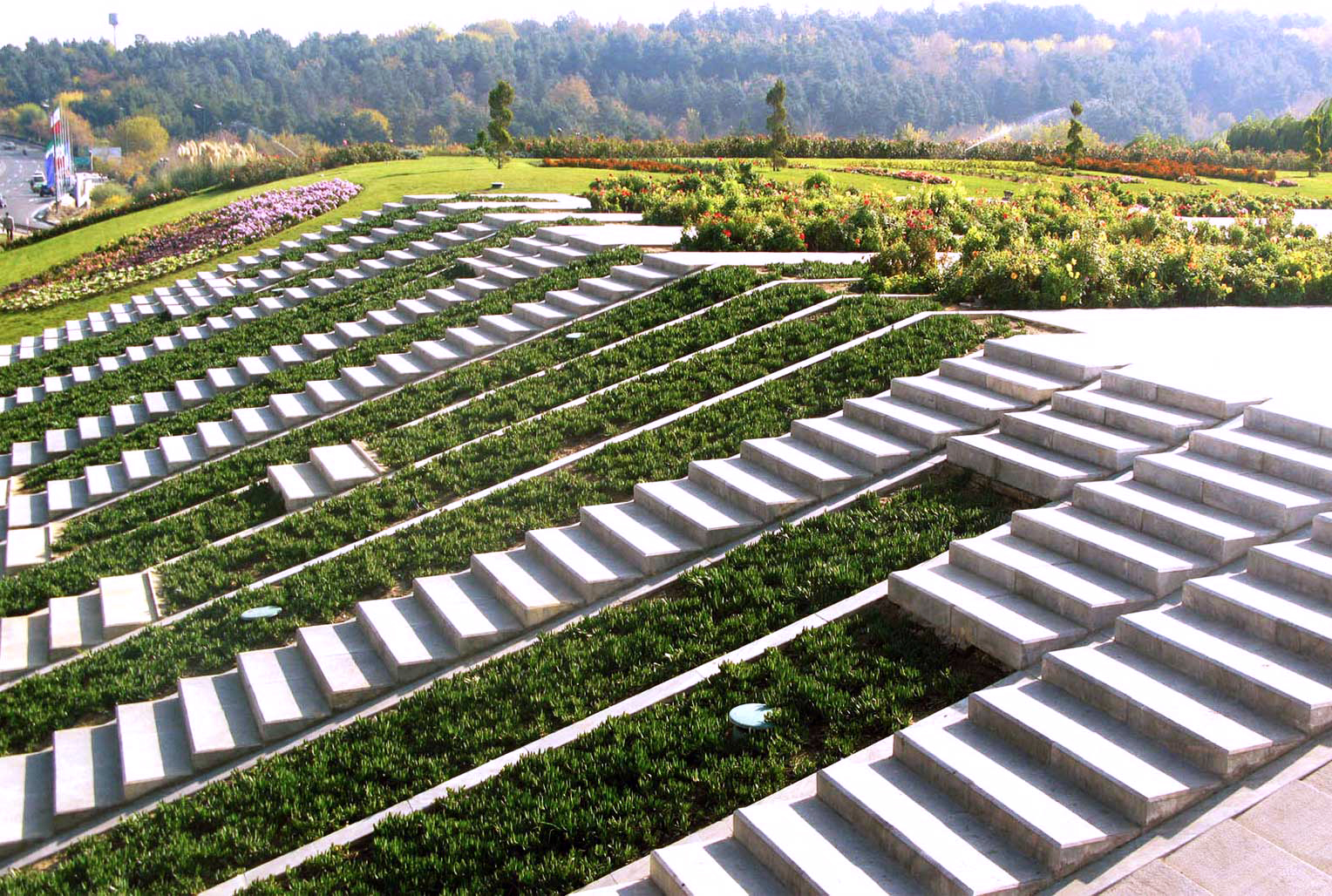
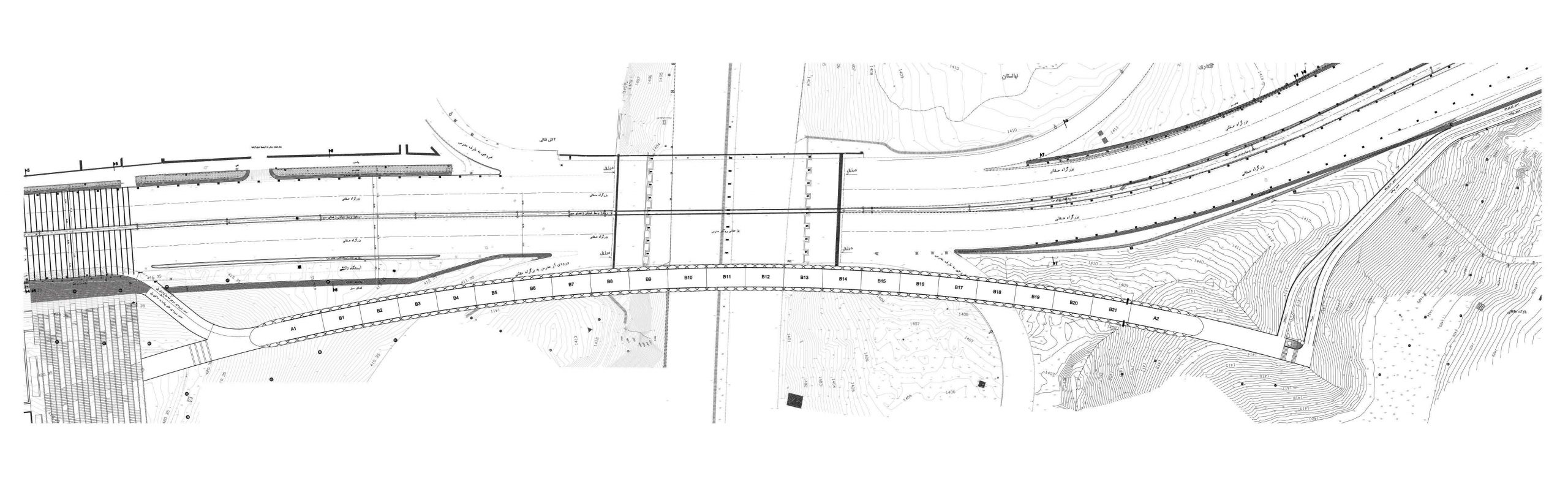
Ab-o-Atash Entrance Plaza is located in the north entrance of Ab-o-Atash Park and adjacent to the Haghani Highway. This entrance is comprised of stairs, plaza, fountains and ramps with the area of 3000 square meters. Sustainable and holistic solutions with regards to the multidisciplinary methods are the main project’s approaches which provide the opportunity for human-oriented green urban development. In other words, this plaza was designed and built to provide solutions for sustainable development in urban open spaces. For this reason the priority is given to soft-scape and natural landscape and thus the natural topography has remained intact.

The connection between the main plaza and the pedestrian pathway is maintained by stairs surrounded by natural context. For better accessibility, a continuous ramp connects Haghani Highway’s pedestrian path to the main plaza. Accordingly, 35% of natural area of the plaza were almost left untouched which enabled green spaces development together with the urban space development.

فضای ورودی پارک آب و آتش تهران در ورودی شمالی این پارک؛ لبه اتوبان حقانی واقع شده و شامل مجموعه‌ای از پله‌های ورودی، میدان، آب‌نما و رمپ ورودی در مساحتی به حدود ۳۰۰۰ متر مربع است.

راه‌حل‌های جامع و پایدار به گونه‌ای که با نگاه بین رشته‌ای، توسعه شهر و حضور انسان را با حفظ و احیای حوزه‌های طبیعی فراهم می‌سازد به عنوان مهم‌ترین رویکرد در طراحی این حوزه از شهر مورد توجه قرار گرفته‌است. در طراحی این میدان، وسعت فضای اجتماعی و ارتباطی در برابر وسعت فضای طبیعی مورد مطالعه قرار گرفته و سعی شده‌است که پوشش سطح طبیعی خاک با این ملاحظه که عملکرد شهری میدان را تحت شعاع قرار ندهد و به حداقل ممکن برسد. وضعیت طبیعی تپه تا حد ممکن حفظ شده‌است و ارتباط معبر با قسمت مسطح میدان از طریق پله‌های محاصره شده با بستر طبیعی امکان‌پذیر است.

برای ارتباط راحت‌تر، یک رمپ ارتباطی از میان آب‌نمای کنار میدان، سطح پیاده راه لبه اتوبان حقانی را با سطح میدان مرتبط می‌سازد. به این ترتیب حدود 35 درصد از حوزه طبیعی در محل میدان دست نخورده باقی‌مانده و توسعه فضای سبز را در کنار توسعه فضای شهری ممکن ساخته‌است.‌